In Jakarta, Indonesia, efforts to control the invasive janitor fish, locally known as ikan sapu-sapu, have intensified as authorities report capturing nearly seven tonnes of the species in a single day. The fish, scientifically identified as Hypostomus plecostomus, has turn into a growing concern for aquatic ecosystems due to its rapid reproduction and disruptive feeding habits. Originating from South America, the species was likely introduced through the aquarium trade and has since established populations in several Indonesian waterways, including rivers and canals across Jakarta.
According to recent reports from regional news outlets, Jakarta’s provincial government launched a coordinated operation targeting the removal of ikan sapu-sapu from water bodies throughout the city. The initiative, described as a synchronized effort across multiple districts, resulted in the capture of 6.98 tonnes of the fish in one day. This figure was cited by multiple local news platforms, including CNN Indonesia and Liputan6.com, referencing official statements from the Jakarta Provincial Environmental Management Agency.
The scale of the catch underscores the extent of the infestation, which officials say threatens native fish populations and alters riverbed ecosystems. Janitor fish are known for their ability to survive in low-oxygen environments and their tendency to outcompete local species for resources. Their armored bodies and lack of natural predators in Indonesian waters have allowed populations to grow unchecked, prompting concern among environmental scientists and fisheries officials.
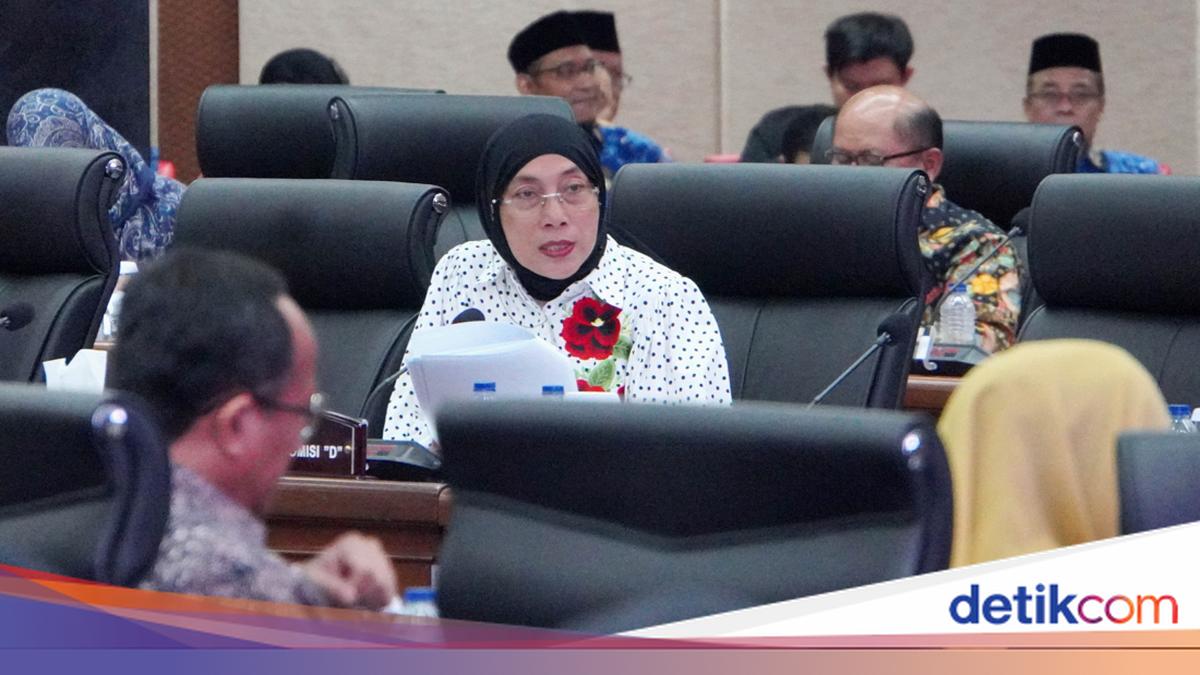
In response to the growing problem, members of the Jakarta Regional People’s Representative Council (DPRD) have begun discussing potential uses for the captured fish. During a session of Commission D, which oversees maritime affairs and fisheries, several legislators raised the possibility of processing the invasive species into food products. The suggestion aims to turn an environmental challenge into a resource opportunity, though no formal proposal or pilot program has yet been announced.
This idea was further echoed in reports from ANTARA News, which noted that some lawmakers are advocating for studies into the safety and feasibility of using ikan sapu-sapu as a source of protein in food production. Proponents argue that if properly processed, the fish could contribute to food security although reducing waste from eradication efforts. However, health experts caution that any such initiative would require rigorous testing to ensure the fish are free from contaminants accumulated in urban waterways.
Environmental agencies involved in the removal operations have emphasized that the primary goal remains ecological restoration. The Jakarta Environmental Management Agency has stated that captured fish are currently being disposed of through burial or conversion into organic fertilizer, pending further evaluation of alternative uses. Officials have not endorsed consumption without prior scientific assessment of potential health risks.
The janitor fish invasion is part of a broader pattern of aquatic invasive species affecting Southeast Asia. Similar issues have been reported in neighboring countries, where non-native fish have disrupted traditional fishing practices and biodiversity. Experts note that prevention, early detection, and rapid response are critical to managing such invasions, particularly in densely populated urban areas like Jakarta where waterways serve multiple ecological and social functions.
As of now, there is no indication of a timeline for future large-scale removal operations, though officials have suggested that monitoring will continue to assess population trends. The Jakarta Provincial Government has not released a public schedule for upcoming eradication campaigns, but environmental units confirm that routine surveillance remains active in high-risk zones.
For updates on invasive species management in Jakarta, residents and stakeholders are encouraged to consult official bulletins from the Jakarta Environmental Management Agency or visit the provincial government’s environmental affairs portal. These sources provide the most reliable information on ongoing operations, safety guidelines, and opportunities for public participation in monitoring efforts.
What do you think about using invasive species like ikan sapu-sapu as a potential food resource? Share your thoughts in the comments below and help spread awareness by sharing this article with others interested in environmental sustainability and urban ecology.
Related reading