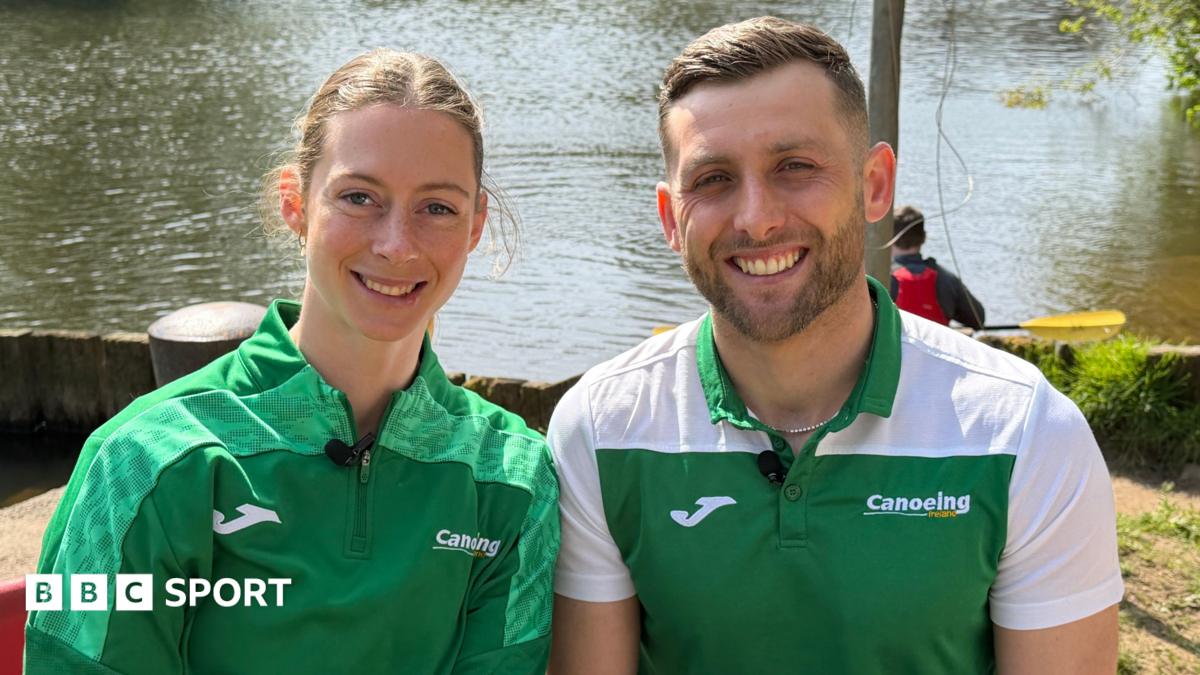
Canoe slalom athletes Jake and Georgina Cochrane are balancing their professional training with a shared long-term goal: qualifying for the 2028 Summer Olympic Games in Los Angeles. The couple, who married in 2024, are currently integrating their individual training regimens while navigating the rigorous international qualification process set by the International Canoe Federation (ICF).
As elite competitors in a discipline that demands extreme technical precision and physical endurance, the Cochranes represent a growing cohort of married athletes attempting to sustain top-tier performance levels while managing the logistical and emotional demands of the Olympic cycle. According to the International Canoe Federation, qualification for the 2028 Games requires consistent performance in World Cup events and World Championship races, where points are tallied based on final rankings in the K1 (kayak) and C1 (canoe) classes.
The Path to Los Angeles
The qualification timeline for the Los Angeles 2028 Games formally begins with the International Olympic Committee (IOC) and ICF qualification systems, which prioritize results from the 2026 and 2027 World Championship cycles. For athletes like the Cochranes, this means maintaining a year-round competition schedule that takes them across Europe and North America to secure necessary world ranking points.

Canoe slalom is a sport defined by seconds. Athletes must navigate a series of downstream and upstream gates on a turbulent whitewater course. Any contact with the gate poles results in time penalties, while missing a gate entirely can disqualify an athlete from a heat. The Cochranes, who have spent years training on various international courses, emphasize that the mental aspect of the sport is as critical as the physical, particularly when both partners are simultaneously chasing the same high-stakes career objectives.
Balancing Marriage and Elite Sport
Managing the intersection of a high-performance sports career and personal life is a challenge faced by many Olympic-level athletes. Research published in the Frontiers in Psychology suggests that strong social support systems—often provided by partners who share the same occupational pressures—can act as a buffer against the burnout commonly associated with elite sport. By training together, the Cochranes maintain a shared schedule, which mitigates the isolation often felt by athletes during long training camps.
However, the competitive nature of the sport remains a constant. Even as spouses, they remain independent competitors. Each must earn their own spot on their respective national teams, as there are no “couple” entries in individual canoe slalom events. This requires a delicate balance of collaborative training and individual accountability. They rely on shared logistics, such as travel arrangements and equipment maintenance, to streamline their daily operations, allowing them to focus on the technical adjustments needed to shave milliseconds off their course times.
Technical Demands of Canoe Slalom
Canoe slalom is unique among Olympic water sports due to its reliance on artificial whitewater courses. The sport requires athletes to possess a deep understanding of water flow dynamics, as the “lines” taken through the gates change constantly with the water level and the specific design of the course. The ICF rules for slalom dictate strict standards for boat dimensions and weight, ensuring that the technology used by competitors remains standardized across international fields.
For the 2028 cycle, the focus for the Cochranes will be on adapting to the specific conditions of the Los Angeles course. While the venue is still being finalized by organizers, the sport’s governing body typically releases technical specifications two years prior to the Games. This allows athletes to simulate race conditions in training. The Cochranes are currently focusing on improving their aerobic capacity and refining their “roll” technique, which is essential for recovering from capsizes in heavy water.
What Happens Next
The next major checkpoint for the Cochranes and other elite slalomists is the 2025 ICF World Cup season. These events are vital for establishing a baseline ranking before the official Olympic qualification window opens in 2026. Athletes are expected to participate in at least three international events to maintain their standing in the global rankings.

Fans and followers of the couple can stay updated on their progress through the official ICF website, which publishes real-time results and updated qualification standings following every major event. As the 2028 Games approach, the pressure will intensify, but for now, the pair remains committed to the daily grind of the training center. Feel free to leave a comment below or share this update to support the athletes on their journey to Los Angeles.