
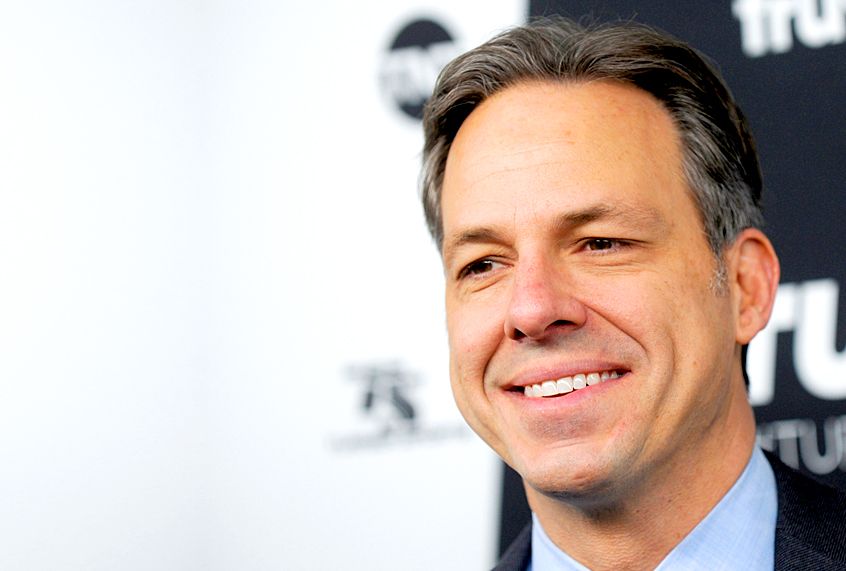
Jake Tapper Responds to Bill O’Reilly’s Ratings Critique by Citing Former Fox News Host’s Sexual Harassment Settlements
CNN anchor Jake Tapper responded to a social media critique from former Fox News host Bill O’Reilly by referencing O’Reilly’s 2017 termination following sexual harassment allegations. The exchange followed an O’Reilly tweet claiming Tapper’s television ratings had reached an all-time low.
The confrontation, which took place on X (formerly Twitter), centered on a comparison between the viewership numbers of CNN and Fox News personalities. Tapper countered O’Reilly’s assessment by defining “low” behavior as the conduct that led to O’Reilly’s departure from his long-standing role at Fox News.
What triggered the Twitter exchange between Jake Tapper and Bill O’Reilly?
The dispute began when Bill O’Reilly posted a comment regarding the viewership performance of Sean Hannity compared to Jake Tapper. O’Reilly used his platform to suggest that Tapper’s program was struggling to maintain an audience.

Sean Hannity kicking serious butt in the ratings. Tapper on CNN as low as you can go.
— Bill O’Reilly (@billoreilly) October 18, 2017
Tapper immediately replied to the post, pivoting the conversation from television metrics to the ethical circumstances of O’Reilly’s career exit. Tapper’s response directly addressed the sexual harassment allegations that prompted O’Reilly’s removal from his position at Fox News.
‘Low’ would be sexually harassing staffers and then getting fired for it — humiliated in front of the world. Now THAT would be low.
— Jake Tapper (@jaketapper) October 18, 2017
While the exchange focused on ratings, industry analysts noted that the two hosts do not compete in the same time slots. Tapper’s program on CNN typically airs at 4 p.m. ET, whereas Sean Hannity’s program on Fox News airs during the 9 p.m. ET hour. This temporal gap means their viewership audiences are not being measured against one another in direct competition.
How did Bill O’Reilly leave Fox News?
Bill O’Reilly was ousted from Fox News in April 2017. His departure followed a series of investigations into allegations of sexual harassment involving multiple female employees. According to reports from The New York Times, the network and O’Reilly had reached settlements totaling approximately $13 million to resolve claims brought by various women. These settlements were reportedly made in exchange for agreements not to pursue further litigation or speak publicly about the accusations.
The exit of O’Reilly marked a significant moment in the broader scrutiny of workplace conduct within major media organizations. His departure occurred during a period of heightened awareness regarding sexual misconduct in the entertainment and news industries, coinciding with the emergence of significant allegations against film producer Harvey Weinstein.
Following his exit, O’Reilly has frequently characterized his removal as a “political and financial hit job.” He has used various media platforms to contest the narrative surrounding his departure and to maintain a presence in the national political discourse.
What has Bill O’Reilly done since leaving Fox News?
Despite his removal from mainstream cable news, O’Reilly has maintained a multi-platform media presence. His current professional activities include:
- Digital Broadcasting: The launch of a web-based television program.
- Radio: Regular appearances on radio programs, including weekly segments on Glenn Beck’s show.
- Publishing: The release of a book that reached the top of the New York Times bestseller list.
- Social Media and Newsletters: Frequent commentary via X and the distribution of a personal newsletter.
O’Reilly’s efforts to remain in the public eye have often placed him at the center of media ethics debates. While he has successfully transitioned to independent platforms, his commentary continues to draw reactions from prominent journalists across the political spectrum.
Why do media ratings disputes matter in the industry?
In the highly competitive landscape of cable news, ratings serve as the primary metric for advertising revenue and network influence. Comparisons between hosts, such as those made by O’Reilly, are often used to signal the relative strength or decline of specific news brands. However, as seen in this exchange, the focus on viewership numbers can be complicated by different programming schedules and the varying demographics of the audiences being reached.

The conflict between Tapper and O’Reilly highlights a growing trend where social media serves as a secondary battlefield for professional disputes. Rather than addressing ratings discrepancies through official network statements, high-profile journalists and former broadcasters increasingly use direct, unmediated communication to challenge one another’s credibility and professional standing.
The incident also underscores the lasting impact of workplace misconduct allegations on a media professional’s reputation. Even years after a departure, the circumstances of a broadcaster’s exit remain a potent tool for both supporters and critics within the industry.
There are currently no official updates regarding further legal actions or scheduled public statements from either party concerning this specific social media exchange. We will continue to monitor developments in media industry standards and broadcast news trends.
What are your thoughts on the intersection of news ratings and professional conduct? Share your comments below and share this article with your network.