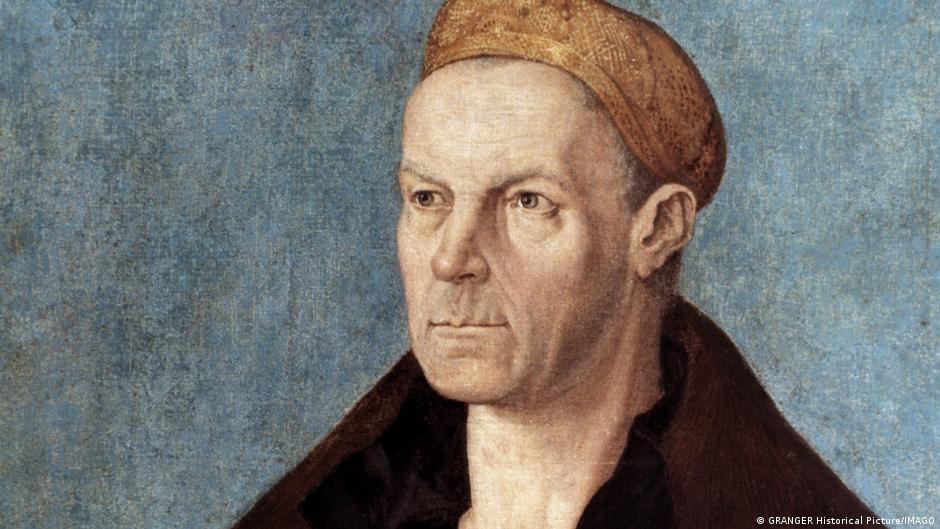
The Rise and Enduring Legacy of Jakob Fugger: Europe’s First Billionaire
Jakob Fugger, a name largely unknown outside historical circles, was arguably the most powerful financier of the Renaissance. he wasn’t a king or a pope, but his wealth and influence rivaled – and often surpassed – both. This article delves into the life and lasting impact of this remarkable figure, exploring how he reshaped European finance and left a legacy that continues to resonate today.
The Copper king and the Art of Lending
The Fugger family‘s rise began with textile trading, but it was Jakob who transformed the business into a financial empire in the 15th century. He recognized the growing demand for copper, especially in Europe’s burgeoning industries. Shipbuilding, weaponry, cookware, and even grand architectural projects all required the metal.
Jakob shrewdly secured mining rights, frequently enough receiving them as repayment for loans to indebted nobility.The Habsburgs and the Hungarian crown frequently turned to Fugger when conventional funds were unavailable. He understood a fundamental truth: control the resource, control the power.
But Fugger’s genius wasn’t just in resource acquisition. It was in how he lent money. He identified a critical gap in the market: reliable, large-scale credit.
* Indispensability was key. Fugger made himself essential to powerful borrowers, ensuring they remained reliant on his financial support.
* He understood risk. While others shied away from lending to those with shaky finances, Fugger saw opportunity.
* Speed and reliability mattered. Emperor Maximilian I,constantly embroiled in wars and needing to pay mercenaries,consistently turned to Fugger for fast access to funds.
Challenging Religious Doctrine & Modernizing Finance
One of Fugger’s most important achievements was navigating the complex religious landscape of the time. The catholic Church traditionally forbade the charging of interest – a practice known as usury. This restriction severely limited financial innovation.
Jakob, however, persuaded Pope Leo X to relax this ban. Historians believe the Pope himself wasn’t averse to maximizing returns, regardless of doctrine. This pivotal shift opened the door to modern lending practices, fundamentally altering the financial landscape.
This wasn’t a purely altruistic act. In exchange for his influence, Fugger received a share of church revenues. This included profits from the controversial sale of indulgences - a practice that ultimately fueled the Protestant Reformation. The Reformation, sparked in part by financial grievances, demonstrates the far-reaching consequences of Fugger’s actions.
A Legacy in Stone and Social Duty
While his financial maneuvers reshaped Europe, fugger’s most visible legacy resides in his hometown of Augsburg, Germany. In 1521, he founded the Fuggerei – widely considered the world’s oldest social housing complex.
The Fuggerei continues to operate today,offering affordable housing to residents who pay a symbolic rent (currently less than one euro). it’s a tangible testament to Fugger’s commitment to social responsibility, a concept remarkably progressive for his time. visitors from around the globe tour the community, experiencing a living piece of history.
The Scale of Fugger’s Wealth
estimating historical wealth is challenging, but experts believe Jakob Fugger’s fortune was staggering. Today, it’s estimated to be equivalent to $300-$400 billion (€255-€340 billion).
Consider this:
* At its peak, Fugger’s wealth represented 2-10% of all of Europe’s economic output.
* This dwarfs the current wealth of modern billionaires like Elon Musk or Jeff Bezos relative to the US GDP.
Corporate historian Boris Gehlen argues that even today’s philanthropic giants, like Bill Gates, are unlikely to match Fugger’s long-term impact.Fugger didn’t just donate to causes; he fundamentally altered the systems that governed wealth and finance.
A Lasting Influence
Jakob Fugger wasn’t simply a wealthy merchant. He was a visionary financier, a shrewd negotiator, and a surprisingly progressive social reformer. His actions reshaped European finance, contributed to religious upheaval, and established a model for social responsibility that endures centuries later.
Understanding Fugger’s story provides valuable insight into the forces that shaped