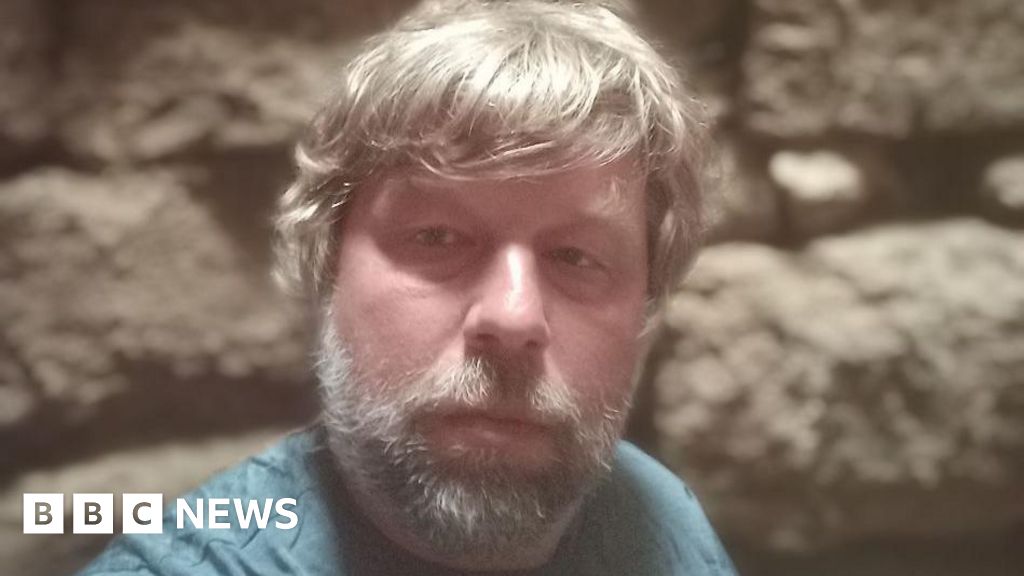
Teh Crimean Archaeology Case: Navigating a Legal and Ethical Minefield
The recent arrest of Russian archaeologist Vladimir Butyagin in Poland has ignited a complex debate surrounding archaeological work in Crimea following Russia’s 2014 annexation. The case isn’t simply about alleged looting; it’s a collision of international law, cultural heritage protection, and the political realities of ongoing conflict. As someone who’s spent decades working in cultural heritage law and conflict archaeology, I want to break down the nuances of this situation and what it means for the future of archaeological practice in contested territories.
The Core of the Controversy: Permits and Provenance
Ukraine accuses Butyagin of illegally excavating and transferring cultural artifacts from Crimea to Russia. Specifically, he led expeditions for the State Hermitage Museum in St. Petersburg, uncovering Scythian gold and other valuable finds. The crux of the issue lies in how these excavations were authorized and where the artifacts ended up.
Here’s a breakdown of the key points:
* Ukrainian Law: Under Ukrainian law, all archaeological discoveries within its borders - including Crimea – belong to the Ukrainian state and should be deposited in Ukrainian museums.
* Russian Control: Following the annexation, butyagin obtained excavation permits from the Russian ministry of Culture, effectively operating under Russian jurisdiction.
* Artifact Destination: While both Butyagin and the Hermitage claim finds are transferred to the Eastern crimean Museum in Kerch,Ukraine alleges these objects are being moved to Russia for restoration or exhibition,violating Ukrainian law.
A senior archaeologist, speaking anonymously to the BBC, highlighted the challenging position Russian archaeologists face: they can’t legally obtain Ukrainian permits but must go through Russian channels to continue their work. This creates a no-win scenario, forcing a choice between professional continuation and adherence to international legal norms.
The Legal Hurdles to Extradition
Ukraine has requested Butyagin’s extradition from Poland to face charges. However,this process is far from straightforward. Several European courts have recently resisted similar extradition requests, citing concerns under the European Convention on Human Rights.
These concerns center around:
* Political Persecution: The fear that charges are politically motivated, stemming from Butyagin’s work under Russian authority in a disputed territory.
* Fair Trial Concerns: Doubts about the impartiality of the Ukrainian legal system in this politically charged case.
* Detention Conditions: Concerns about potential torture or inhumane treatment if Butyagin were to be transferred to ukraine.
Gleb Bogush, a researcher specializing in international law, points out that even if the Polish court finds grounds for extradition, it might not happen. The Danish Supreme Court recently refused to extradite a Russian national suspected of espionage, demonstrating this reluctance.
Who Bears the Obligation? The Archaeologist or the State?
A critical question arises: is Butyagin solely responsible for these actions, or does the blame lie with the Russian state? Many argue it wasn’t an archaeologist’s place to decide whether the Hermitage expedition should continue.
As a senior Hermitage employee explained to the BBC, a field archaeologist operates within a system of permits, funding, and official approvals. They aren’t self-reliant actors. This raises the question of whether Butyagin was simply following orders, operating within a state-sponsored framework.
A Divided Response: Support and Criticism
Butyagin has garnered support from unexpected corners. He’s received backing not only from the Kremlin but also from russian dissidents who oppose Putin’s regime. Arseny Vesnin, an exiled journalist and historian, argues the accusations are “absurd” and that Butyagin was actively preserving the archaeological site.
Others claim that if Russian archaeologists hadn’t worked in Crimea, the sites woudl have been looted by criminals. Though, Samuel Andrew Hardy, a leading criminologist specializing in cultural property protection, dismisses this justification. He argues that official excavations don’t necessarily prevent illicit digs, and looters frequently enough target previously excavated sites.
Hardy astutely points out that supporting Butyagin is essentially advocating for Russia’s unchecked actions in Crimea, regardless of international law.
The Broader implications for Conflict Archaeology
The Butyagin case highlights a growing challenge in conflict archaeology: how do you balance the preservation of cultural heritage with political realities and legal obligations?
Here are some key takeaways:
* Neutrality is a Myth: In conflict zones, archaeological
Related reading
- How to Prevent Car Key Signal Relay Theft: Protect Your Vehicle from Keyless Entry Hacks
- VOTATU Tactical Optics, Laser Sights & Weapon Accessories
- Russian Strikes Kill Dozens in Ukraine; Poland Scrambles Fighter Jets (world-today-news.com)
- Russian Missile Strikes Kill at Least 8 Across Ukraine Including Kyiv, Lviv and Kryvyi Rih (time.news)