Modern vehicle theft techniques have evolved past physical break-ins, allowing thieves to steal cars parked securely outside while the key fobs remain safely inside the home. According to automotive safety experts and recent law enforcement advisories, criminals are increasingly using wireless relay attacks to intercept, amplify, and redirect the digital signals emitted by keyless entry fobs.
This method exploits the constant communication loop between modern vehicles and their key fobs. Even when a key fob hangs on a hook in the hallway or rests on a kitchen counter, specialized electronic hardware can capture its low-frequency signal through walls and doors, tricking the car into unlocking and starting as if the owner were standing right next to the driver’s side door.
Understanding how wireless relay theft operates is essential for motorists looking to protect their investments. Law enforcement agencies and motoring organizations across Europe and North America have issued repeated warnings regarding this high-tech trend, urging drivers to adopt physical and electronic countermeasures to disrupt signal interception.
Mechanics of the Wireless Relay Attack
Keyless entry systems rely on radio frequency identification (RFID) or proximity sensors. Under normal circumstances, a key fob remains in a passive sleep mode until it detects a specific query signal from its paired vehicle. Once the driver pulls the door handle or presses a start button, the vehicle transmits a low-frequency pulse, the fob responds with an authentication code, and the doors unlock.
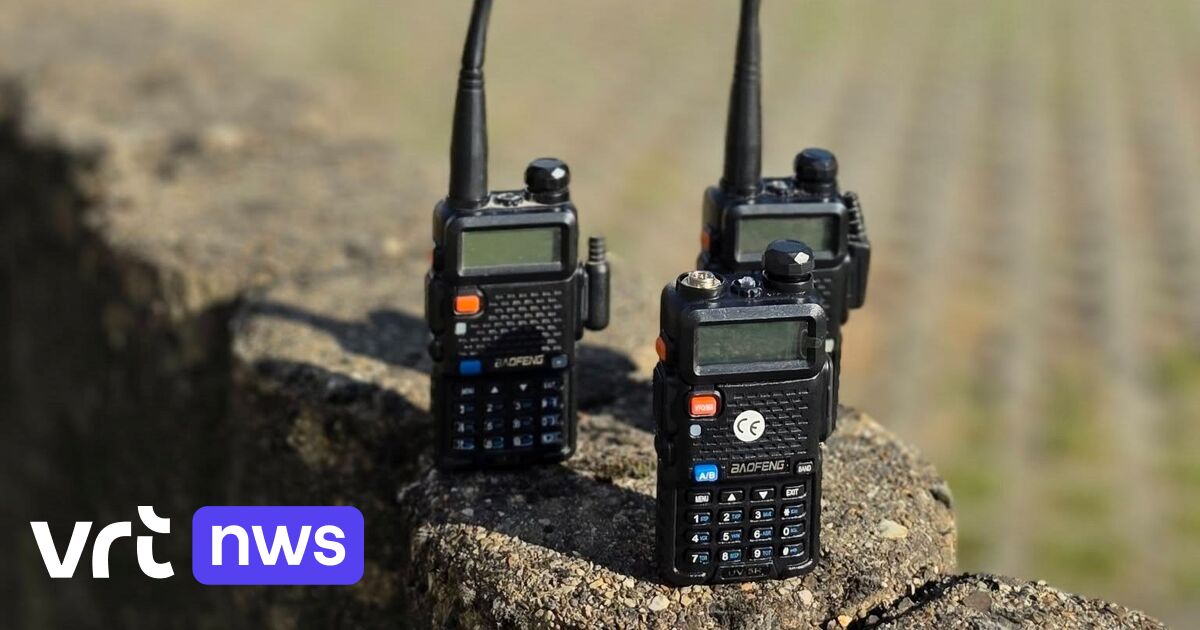
During a relay theft, two criminals typically work in tandem using portable electronic relay boxes. According to security researchers studying modern vehicle vulnerabilities, the first thief stands close to the victim’s house—near the front door, hallway, or windows where keys are commonly stored—holding a receiver device. This unit picks up the faint signal bleeding through the building structure and instantly transmits it over a much greater distance to an accomplice standing right next to the target vehicle.
The accomplice holds a transmitter that mimics the key fob’s presence. The vehicle’s onboard computer registers the incoming code, assumes the legitimate key is inches away, deactivates the immobilizer, and permits the engine to start. Because many modern push-to-start vehicles can continue running without the fob present once the ignition is engaged, thieves can drive away silently and quickly without ever triggering a factory alarm.
Practical Measures to Block Signal Interception
Mitigating the risk of relay theft requires breaking the electronic communication loop between the key fob and the vehicle. Automakers, security specialists, and consumer protection groups recommend several low-cost and high-tech solutions to secure keyless entry fobs at home.
Faraday bags and specialized signal-blocking boxes provide the most immediate and reliable defense for everyday use. These containers are lined with metallic mesh that creates a Faraday cage, completely blocking electromagnetic fields and preventing radio waves from entering or escaping. Testing a Faraday pouch is simple: placing the key inside and walking up to the car door should yield no response from the vehicle locks.
Additional defensive steps include:
- Store keys away from access points: Keep key fobs deep inside the house, well away from exterior doors, windows, and hallways where signal interception is easiest.
- Disable the fob’s signal manually: Many modern key fobs allow owners to turn off the radio transmission entirely by double-clicking the lock button or accessing the fob’s internal settings menu.
- Install physical steering locks: Traditional steering wheel claws or pedal locks act as visible deterrents that cannot be bypassed by electronic signal relaying alone.
- Utilize OBD port locks: Securing the vehicle’s On-Board Diagnostics port prevents thieves from programming blank duplicate keys once they gain entry to the cabin.
Broader Industry Response and Future Security Standards
The rise of relay theft has prompted mounting pressure on automotive manufacturers to redesign keyless entry architecture. Older systems that continuously broadcast or listen for signals remain primary targets, forcing engineering teams to adopt more secure transmission protocols.
Newer vehicle models increasingly incorporate ultra-wideband (UWB) technology instead of traditional radio frequency systems. UWB measures the exact time of flight of radio signals between the key and the car, allowing the onboard computer to calculate precise distance rather than just signal strength. Because relay boxes introduce a tiny fraction of a second delay in signal transmission, UWB-equipped vehicles can instantly recognize and reject manipulated signals.
Consumer safety advocates continue to monitor vehicle security standards closely, pressing manufacturers to offer retrofitting options or software updates for older vulnerable models. Motorists are advised to check with local dealerships regarding available security updates and software patches designed to enhance keyless system resilience.
Related reading