
Hurricane Melissa’s Devastating Impact: Rebuilding Lives in Jamaica
Hurricane Melissa recently unleashed catastrophic damage across Jamaica, leaving a trail of destruction and displacing nearly half a million people. The storm’s impact extends far beyond physical damage, creating a humanitarian crisis demanding immediate and sustained support. This article details the widespread devastation, the challenges faced by those affected, and the ongoing relief efforts.
The Scale of the Disaster
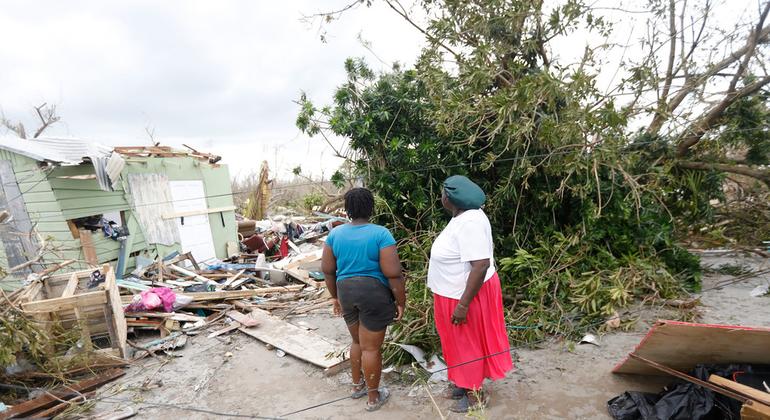
Melissa’s fury reduced entire neighborhoods to rubble. A staggering 36% of homes in the western part of the country sustained damage or were fully destroyed. Schools quickly transformed into emergency shelters, offering temporary refuge to those who lost everything.
The hurricane’s aftermath brought widespread disruption:
* Roads became impassable due to flooding.
* Power outages plunged communities into darkness.
* Thousands were isolated for days, cut off from essential services.
This left families in precarious living conditions, grappling with profound uncertainty about their future.
Stories of Resilience: Rose, Sharon, and Sonia
Amidst the widespread devastation, individual stories highlight the human cost of the hurricane. We’ll focus on three mothers – Rose, Sharon, and Sonia - whose lives were irrevocably altered by Melissa.
“I have a key but no house,” laments Rose, who lost her family’s home of nine years. The small wooden structure, a donated haven, is now reduced to its foundation. The air around the remains of her home carries the scent of mud and decay, a stark reminder of everything lost.
Like Rose, Sharon faces an uncertain future. She arrived at a shelter with her two young children the very day her home, and her father’s, collapsed. Before the storm, Sharon worked as a gas station supervisor, but her workplace is now closed indefinitely. Her children are now sleeping on desks in the stifling heat.
Sonia, carrying her grandson who has a heart condition, narrowly escaped the rising waters. “I can’t swim, so I grabbed him and ran,” she recounts, highlighting the desperate choices people were forced to make. She now resides in a shelter, deeply concerned about her grandson’s health and their future.
These women, along with countless others, have lost not only their homes but also their livelihoods.Rose and her son, previously employed in the tourism sector, lost their jobs when the industry shut down.
The Ongoing Humanitarian Response
As of today, over 1,100 people remain in 88 shelters across Jamaica. More than 120,000 households require urgent repairs.The situation demands a coordinated and complete response.
The International Organization for Migration (IOM) is playing a crucial role in supporting the Jamaican government and the broader UN response. IOM teams are delivering vital aid, including:
* Tarpaulins for temporary shelter.
* Shelter repair materials.
* Hygiene kits to prevent the spread of disease.
* Generators to restore power.
* Other essential supplies.
These efforts are critical in providing immediate relief and supporting the long-term recovery process.
Looking Ahead: Rebuilding and Recovery
The road to recovery will be long and challenging. Beyond immediate relief, addressing the long-term needs of affected communities is paramount. This includes:
* housing Reconstruction: Providing materials and support for rebuilding homes.
* Economic recovery: Creating job opportunities and supporting small businesses.
* Psychosocial Support: Addressing the trauma and emotional distress caused by the hurricane.
* Disaster Preparedness: Strengthening infrastructure and implementing early warning systems to mitigate future risks.
The resilience of the Jamaican people is inspiring. Amidst the loss, small acts of kindness and community solidarity offer a glimmer of hope.
For women like Rose, Sharon, and Sonia, the support of their communities is essential as they navigate this difficult chapter. Their lives,once separate,are now intertwined by shared loss,uncertainty,and the collective effort to rebuild.
Names have been changed to protect the privacy of those affected.
How You Can Help:
If you’d like to contribute to the relief efforts, consider donating to organizations like the IOM or other reputable charities working on the ground in Jamaica. Every contribution, no matter how small, can make a difference in the


