
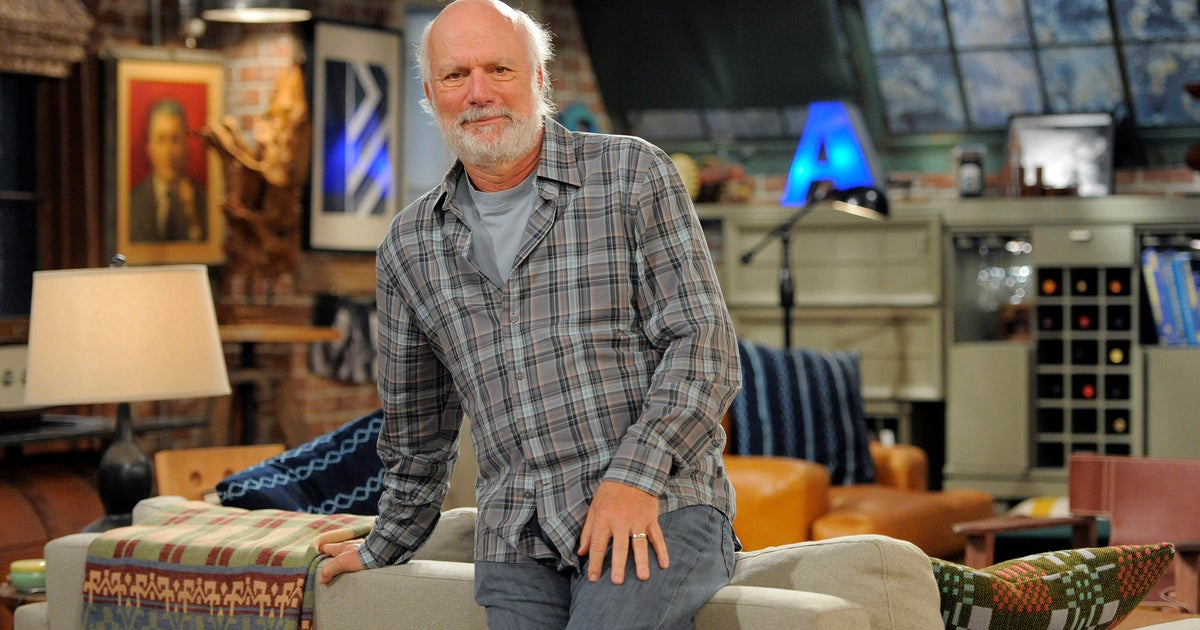
Legendary television director and producer James Burrows, whose work behind the camera defined the landscape of the American sitcom for over four decades, has died at the age of 85. Known for his technical precision and his ability to cultivate iconic ensemble chemistry, Burrows was a foundational figure in the development of modern multi-camera comedy, directing more than 1,000 episodes of television throughout his prolific career, according to official industry reports.
Burrows’ influence on the medium is perhaps best measured by his role in shaping some of television’s most enduring series. He co-created the NBC hit Cheers alongside Glen and Les Charles, a series that redefined the workplace comedy and launched the careers of multiple stars. His commitment to the craft was such that he directed all 246 episodes of the original Will & Grace run, a feat of creative stamina that remains a rare milestone in network television history, as noted by Variety.
A Legacy Built on Sitcom Fundamentals
Born into a family steeped in the arts—his father was the noted playwright and director Abe Burrows—James Burrows approached television comedy with a theatrical discipline. After graduating from the Yale School of Drama, he transitioned into directing, where he quickly gained a reputation for his ability to block scenes that prioritized character interactions over mere punchlines. This approach was instrumental in the success of The Mary Tyler Moore Show and Taxi, two programs that established the “smart” sitcom template of the 1970s.

His work on Cheers, which premiered in 1982, is widely cited by television historians as a turning point for the medium. By focusing on the “will-they-won’t-they” dynamic between Sam Malone and Diane Chambers, Burrows helped pioneer long-form narrative arcs in a format that had previously relied on self-contained, episodic stories. According to the Television Academy, Burrows earned 10 Emmy Awards for his directing and producing work, cementing his status as one of the most decorated individuals in the history of the medium.
The Architect of Ensemble Chemistry
Beyond his technical credits, Burrows was frequently described by actors as an “actor’s director.” His process involved extensive rehearsals, a rarity in the fast-paced world of weekly television production. This commitment to preparation allowed performers to find the emotional truth within the comedy, a quality that became the hallmark of his subsequent projects, including Frasier, Friends, and The Big Bang Theory.

His tenure on Will & Grace further demonstrated his influence. By directing every episode of the original series, he ensured a visual and tonal consistency that was largely unprecedented for a show of its duration. This level of oversight allowed for the seamless integration of guest stars and complex physical comedy sequences, which became a staple of the show’s identity throughout its initial eight-season run, as reported by The Hollywood Reporter.
Reflecting on a Prolific Career
Throughout his career, Burrows directed episodes for dozens of shows, ranging from Rhoda and Laverne & Shirley to Two and a Half Men and Mike & Molly. His career spanned the transition from the golden age of network dominance to the early stages of the streaming era. While his style was rooted in the traditional multi-camera setup—filmed in front of a live studio audience—he remained relevant by mentoring new generations of writers and directors who sought his guidance on balancing humor with heart.
His impact extends to the industry’s institutional memory. Burrows was a frequent participant in panel discussions and retrospectives, often speaking about the necessity of protecting the “fourth wall” and the importance of the live audience reaction in shaping the rhythm of a scene. As the television industry continues to evolve, the structural templates Burrows established remain the standard for the multi-camera comedy format.
What Happens Next
As the entertainment community mourns his passing, tributes from former cast members and industry peers continue to circulate on social media platforms. Networks that were home to his most iconic series are expected to announce commemorative programming or air marathons of his most acclaimed episodes in the coming weeks. Fans looking for official statements or memorial information may monitor updates via the Television Academy’s official news portal, which serves as the primary repository for industry-wide recognitions and honors.

The loss of James Burrows marks the end of a significant chapter in television history. His contributions, characterized by a rare blend of rigor and warmth, continue to be studied by students of film and television worldwide. Please share your favorite memories of the shows directed by James Burrows in the comments below.