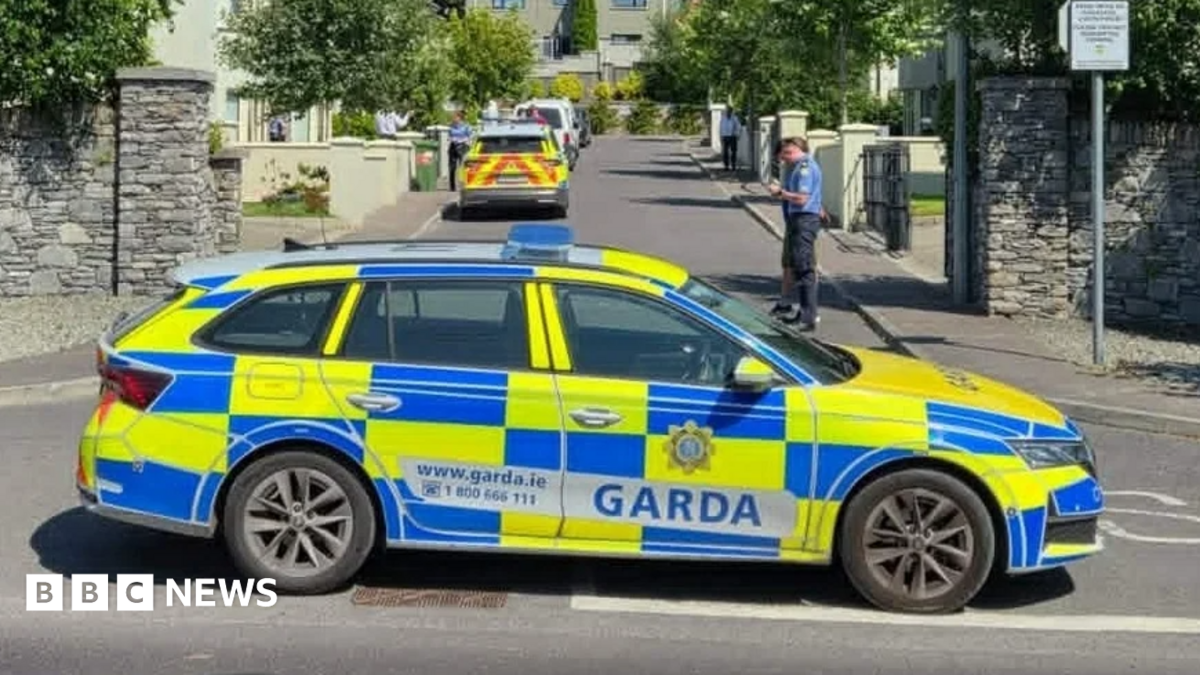
Irish investigators are preparing to engage with Jordanian authorities as part of an ongoing murder inquiry following the discovery of a man’s body at a property in Killarney, County Kerry, last week. An Garda Síochána—Ireland’s national police service—confirmed that they are working to establish contact with their counterparts in Jordan to assist with specific lines of inquiry related to the case.
The deceased, identified as Jamey Carney, was found at a residential location in the Killarney area. While a post-mortem examination has been completed by the Office of the State Pathologist, Gardaí have not disclosed the specific findings for operational reasons. According to reporting by RTÉ, the investigation is being treated as a murder probe, and the involvement of international police forces is considered a standard step in tracing movements and potential witnesses outside of the jurisdiction.
International Coordination in the Killarney Investigation
The decision to seek assistance from Jordanian law enforcement indicates that the investigation has expanded beyond Irish borders. Gardaí often utilize established protocols under Interpol and bilateral police agreements when a crime involves foreign nationals or individuals with significant international travel history. As noted by the Garda Síochána, cross-border cooperation is essential in complex cases where evidence or persons of interest may be located in multiple countries.

Investigators are currently reviewing CCTV footage from the Killarney area and interviewing local residents to build a timeline of events leading up to the discovery of the body. The property where the incident occurred remains under a technical examination, with forensic experts scouring the scene for physical evidence. No arrests have been reported as of the latest update from local authorities, and the investigation remains in its active phase.
Legal and Procedural Context for Irish Murder Probes
In Ireland, the process for investigating a suspicious death is governed by the Criminal Justice Act, which mandates rigorous forensic standards and the involvement of the State Pathologist. When a case involves international jurisdictions, the Department of Justice works alongside the Department of Foreign Affairs to facilitate the exchange of information. This administrative framework ensures that evidence gathered abroad remains admissible in Irish courts, should charges be brought.
The local community in Killarney has been urged by Gardaí to come forward with any information that might assist the investigation. The Killarney Garda Station is serving as the primary point of contact for the public. Authorities have emphasized that even seemingly minor details regarding activity at the property in the days preceding the discovery could prove vital to the inquiry.
Next Steps in the Judicial Process
The investigation is now moving toward a stage where international evidence will be consolidated with local findings. The next significant checkpoint for the public will be an update from the Garda Press Office regarding potential travel restrictions or international warrants, if deemed necessary by the Director of Public Prosecutions.
As the legal process continues, officials are expected to provide further guidance on how the public can continue to support the investigation without compromising the integrity of the evidence. For those with relevant information, contacting the Killarney Garda Station or the Garda Confidential Line is the recommended course of action. We will continue to monitor official statements from the Department of Justice as this inquiry develops.
Worth a look