
The Fading Loyalty: Why One-Club Players Are Becoming Football’s Rarest Breed
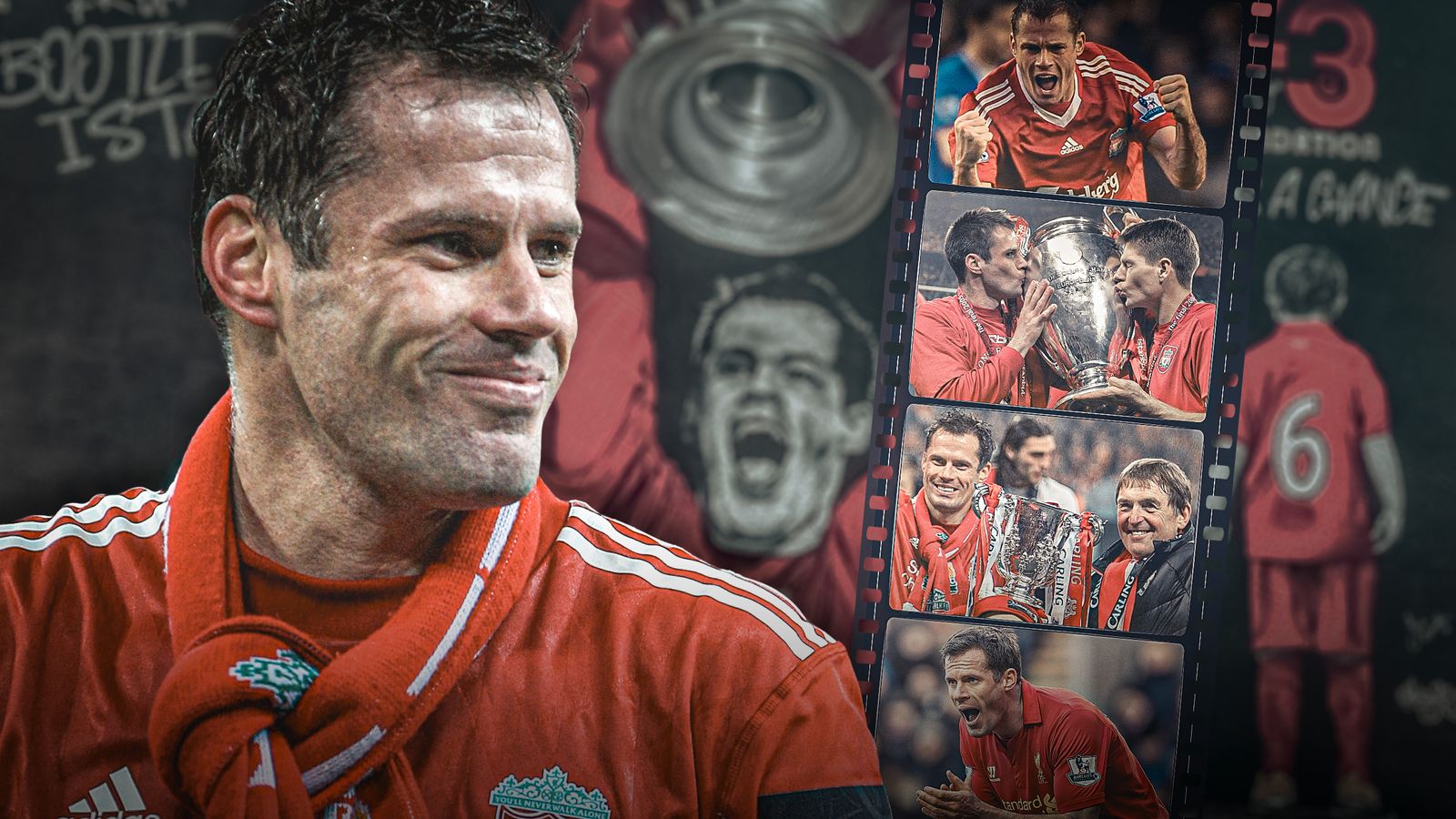
(Image: Jamie carragher made 737 appearances for Liverpool)
The modern football landscape is a whirlwind of transfers, inflated contracts, and global ambition. Amidst this constant flux, a certain romantic ideal is quietly disappearing: the one-club player. Those individuals intrinsically linked to a single institution, embodying its values and history through decades of unwavering service. Jamie Carragher, a Liverpool legend who amassed 737 appearances for the Reds, understands this shift perhaps better than most. He’s recently been honored with The Athletic’s inaugural ‘One Club Award,’ a recognition that feels increasingly poignant in an era defined by player mobility.
but the award’s timing, and the recent departure of a fellow Liverpool academy graduate, Trent Alexander-Arnold to Real Madrid, has sparked a deeper reflection on loyalty, legacy, and what players truly gain – and lose – when they chase opportunities elsewhere.
Losing That Deep Connection
Alexander-Arnold’s move isn’t an isolated incident. Steve McManaman and Michael owen, both Liverpool stalwarts in their time, previously opted for the allure of Real Madrid.Carragher, while acknowledging the individual right to pursue career advancement, admits to a sense of disappointment.
“That’s one of the reasons I spoke so passionately about Trent,” Carragher explains. “I felt he could have been another one. Those players like Trent gain something, of course they do. But to be a one-club man… that would have been truly special for him.”
The core of the issue isn’t about denying players the chance to experience different leagues or win more silverware. It’s about recognizing the intangible value of a lifelong commitment. While players may accumulate trophies and financial rewards by moving clubs,they inevitably forfeit something in return – a unique,deeply-rooted connection with a fanbase and a community.
“McManaman won the Champions League twice with Real Madrid and has no cause to regret his decision,” Carragher concedes.”It may well be the same for Alexander-Arnold. But while these players gain from the experience, they do lose something too.”
Carragher himself never seriously contemplated leaving Anfield. He admits he never actively sought experiences outside of Liverpool, a decision he stands by. “It was always the Liverpool way for me. I didn’t experience how other clubs worked. I didn’t have that, and I suppose it would have been nice to have those different experiences. But I’m glad I did what I did, to be honest.”
He acknowledges that not every player possesses that same unwavering bond. “It’s unfortunate because they are great players, but some people just don’t have that same connection with one club, realy. Or something happens and that’s them done. It will be interesting how the supporters react when Trent comes back with Real Madrid.”
Walking amongst the crowds at anfield, witnessing Carragher’s genuine interactions with supporters - the photos, the hugs, the shared history – underscores the profound nature of that connection. Despite the occasional playful jab from new manager Arne Slot, Anfield remains his home.
“I wouldn’t say I’m universally loved by every Liverpool supporter just because I stayed here for the whole of my career,” he admits with a self-deprecating smile. “But there aren’t many of us out there who played their whole career here.”
A Legacy Beyond trophies
The conversation extends beyond the pitch, touching on the long-term outlook of a footballer’s life. “When you’re an old man in football, you’re still a young man in life,” Carragher reflects. “I know that more now. When you get into your mid-thirties, you’re still a young fella, really, but you’re seen as this really old, experienced guy in football. There’s a long life ahead of you.”
This realization highlights the importance of considering a player’s legacy. While winning trophies and maximizing earnings are undoubtedly important, Carragher believes there’s a deeper form of accomplishment in being remembered fondly by a single club.
“That’s why, when I think sometimes about people making choices to leave clubs, I do think you have to think about a legacy. Listen, getting the most from your career is more important than anything. Winning trophies, earning money, playing for big clubs.”
He then points to the example of Steven Gerrard, another Liverpool icon. “But I do think at times there are certain moves that players make where I think, you are a long time retired.
![Human-Like Typing: How AI is Learning to Write Naturally | [Your Brand/Publication]](https://i0.wp.com/www.sciencedaily.com/images/scidaily-icon.png?resize=150%2C150&ssl=1 "Human-Like Typing: How AI is Learning to Write Naturally | [Your Brand/Publication]")




