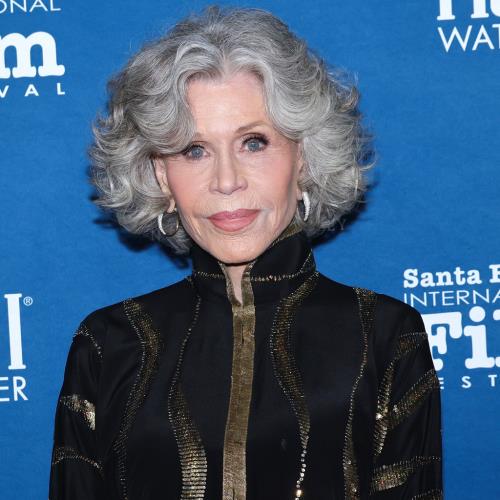
Actress and activist Jane Fonda issued a public call for entertainment industry leaders to protect the right to free expression during the Rise Up, Sing Out concert held at The Town Hall in New York City on Sunday night. Speaking to an audience of performers and attendees, Fonda emphasized the importance of maintaining artistic freedom amid increasing political and social pressures on the creative sector. The event, which featured various artists advocating for social justice, served as a platform for Fonda to connect the role of storytelling with the broader defense of civil liberties.
Fonda’s remarks, delivered at the historic Manhattan venue, focused on the responsibility of those in positions of power within Hollywood and the music industry to resist censorship. According to reports from the Hollywood Reporter, she urged industry professionals to utilize their influence to support creators who face backlash for their public stances. The concert, part of a series of cultural events aimed at organizing through music, highlighted ongoing debates regarding the boundaries of artistic expression in contemporary society.
The Context of Artistic Expression in Modern Media
The call for the defense of free expression comes as industry figures face increased scrutiny over public statements and creative output. Fonda, a long-time advocate for political causes, suggested that the current climate requires a more unified front from studios, record labels, and production companies to prevent the marginalization of dissenting voices. This sentiment aligns with broader discussions regarding the First Amendment protections for artists, which remain a central focus for organizations like PEN America, which tracks incidents of censorship in creative industries.
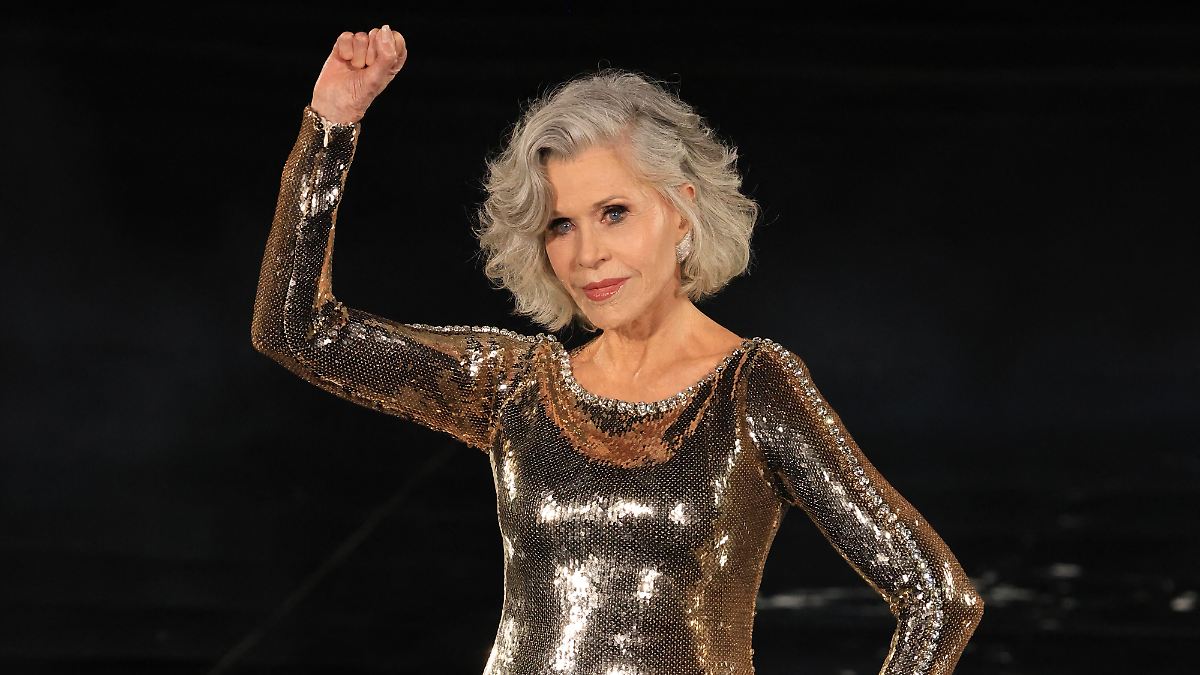
While industry leaders often balance brand safety with creative autonomy, Fonda’s appeal urges a shift toward prioritizing intellectual freedom. The Town Hall concert itself served as a case study for this mission, bringing together artists who believe that performance can act as a catalyst for political engagement. The event underscored a recurring tension in the entertainment business: the push to remain commercially viable while navigating a polarized public landscape where personal speech can have direct professional consequences.
Why Industry Support Matters for Creators
For many creators, the backing of major institutions is essential when facing public or political pressure. Fonda’s speech highlighted that when industry leaders fail to defend the right to free expression, it creates a chilling effect that discourages artists from addressing controversial or systemic issues. According to data from the American Civil Liberties Union (ACLU), protections for speech are often most fragile in environments where economic interests are heavily tied to public perception and corporate sponsorship.
The impact of this advocacy extends beyond the individual artist. When cultural institutions adopt policies that protect intellectual and artistic freedom, it preserves the diversity of perspectives necessary for a functioning democracy. Fonda’s involvement in the Rise Up, Sing Out series is part of a wider effort by various activists to ensure that the arts remain a space for challenging the status quo, rather than merely reflecting it.
What Happens Next for Advocacy Efforts
Following the event at The Town Hall, organizers have indicated that they intend to continue the Rise Up, Sing Out series to maintain momentum on these issues. There is no immediate legislative action pending that directly correlates to Fonda’s specific request, but the conversation is expected to continue within guild meetings and industry conferences throughout the year. Observers note that the effectiveness of such advocacy often depends on the willingness of high-profile stars to leverage their leverage in contract negotiations and public discourse.
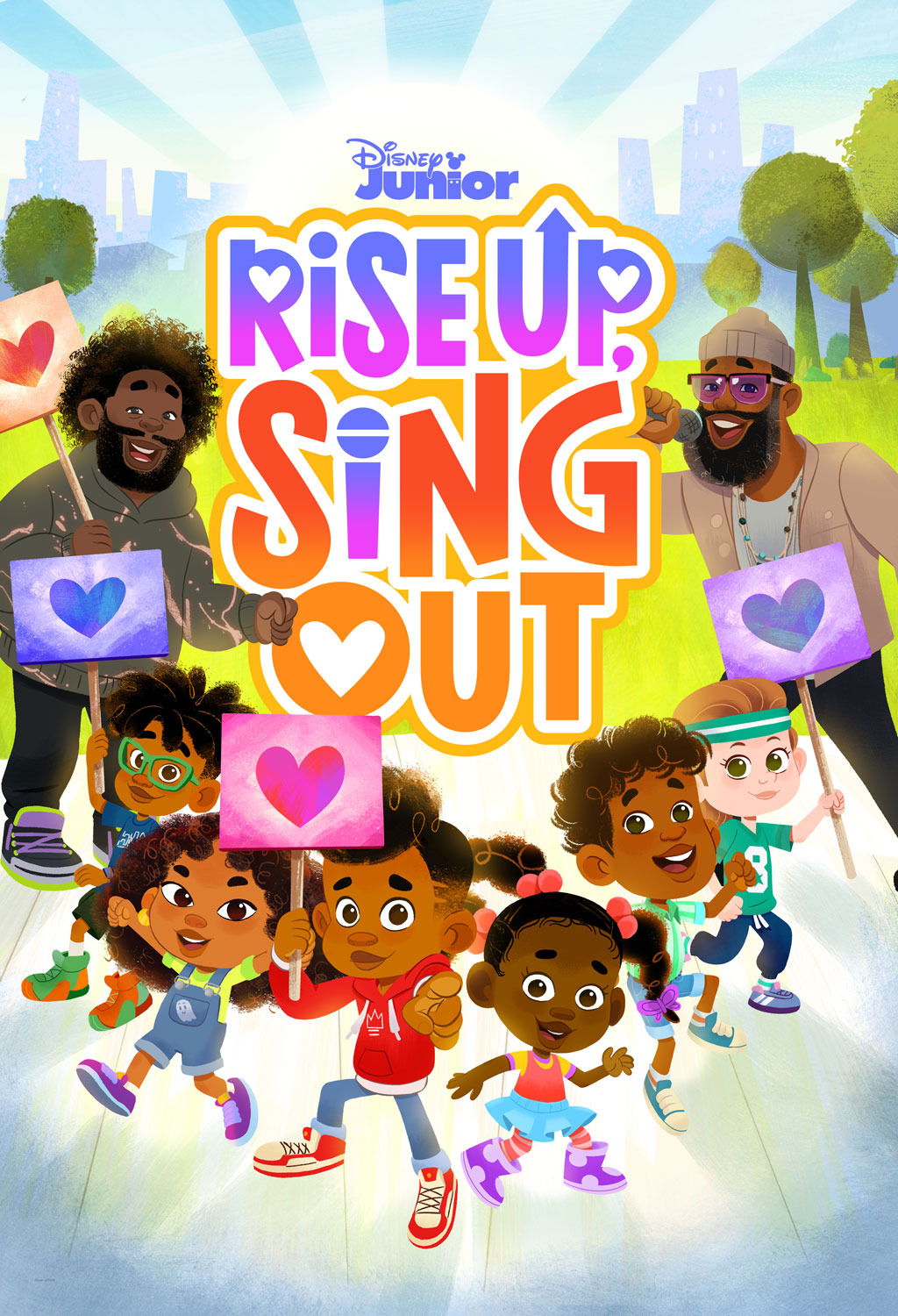
As the industry moves forward, the focus remains on whether major studios and streaming platforms will adopt formal policies that explicitly protect artists from retribution for protected speech. Readers interested in following these developments can monitor updates from organizations like the Screen Actors Guild-American Federation of Television and Radio Artists (SAG-AFTRA), which frequently addresses member rights and workplace protections. We invite readers to share their thoughts on the balance between industry responsibility and artistic freedom in the comments section below.
Worth a look