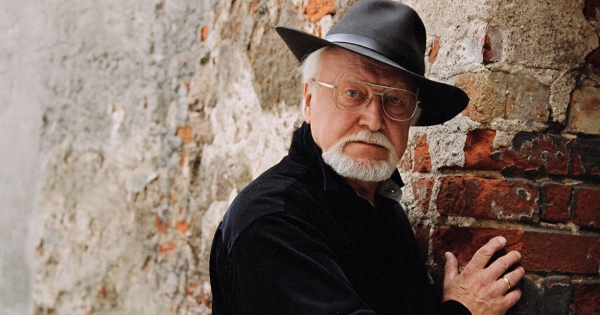
The films of Latvian director Jānis Streičs, a towering figure in Latvian cinema, are now available worldwide through a special collection launched on the filmas.lv portal on March 7th. This retrospective honors Streičs, who passed away in 2026, and showcases his diverse and influential body of work, encompassing 11 feature films created between 1967 and 2010. The collection offers a chance to revisit the unique talent of a filmmaker consistently ranked among the greatest in Latvian cinematic history.
Streičs’s films resonated deeply with Latvian audiences, often achieving a near-folkloric status. His ability to capture the nuances of Latvian life and character, combined with a distinctive directorial style, earned him enduring popularity and critical acclaim. The selection on filmas.lv aims to celebrate this cultural legacy, offering both beloved classics and lesser-known gems to a global audience. The National Film Centre of Latvia maintains filmas.lv in collaboration with the Latvian National Archives’ State Cinematography, Photography and Phonodocuments Archive, with technical support from the Cultural Information Systems Centre (KISC).
A Career Spanning Decades: Highlights of the Collection
The curated collection features a broad spectrum of Streičs’s work, from his early comedies to his later, more introspective dramas. Among the highlights is Limuzīns Jāņu nakts krāsā (The Limousine of the Midsummer Night, 1981), a hugely popular comedy that remains a staple of Latvian cinema. Similarly included is Mans draugs – nenopietns cilvēks (My Friend – A Serious Person, 1975), another beloved comedy known for its relatable characters and witty dialogue. These films, according to film historians, exemplify Streičs’s talent for portraying everyday life with humor and warmth.
The collection also delves into Streičs’s more poignant works, such as Cilvēka bērns (A Child of Man, 1991), a moving tribute to the Latgale region of Latvia. Likteņdzirnas (Mills of Fate, 1997) is also featured, a film that gained significant popularity during Latvia’s re-establishment of independence. Streičs’s ability to connect with audiences on an emotional level is particularly evident in these films, which explore themes of identity, belonging, and the challenges of life.
Beyond these well-known titles, the collection showcases Streičs’s versatility with two multi-part films that playfully explore “foreign lands” – England and Sweden – which were less accessible during the time of their production. Teātris (The Theatre, 1978) serves as a tribute to the acclaimed actress Vija Artmane, while Nepabeigtās vakariņas (Unfinished Dinners, 1979) offers unusual roles to a wealth of talented Latvian actors. These films demonstrate Streičs’s willingness to experiment with form and narrative, pushing the boundaries of Latvian cinema.
Exploring the 1980s and Beyond
The 1980s are represented by two particularly striking films: the dramatic Svešās kaislības (Foreign Passions, 1983), which Streičs himself occasionally referred to as his best work, and Aizaugušā grāvī viegli krist (It’s Easy to Fall into a Grown-Over Ditch, 1986), a socio-critical manifesto before the period of Latvia’s Awakening. These films reflect the changing social and political landscape of the time, and showcase Streičs’s willingness to tackle complex and controversial themes.
The early 21st century also saw Streičs explore Latvian original dramas with a series of low-budget television films. Included in the collection is a modern adaptation of Elīna Zālīte’s 1930s play, Rudens rozes (Autumn Roses, 2004). This demonstrates Streičs’s continued engagement with Latvian literature and his ability to bring classic stories to a new audience.
A Fitting Tribute: Streičs’s First and Last Films
The collection is framed symbolically by Streičs’s first and last films: the sparkling comedy for children, Kapteiņa Enriko pulkstenis (Captain Enrico’s Clock, 1967), created in the 1960s with his fellow film school student Ēriks Lācis, and Rūdolfa mantojums (Rudolf’s Legacy, 2010), a Latvian rural story in the spirit of Rūdolfs Blaumanis. Streičs himself described the latter as “a dose of optimism for the people,” encapsulating his enduring belief in the power of cinema to uplift and inspire. Rūdolfs Blaumanis was a prominent Latvian writer and playwright whose works often focused on rural life and social issues.
Dita Rietuma, head of the National Film Centre, emphasized Streičs’s ability to connect with diverse generations of viewers. Speaking to TV3, Rietuma noted that Streičs “was able to combine different eras and audiences of viewers.” She also highlighted his influence on Latvian cinema, stating that “anyone who has seen Jānis Streičs’s films can only aspire to the simplicity of form, nuance, subtle irony and ability to create a portrait of the national mentality.” Rietuma’s comments underscore the lasting impact of Streičs’s work on Latvian culture and cinema.
The Jānis Streičs film collection is available free of charge on filmas.lv from March 7th for two weeks, accessible to fans of the director’s talent worldwide with internet access. This initiative provides a valuable opportunity to celebrate the life and work of a true Latvian cinematic master and to introduce his films to a new generation of viewers. The filmas.lv portal also serves as a comprehensive database of the Latvian film industry, created by the National Film Centre in collaboration with the Latvian National Archives’ State Cinematography, Photography and Phonodocuments Archive.
A direct link to the memorial collection on filmas.lv can be found HERE.
Key Takeaways
- A Comprehensive Retrospective: The filmas.lv collection offers a wide-ranging overview of Jānis Streičs’s career, spanning five decades of filmmaking.
- Free Access: The collection is available free of charge for two weeks, making it accessible to a global audience.
- Cultural Significance: Streičs is widely regarded as one of Latvia’s most important filmmakers, and his work reflects the country’s cultural identity.
- Diverse Genres: The collection includes comedies, dramas, and adaptations of Latvian literature, showcasing Streičs’s versatility as a director.
The availability of Streičs’s films on filmas.lv provides a valuable resource for film scholars, enthusiasts, and anyone interested in Latvian culture. The National Film Centre has not yet announced any plans for extending the free access period beyond the initial two weeks, so interested viewers are encouraged to explore the collection before March 21st. Further information about Jānis Streičs and Latvian cinema can be found on the National Film Centre of Latvia’s website.
Related reading