
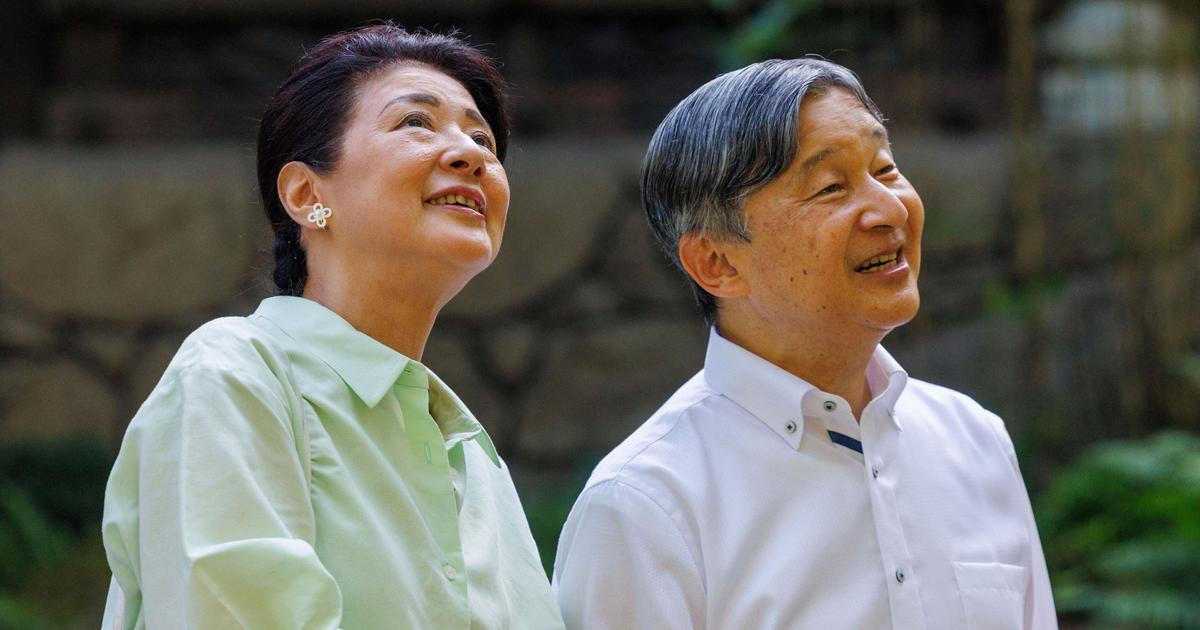
The Japanese government has moved to address the diminishing size of the Imperial House by approving a proposal that maintains the status quo for female members, effectively excluding women from succeeding to the Chrysanthemum Throne. Under the current Imperial House Law, only males in the paternal line are eligible to inherit the throne, a policy that remains unchanged despite concerns regarding the long-term viability of the monarchy. The proposal, discussed by a government-led panel, focuses on allowing female royals to retain their imperial status after marriage, rather than transitioning to commoner life, in an effort to stabilize the number of family members performing public duties.
This development follows years of debate within the Japanese Diet regarding the future of the world’s oldest hereditary monarchy. According to the Imperial Household Agency, the number of royals has dwindled significantly over the past several decades, primarily because female members must renounce their titles upon marrying commoners. The new proposal aims to mitigate this decline by creating a system where women born into the imperial family can continue to support the institution, even if they cannot inherit the throne themselves.
The Constraints of the Imperial House Law
The Japanese succession system is strictly governed by the Imperial House Law of 1947, which mandates that the throne passes exclusively to male descendants in the male line. Critics of the current law argue that this restriction poses an existential threat to the continuity of the imperial line. As of 2024, there are only three eligible heirs: Crown Prince Akishino, his son Prince Hisahito, and the Emperor’s younger brother, Prince Hitachi. The scarcity of male heirs has prompted various administrations to consider reforms, yet these efforts have frequently stalled due to opposition from conservative lawmakers who view the male-only succession as a fundamental pillar of Japanese tradition.

The government’s recent approach emphasizes “stability” rather than radical reform. By allowing women to stay within the imperial family after marriage, policymakers hope to ensure there are enough members to carry out the increasingly heavy workload of official visits, ceremonies, and international diplomatic engagements. However, the decision to leave the succession rules untouched means that the pressure on Prince Hisahito, as the youngest and only remaining heir of his generation, remains a central point of public and political discussion.
Public Sentiment and Political Realities
Public opinion in Japan has historically leaned toward supporting the inclusion of women in the succession line. Multiple surveys conducted by major Japanese media outlets, including The Asahi Shimbun, have consistently shown that a majority of the Japanese public favors allowing an empress to reign. Despite this, the political landscape in Tokyo has remained largely resistant to changing the patrilineal inheritance rules.

The government’s strategy relies on a compromise: addressing the practical need for more royals to represent the state without challenging the historical precedent of male-only succession. For many conservative members of the ruling Liberal Democratic Party (LDP), the male line is considered essential to the spiritual and cultural identity of the monarchy. Consequently, the debate often highlights a tension between modern egalitarian views and the deeply rooted traditionalist structures that define the Imperial House.
What Happens Next for the Imperial Family
The approved proposal is expected to move through formal legislative channels in the coming parliamentary sessions. The focus will be on defining the legal framework for how female royals will retain their status after marriage and what specific roles they will be permitted to undertake. While this provides a mechanism to prevent the family from shrinking further, it does not resolve the long-term question of how the monarchy will handle a potential shortage of heirs in the future.

Official updates regarding the implementation of these changes will be released by the Imperial Household Agency as the legislative process progresses. Observers of Japanese politics suggest that while this current move is a significant step toward addressing the immediate crisis of “personnel” within the palace, it is unlikely to be the final word on the matter. The survival of the imperial line will continue to be a subject of intense scrutiny as the next generation of the family reaches maturity.
The discussion on the future of the Chrysanthemum Throne remains one of the most sensitive topics in Japanese domestic policy. As the government prepares to draft the necessary legislative amendments, the public will be watching closely to see how these changes are received by both the palace and the broader society. We welcome your thoughts on these developments in the comments section below.