
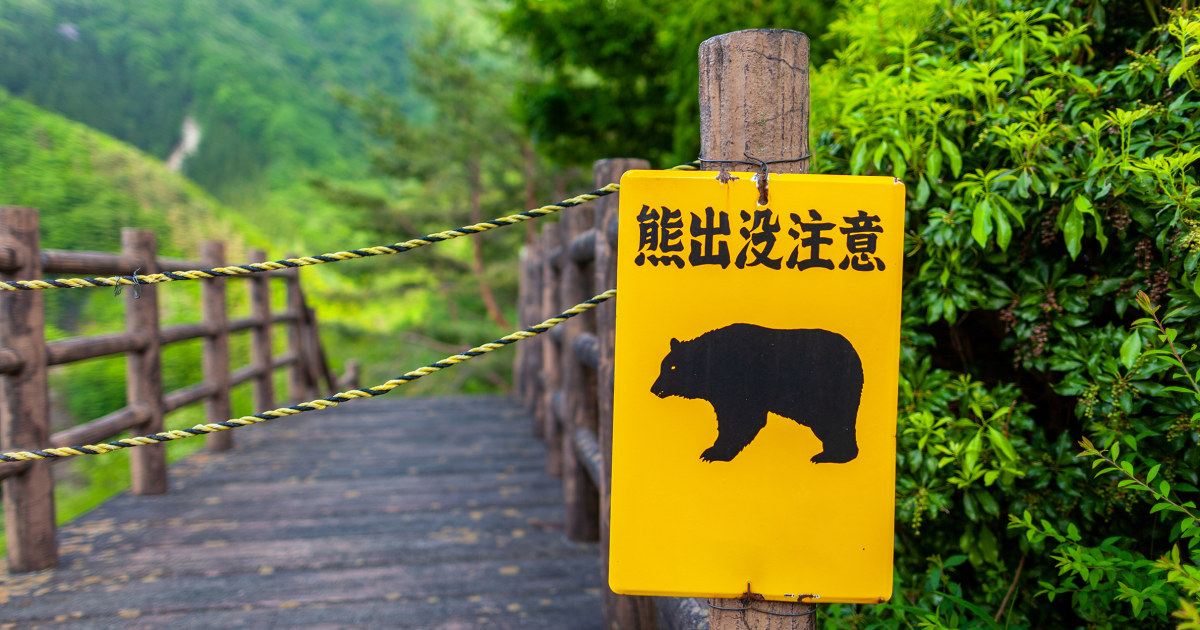
The Rising threat of Bear Encounters in Japan: A Community Grapples with Fear adn finding Solutions
The tranquil landscapes of Japan are facing an unsettling reality: a surge in bear attacks. What was once a rare occurrence is now a growing concern for residents, particularly in regions like Akita Prefecture. This isn’t simply a wildlife issue; its a challenge impacting daily life,livelihoods,and the sense of security within communities.
A Baker’s Story: The Lasting Impact of Trauma
Keiji Minatoya, a 68-year-old baker, embodies the human cost of this escalating problem.He recounts a terrifying encounter last October where a bear attacked him while he was opening his shop. Remarkably, he survived, but not without enduring a severe injury – a portion of his ear was bitten off.
“Lobe was bitten off,and it still hurts,” Minatoya shared,highlighting the persistent physical reminder of the trauma. Even when he doesn’t consciously dwell on the attack,the daily pain serves as a constant,unwelcome memory.Consequently,Minatoya hasn’t reopened his shop,as his wife understandably lives in fear.He now delivers his baked goods to local stores, adapting his business to navigate the new reality.
Why Are bear Attacks Increasing?
Several factors contribute to this alarming trend.Experts point to a confluence of issues,including:
* Declining Bear Population Control: Conventional hunting practices have decreased in some areas,leading to a rise in bear numbers.
* Food Scarcity: Poor acorn harvests, a primary food source for bears, drive them closer to human settlements in search of sustenance.
* Aging Population & Rural Decline: Abandoned farmland and thinning forests create more accessible pathways for bears to enter populated areas.
* Climate Change: Altered weather patterns can disrupt natural food cycles, exacerbating food scarcity for bears.
A Multi-Faceted Response: From Drones to Emergency Regulations
Authorities are responding with a range of measures to mitigate the risk. These include deploying hunters, riot police, and even military personnel to affected areas. Innovative techniques are also being employed:
* Drone Technology: Drones emitting dog-like barks are used to deter bears.
* Strategic Trapping: Traps baited with honey are strategically placed to capture bears.
* Mechanical Deterrents: Robotic wolves are deployed to frighten bears away from populated areas.
Moreover, both brown and black bears have been officially designated as “controlled animals.” Recent emergency rule changes now permit police officers to shoot bears, though military personnel currently do not have this authority.
Protecting yourself: What You Can do
If you live in or travel to areas with known bear activity, taking precautions is crucial. Consider these safety measures:
* Make Noise: Carry and use bear bells,alarms,or whistles while hiking or walking in wooded areas.
* Be Aware of Your Surroundings: Scan for bear signs like tracks, scat, or claw marks on trees.
* Travel in Groups: Bears are less likely to approach larger groups of people.
* Store Food Properly: Secure food and garbage in bear-resistant containers.
* stay Informed: Check local advisories and warnings before venturing outdoors.
* Consider Staying Indoors: During peak bear activity times, or if you feel uneasy, it’s best to remain inside.
The situation in Japan underscores the complex challenges of human-wildlife coexistence. It requires a collaborative effort – from government agencies and local communities to individual citizens – to find enduring solutions that prioritize both human safety and the preservation of these majestic creatures. The goal isn’t simply to eliminate the threat, but to learn to live alongside bears responsibly and respectfully.


