Tokyo is carefully considering a potential military response to escalating tensions in the Strait of Hormuz, following a request from the United States for allies to contribute to safeguarding the vital shipping lane. While not dismissing the possibility of deploying warships, Japanese officials are emphasizing the need for cautious deliberation, acknowledging the complex geopolitical landscape. This comes as concerns mount over potential disruptions to global energy supplies, with approximately 20% of the world’s oil passing through the strait daily. The situation highlights the delicate balance Japan must strike between its alliance with the US and its commitment to regional stability.
The discussion within Japan centers around Article 82 of the country’s Self-Defense Forces Law, which could legally authorize a maritime security operation. However, senior figures within the ruling Liberal Democratic Party (PLD) are stressing that any decision will be made with extreme prudence, given the ongoing conflict in the region. This measured response reflects Japan’s historically cautious approach to military intervention and its reliance on diplomatic solutions. The potential deployment of Japanese naval forces to the Strait of Hormuz is a significant development, signaling a willingness to potentially take a more assertive role in safeguarding its economic interests.
Trump Administration’s Call for International Support
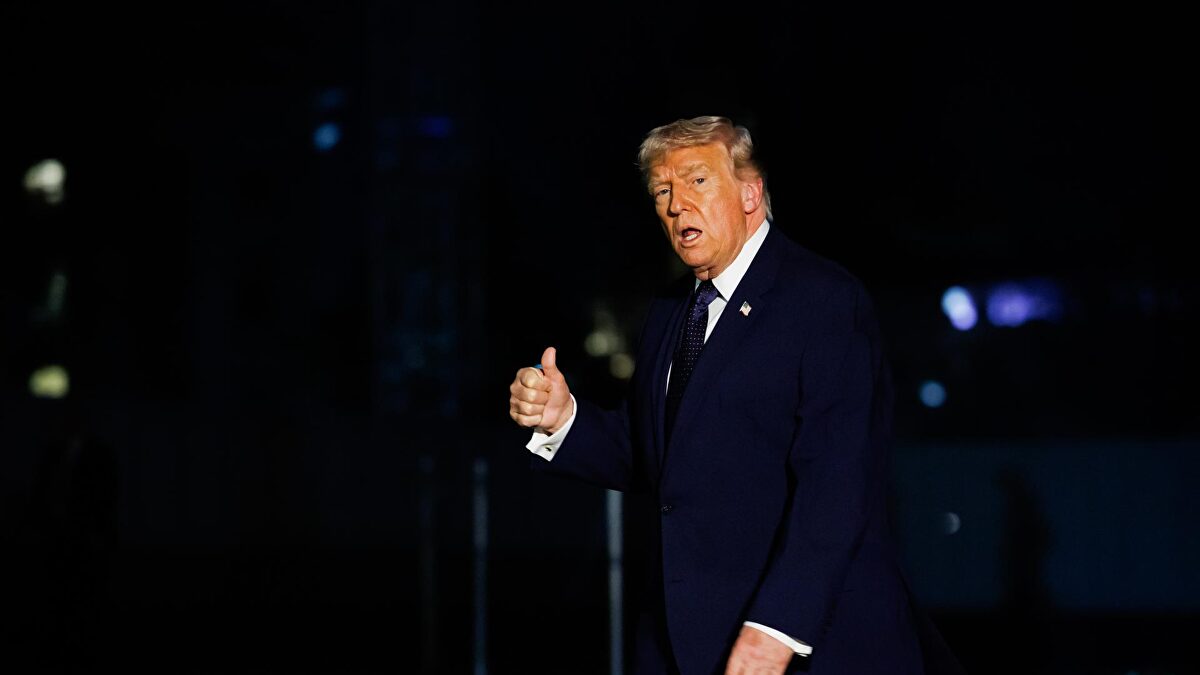
The impetus for this discussion stems from a public appeal made by US President Donald Trump, urging allies including China, France, Japan, South Korea, and the United Kingdom to dispatch warships to the Strait of Hormuz. Trump’s call came after the new supreme leader of Iran, Mojtaba Khamenei, announced the potential closure of the strategic waterway, raising fears of a major disruption to global oil markets. The Trump administration views a multinational naval presence as crucial to deterring Iranian aggression and ensuring the free flow of commerce through the strait.
The White House is reportedly considering the formation of an international coalition to patrol the area, with Treasury Secretary Scott Bessent having already raised the possibility. This initiative aims to reassure global markets and prevent a potential energy crisis. However, securing broad international support for such a coalition remains a challenge, as many nations are hesitant to become directly involved in a potentially volatile situation. The US is actively lobbying its allies to participate, emphasizing the shared economic interests at stake.
Japan’s Deliberate Approach and Legal Considerations
Takayuki Kobayashi, head of the policy council of the PLD, articulated Japan’s position during a program on NHK television, stating, “Legally, we do not rule out the possibility of issuing a maritime security order under Article 82 of the Self-Defense Forces Law, but given the ongoing conflict, we must develop a decision with caution.” Kobayashi further emphasized that the threshold for deploying Japanese warships to the region is “very high,” indicating a reluctance to commit military resources without a clear and present danger. This cautious stance is rooted in Japan’s post-war pacifist constitution and its preference for non-military solutions to international disputes.
Article 82 of the Self-Defense Forces Law allows for the deployment of Japanese forces to protect maritime traffic, but its application requires careful consideration of the legal and political implications. Any decision to deploy warships would need to be approved by the Japanese Diet (parliament) and would likely be subject to intense public debate. The Japanese government is currently assessing the evolving situation in the Middle East and weighing the potential risks and benefits of military intervention. This assessment includes consultations with key allies, including the United States, and a thorough evaluation of the potential impact on Japan’s economic interests.
The Strategic Importance of the Strait of Hormuz
The Strait of Hormuz, a narrow waterway connecting the Persian Gulf to the Gulf of Oman and the Arabian Sea, is one of the world’s most strategically important chokepoints for oil transportation. According to the U.S. Energy Information Administration, approximately 21 million barrels of oil were shipped through the strait each day in 2023. A disruption to this flow of oil could have severe consequences for the global economy, leading to higher energy prices and potential supply shortages. This represents why the security of the Strait of Hormuz is a top priority for many countries, including Japan, which relies heavily on oil imports from the Middle East.
The potential for conflict in the region has been heightened by escalating tensions between the United States and Iran, particularly following the US withdrawal from the Joint Comprehensive Plan of Action (JCPOA), commonly known as the Iran nuclear deal, in 2018. Iran has repeatedly threatened to close the Strait of Hormuz in response to sanctions imposed by the US and its allies. While the actual feasibility of completely closing the strait is debatable, even a partial disruption could have a significant impact on global oil markets. The international community is therefore closely monitoring the situation and seeking ways to de-escalate tensions and ensure the continued flow of oil through the strait.
Economic Implications for Japan
Japan’s economy is particularly vulnerable to disruptions in oil supplies due to its heavy reliance on imports from the Middle East. In 2022, Japan imported approximately 90% of its crude oil from the region, according to data from the Ministry of Economy, Trade and Industry (METI). METI’s data shows Saudi Arabia, the United Arab Emirates, and Kuwait are key suppliers. A significant increase in oil prices or a prolonged disruption to supplies could have a detrimental effect on Japan’s economic growth and industrial competitiveness. This is a major factor driving the Japanese government’s cautious but deliberate approach to the situation in the Strait of Hormuz.
Beyond oil, the Strait of Hormuz is also a crucial transit route for liquefied natural gas (LNG) and other essential commodities. Any disruption to these shipments could further exacerbate Japan’s economic challenges. The Japanese government is actively exploring alternative sources of energy and diversifying its supply chains to reduce its dependence on the Middle East. However, these efforts will take time to yield results, making the security of the Strait of Hormuz a critical concern in the short to medium term. The potential for a military deployment is therefore being weighed against the economic risks of inaction.
Key Takeaways
- Japan is considering a potential military response to escalating tensions in the Strait of Hormuz, at the request of the United States.
- The decision hinges on Article 82 of Japan’s Self-Defense Forces Law and requires careful deliberation due to the complex geopolitical situation.
- The Strait of Hormuz is a vital waterway for global oil supplies, with approximately 20% of the world’s oil passing through it daily.
- Japan’s economy is particularly vulnerable to disruptions in oil supplies due to its heavy reliance on imports from the Middle East.
- The Japanese government is prioritizing a cautious approach, balancing its alliance with the US with its commitment to regional stability.
As the situation in the Strait of Hormuz continues to evolve, Japan will likely maintain its cautious approach, closely monitoring developments and coordinating with its allies. The next key development will be further consultations between Japanese and US officials to assess the feasibility and implications of a potential military deployment. Readers are encouraged to follow updates from official government sources, such as the Japanese Ministry of Foreign Affairs and the US Department of Defense, for the latest information. Share your thoughts on this critical geopolitical issue in the comments below.
Worth a look