
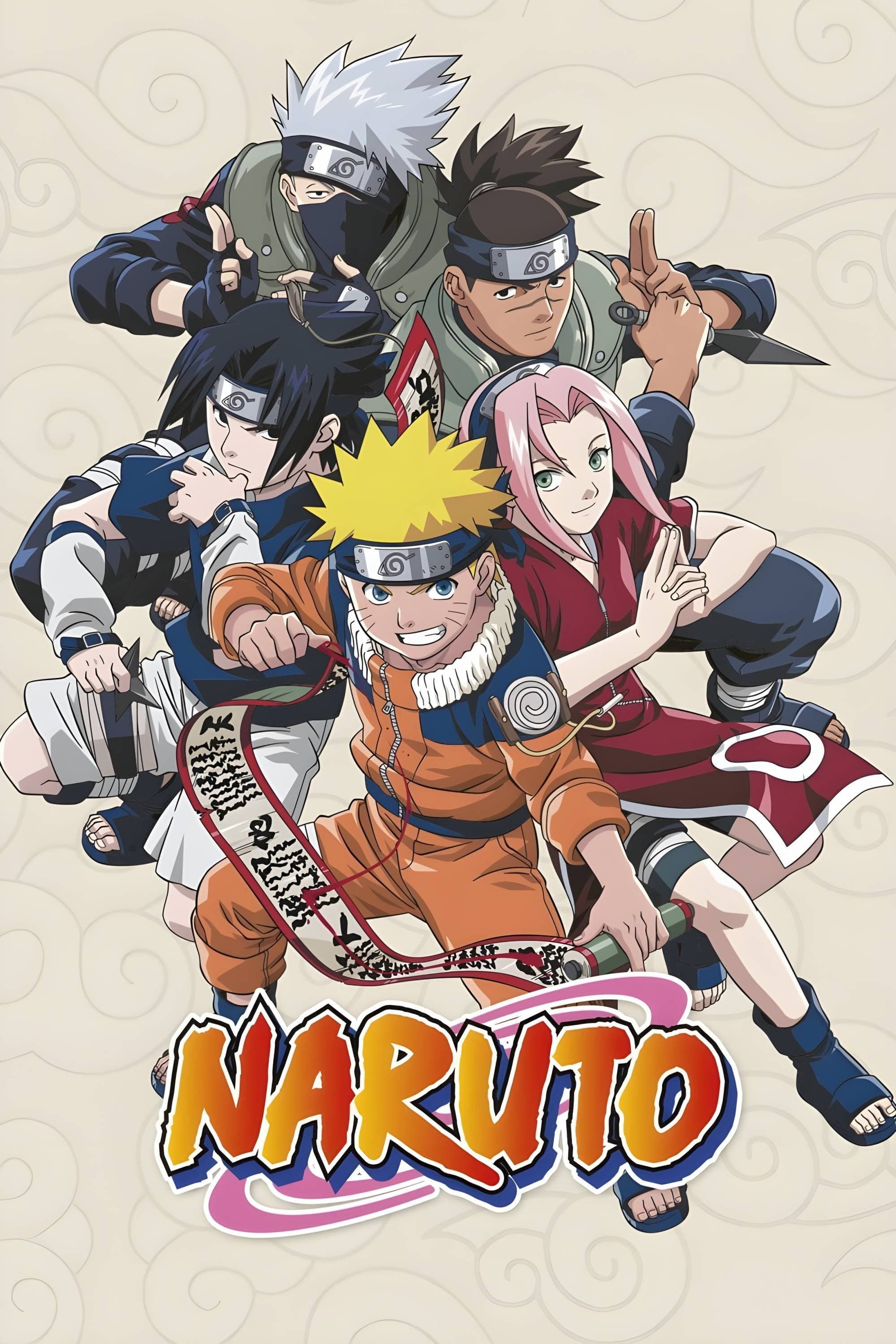
Japan’s Minister of Economic Security, Kiichiro Onoda, has formally requested that representatives of former U.S. President Donald Trump adhere to proper intellectual property protocols following the unauthorized use of Japanese animated characters in social media content. The Japanese government has communicated its concerns to the American side on multiple occasions, emphasizing that the use of copyrighted material—specifically characters from globally recognized franchises like Naruto—requires explicit permission from the original creators or rights holders.
The diplomatic focus on international copyright enforcement comes after several videos featuring edited clips of Japanese anime characters were shared via accounts associated with the former U.S. President. These posts, which frequently overlay political messaging with imagery from intellectual properties such as Naruto, Yu-Gi-Oh!, and Pokémon, have sparked discussions regarding the intersection of digital political campaigning and international copyright law. According to statements provided by the Ministry of Economy, Trade and Industry (METI), the Japanese government maintains a firm stance that the use of such assets without authorization is inconsistent with established norms.
Government Stance on Intellectual Property Rights
Minister Onoda’s intervention highlights a growing tension between the viral nature of social media political content and the stringent protections afforded to Japan’s creative industries. Under Japanese law, the Copyright Act of Japan provides creators with moral and economic rights, which generally mandate that any secondary usage of protected characters must be cleared through licensing agreements. While international copyright treaties, such as the Berne Convention, provide a framework for cross-border protection, enforcement remains a complex challenge in the digital age.
The Ministry of Foreign Affairs and the Ministry of Economy, Trade and Industry have indicated that they have reached out to the U.S. side to clarify these expectations. The goal, according to government officials, is to ensure that Japan’s “Soft Power”—a key pillar of its international cultural strategy—is not diminished or improperly utilized in foreign political discourse. By addressing these instances directly, Tokyo is signaling that it expects adherence to domestic and international intellectual property standards, regardless of the political platform involved.
The Role of Japanese Cultural Exports in Digital Media
The usage of characters from franchises like Naruto and Pokémon in political videos underscores the immense reach of Japanese media. These characters are not merely entertainment assets; they represent significant economic value and cultural identity. When these images are co-opted for political messaging, it creates a potential association that rights holders—who typically maintain neutral or apolitical brand stances—did not authorize.
Experts in digital media regulation point out that this situation reflects a broader trend of “remix culture,” where political influencers leverage pop culture to increase engagement. However, the World Intellectual Property Organization (WIPO) notes that the unauthorized modification of copyrighted works for political parody or campaign advocacy remains a contentious area of law. For Japanese rights holders, the primary concern is the potential for brand dilution or the creation of unintended political alignments that could affect their global market standing.
International Precedent and Regulatory Challenges
This incident is not the first time political figures have faced scrutiny for the unauthorized use of music or visual media. Historically, artists have frequently issued cease-and-desist orders against political campaigns that utilize their work without consent. What distinguishes this case is the involvement of a national government acting on behalf of its creative industry sector, elevating a copyright dispute to the level of diplomatic communication.
The Japanese government has not indicated that it intends to pursue legal action in U.S. courts at this time. Instead, the current strategy relies on administrative guidance and diplomatic dialogue to encourage compliance. According to reports from the Prime Minister’s Office, the government will continue to monitor how Japanese intellectual property is utilized in international digital spaces. Any future developments regarding this matter will likely depend on the responsiveness of the organizations managing the former President’s social media output and the continued vigilance of Japanese rights holders in reporting unauthorized usage.
As the situation remains fluid, observers expect that the Japanese government may issue further guidance to domestic companies on how to handle similar unauthorized uses of their intellectual property by foreign political entities. Readers interested in the official stance of the Japanese government regarding copyright and cultural diplomacy are encouraged to monitor updates from the Ministry of Economy, Trade and Industry for future policy statements or advisory notifications.
Keep reading
- Denise Richards’ Unrecognizable New Look After Plastic Surgery
- G-BA Drug Decisions: What 74 Million Insured Germans Need to Know About Prescriptions
- Trump Administration Begins Systematic Appropriation of Japanese Manga (newsdirectory3.com)
- BP Q2 Profit Hits $5.7 Billion Amid Trump Criticism of Big Oil Windfalls (time.news)