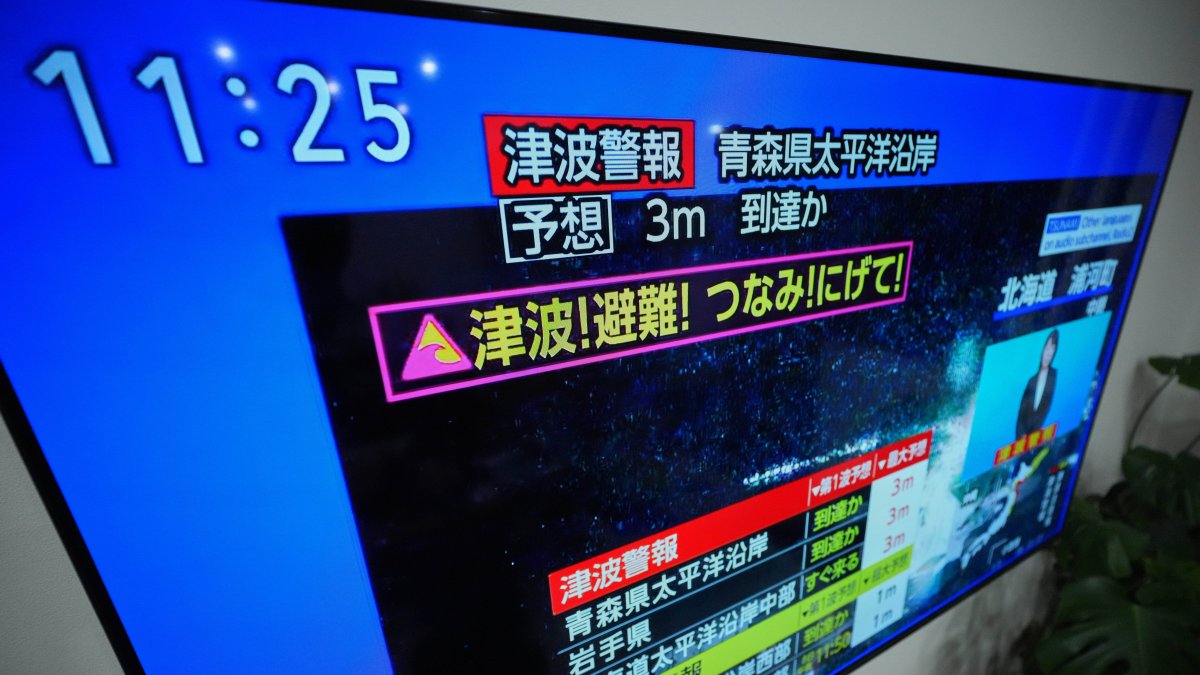
Major Earthquake Triggers Tsunami warning in Japan: What You Need to Know
A powerful 7.6 magnitude earthquake struck Japan on Monday, prompting a tsunami warning and raising concerns across the region.The quake, as reported by the United States Geological Survey (USGS), has put authorities and residents on high alert.Understanding the situation and potential risks is crucial, and this guide will provide you with the latest information and what you should do.
The Earthquake and Initial Impact
The earthquake’s epicenter was located off the coast of Aomori and Hokkaido prefectures in Japan. it occurred at a depth that contributed to the widespread shaking felt across a large area. Initial reports indicate moderate to strong shaking in coastal regions, and the immediate aftermath has focused on assessing potential damage and preparing for a possible tsunami.
tsunami Warning Details
Japan’s meteorological Agency promptly issued a tsunami warning for coastal areas following the earthquake. Currently, the warning advises residents to prepare for waves potentially reaching up to 3 meters (approximately 10 feet) in height. This is a critically important threat, and swift action is vital.
Here’s what you need to know about the tsunami warning:
* Affected Areas: Coastal regions of Aomori and Hokkaido are under the highest alert.
* Wave Height: Potential wave heights of up to 3 meters (10 feet) are anticipated.
* Evacuation Orders: Local authorities are issuing evacuation orders for vulnerable coastal communities. You should heed these warnings immediately.
* Ongoing Monitoring: The situation is dynamic, and the tsunami warning may be updated as more data becomes available.
What You Should Do Now
If you are in the affected areas, your safety is the top priority. Here’s a breakdown of essential steps to take:
- Heed Evacuation Orders: If authorities issue an evacuation order, leave immediately for higher ground. Don’t hesitate.
- Move Inland: Even without a specific order, if you are near the coast, move inland to a safe location.
- Stay Informed: Monitor official news sources and local authorities for updates on the situation.
- Prepare an Emergency Kit: If you have time,gather essential supplies like water,food,a flashlight,and a first-aid kit.
- Be Aware of Aftershocks: Aftershocks are common after a major earthquake. Be prepared for additional shaking and potential damage.
Understanding Earthquake and Tsunami Risks in Japan
Japan is located in a highly seismically active zone known as the “Ring of fire.” This makes the country especially vulnerable to earthquakes and tsunamis. The Japanese government has invested heavily in earthquake preparedness and early warning systems. Though, understanding the risks and knowing how to respond is crucial for everyone living in or visiting the region.
I’ve spent years studying seismic activity and disaster preparedness, and one thing is clear: being informed and prepared can significantly increase your chances of staying safe.
Looking Ahead: Ongoing Monitoring and Potential Impacts
Seismologists and disaster response teams are closely monitoring the situation.They are analyzing data to assess the full extent of the earthquake’s impact and refine tsunami forecasts. Further aftershocks are expected, and the potential for damage to infrastructure remains a concern.
We can anticipate the following in the coming hours and days:
* Damage Assessments: Teams will be deployed to assess damage to buildings, roads, and other infrastructure.
* Tsunami Monitoring: Continuous monitoring of sea levels will be conducted to track tsunami wave activity.
* Aid and Support: If significant damage occurs, aid and support will be mobilized to assist affected communities.
Evergreen insights: Earthquake and Tsunami Preparedness
Beyond this specific event, it’s vital to be prepared for future earthquakes and tsunamis. Here are some timeless insights:
* Develop a Family Emergency Plan: Discuss evacuation routes, meeting points, and interaction strategies with your