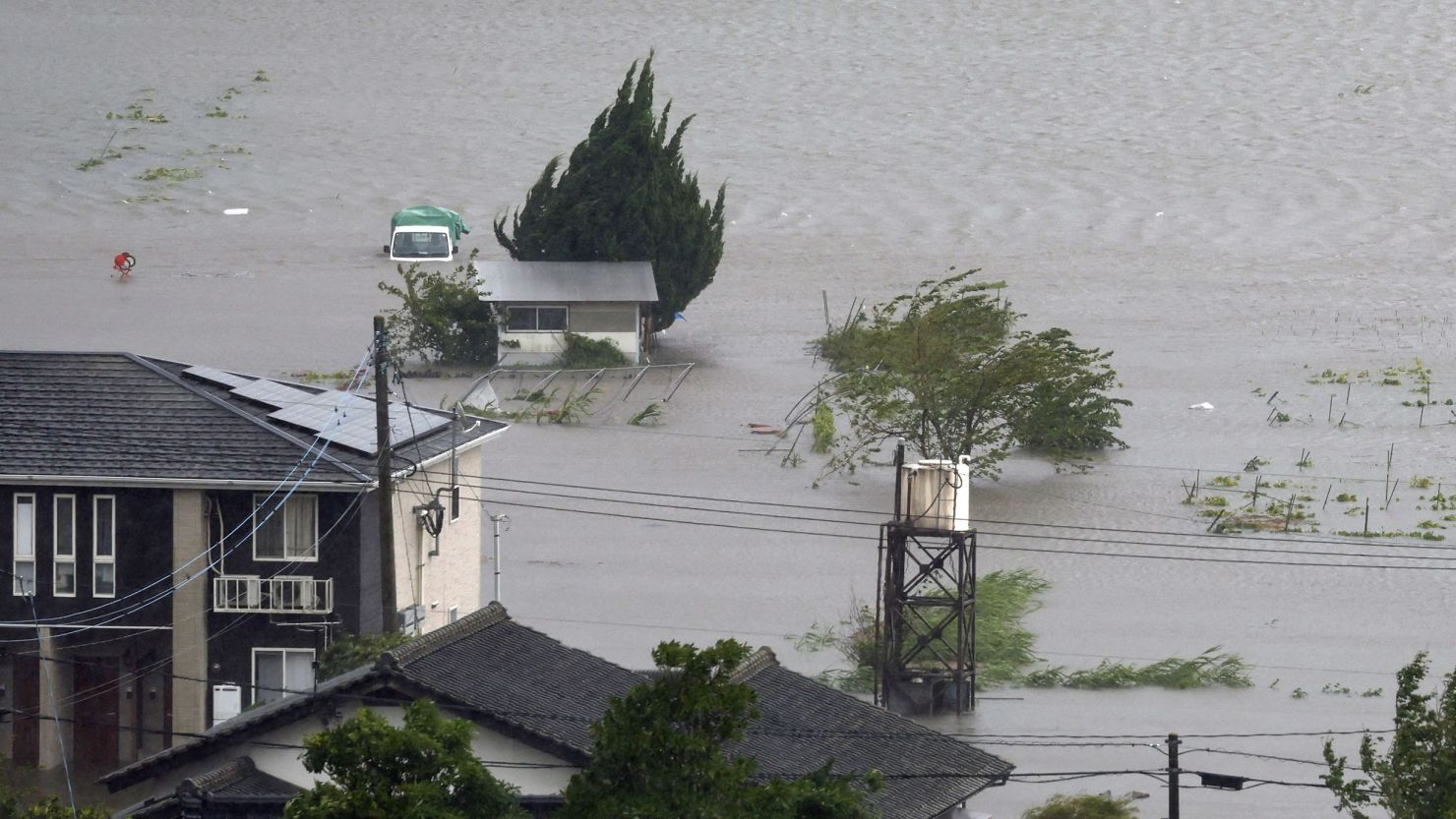
Heavy rain and the approach of Typhoon 7 are expected to cause widespread highway closures across Japan, impacting major routes including the Meishin, Tomei, and Shin-Tomei expressways. NEXCO authorities have warned of potential disruptions starting June 26 and continuing through the weekend, urging travelers to monitor real-time weather and traffic updates before departing to avoid significant delays or stranded conditions.
Nippon Expressway Company (NEXCO) officials have issued several advisories regarding potential road closures due to extreme weather conditions. The disruptions, driven by both localized heavy rainfall and the movement of Typhoon 7, affect major transport arteries in both the Western and Eastern regions of the country. Travelers should prepare for intermittent shutdowns and restricted access to key segments of the national expressway network.
Which Japanese expressways face potential closures?
Multiple major expressway segments are currently under threat of closure or have experienced temporary shutdowns. According to reports from TBS News Dig, the Meishin Expressway is facing potential closures within Shiga Prefecture starting from the night of June 26. This route is a critical link in the Kansai region, and disruptions there could significantly impact logistics and passenger travel through central Japan.
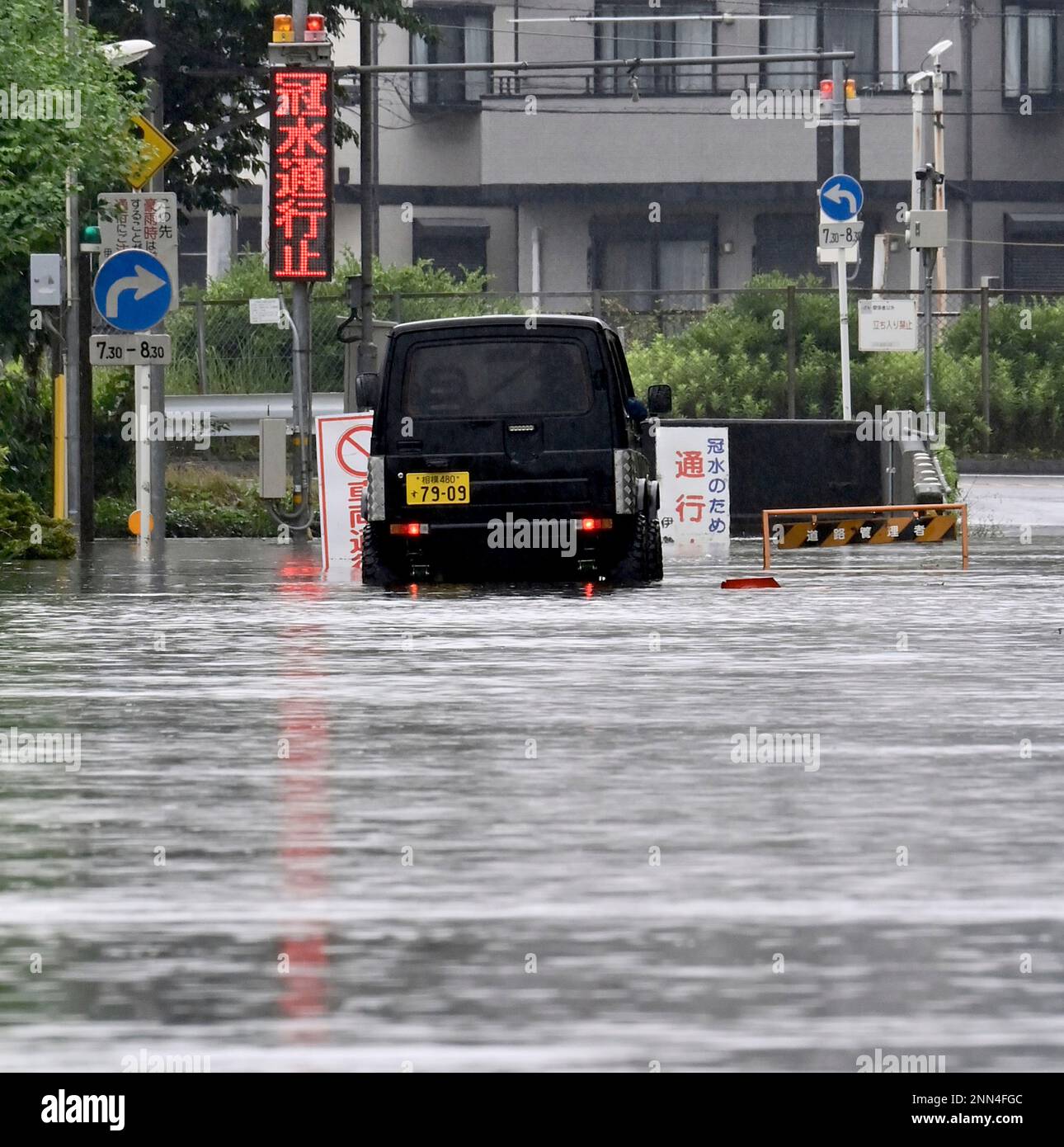
In the Tokai region, specific closures have already been reported. Kyoto Shimbun Digital and Chunichi Shimbun Web have reported that the Tokai Kanjudo has experienced temporary closures between the Motosu Interchange (IC) and the Yamagata Interchange (IC) due to heavy rainfall. These closures are often implemented to prevent accidents caused by reduced visibility or hydroplaning risks during intense downpours.
Looking ahead to the weekend, the threat extends to the most heavily trafficked corridors in Japan. Information released by NEXCO East indicates that the Tomei Expressway and the Shin-Tomei Expressway may face closures starting Saturday, June 27. These routes serve as the primary connection between the Tokyo metropolitan area and central Japan, making any weather-related shutdown a major event for national commerce and travel.
Regional updates from NEXCO West and NEXCO East
The scale of the weather threat is being managed through regional divisions of the expressway operator. NEXCO West issued an updated advisory on June 26 at 12:00 PM, highlighting sections where heavy rain could lead to imminent road closures. Their focus remains on the western half of Japan, where rainfall intensity has been a primary concern for road safety and slope stability.

Simultaneously, NEXCO East released a warning on June 25 at 3:00 PM regarding the potential impact of Typhoon 7. Their assessment suggests that as the typhoon progresses, the risk to the eastern highway network increases. The timing of these advisories reflects a coordinated effort to provide travelers with as much lead time as possible before weather systems arrive in specific prefectures.
The following table summarizes the reported and potential impacts based on current advisories:
| Expressway Segment | Location/Region | Status/Potential Impact | Primary Cause |
|---|---|---|---|
| Meishin Expressway | Shiga Prefecture | Potential closure from June 26 night | Heavy rain/Typhoon 7 |
| Tokai Kanjudo | Motosu IC – Yamagata IC | Temporary closure reported | Heavy rain |
| Tomei & Shin-Tomei | Central/Eastern Japan | Potential closures from June 27 | Typhoon 7 |
Why heavy rain and typhoons impact Japanese highway safety
The decision to close expressways in Japan is typically based on several critical safety factors monitored by NEXCO and meteorological agencies. Heavy rainfall, particularly when concentrated in short periods, increases the risk of landslides in mountainous areas, which are common along many of Japan’s major highway routes. Even if a landslide does not occur, the saturation of soil can lead to debris falling onto the roadway.

Typhoon 7 brings additional complications, including high winds and extreme visibility issues. High-profile vehicles, such as trucks and buses, are particularly vulnerable to sudden wind gusts on elevated sections of the highway. Furthermore, the intense precipitation associated with typhoons can lead to flash flooding on road surfaces, making driving conditions hazardous for all vehicle types.
Authorities prioritize these closures to prevent multi-vehicle accidents and to ensure that emergency services can operate without obstruction. When NEXCO implements a closure, it is often a proactive measure to clear the road before conditions become unmanageable.
How to monitor traffic and weather updates
Because weather conditions and road statuses can change within minutes, travelers are advised to rely on official, real-time data rather than static schedules. NEXCO provides continuous updates through their regional websites, which offer the most accurate information regarding specific interchange closures, congestion levels, and estimated reopening times.
Drivers should utilize the following resources before beginning any long-distance journey:
- NEXCO West Official Traffic Information: For updates in the Kansai, Chugoku, and Shikoku regions.
- NEXCO East Official Traffic Information: For updates in the Kanto and Tohoku regions.
- Japan Meteorological Agency (JMA): For real-time typhoon tracking and heavy rain warnings.
- Real-time Navigation Apps: To monitor sudden congestion or detours caused by unexpected closures.
If you are traveling through the affected areas, ensure your vehicle is prepared for potential delays. It is recommended to carry sufficient fuel and supplies in case a closure results in being rerouted through slower, local roads.
Official weather and traffic advisories are expected to be updated as Typhoon 7 approaches the coast. Travelers should check the latest NEXCO announcements before June 27 to confirm the status of the Tomei and Shin-Tomei expressways.
Do you have questions about specific routes or travel planning during this weather event? Share your thoughts or updates in the comments below, and please share this article to help keep others informed.
Worth a look