Japan’s Inflation Cools, Providing Political Boost to Prime Minister Takaichi
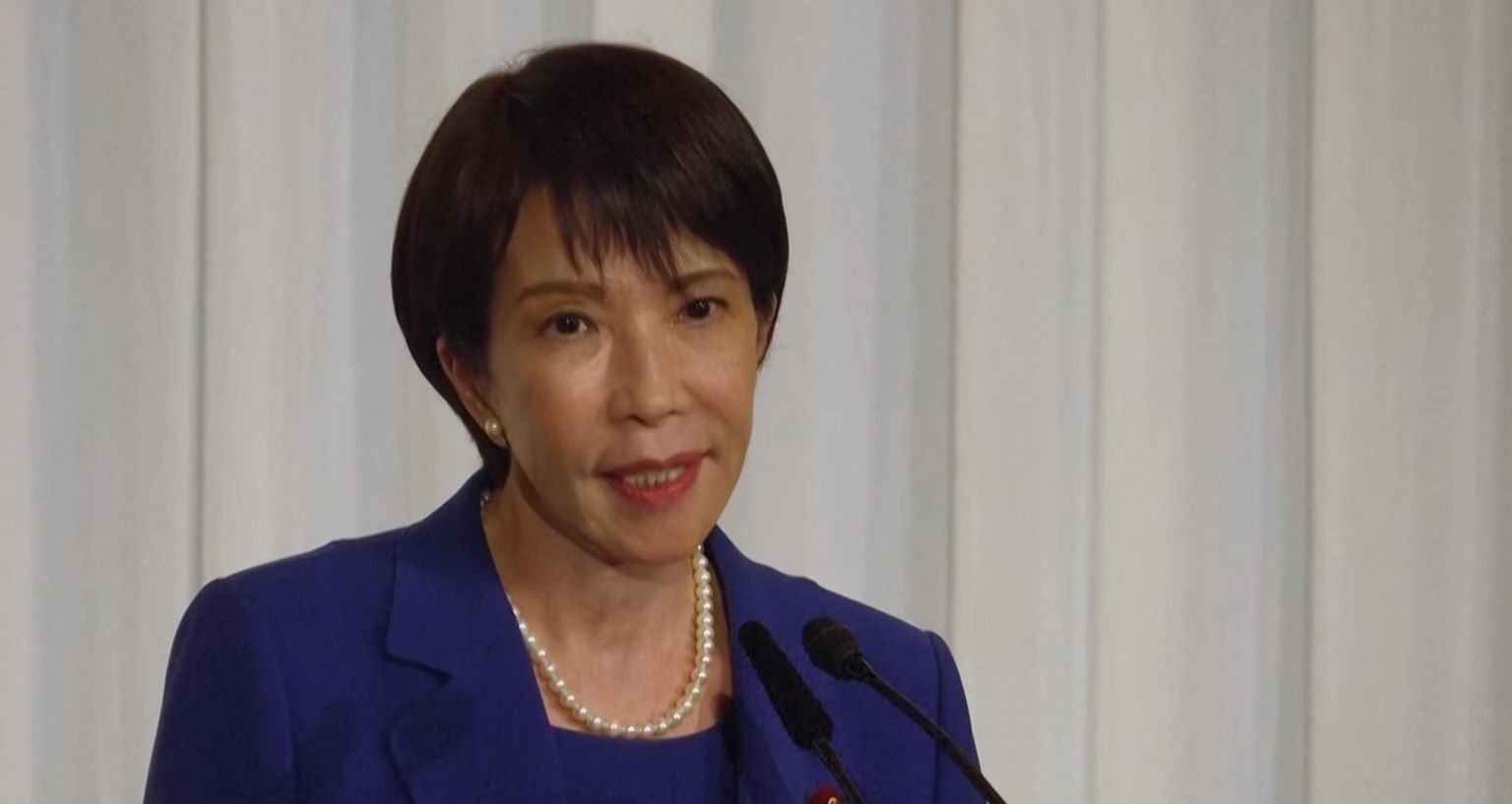
Tokyo, Japan – Japan’s inflation rate slowed to 2.1% in January, marking the lowest level since March 2022, according to recently released government data. This easing of price pressures comes as a welcome development for Prime Minister Sanae Takaichi, who secured a landslide victory in snap elections earlier this month and has prioritized tackling the rising cost of living. The slowdown in inflation offers a potential reprieve for Japanese households grappling with increased expenses, particularly for essential goods like rice, and strengthens Takaichi’s position as she begins her new term.
Soaring prices have been a significant political challenge in Japan, contributing to the downfall of Takaichi’s two immediate predecessors. Her commitment to addressing inflation was central to her election campaign, and the latest figures provide early evidence that her policies may be having an effect. However, even as overall inflation is decreasing, the cost of food remains stubbornly high, presenting a continuing concern for consumers and policymakers alike. The economic landscape is further complicated by Japan’s substantial national debt and the need for sustainable fiscal policies.
The data reveals a nuanced picture of Japan’s economic recovery. Excluding fresh food, so-called “core” consumer prices rose 2.0% year-on-year in January, a decrease from 2.4% in December and aligning with market expectations. Stripping out both fresh food and energy prices, inflation further eased to 2.6% from 2.9% the previous month, exceeding median forecasts of 2.7%. Overall consumer prices increased by 1.5% compared to 2.1% in December, a larger drop than anticipated. CNBC reports that these figures represent the 45th consecutive month that inflation has remained above the Bank of Japan’s 2% target.
Rice Prices Remain Elevated Despite Declining Inflation
While the overall inflation rate has cooled, the price of rice – a staple food in Japan – continues to be a significant concern. Despite a seventh consecutive month of decline, rice inflation stood at 34.4% in December, and prices remain near record highs. According to data from Japan’s agriculture ministry, the average price of a 5-kilogram bag of rice was 4,267 yen as of January 11, 2026. This sustained high cost of rice is disproportionately impacting lower-income households and contributing to broader anxieties about the cost of living. The surge in rice prices, which doubled in the past year, underscores the vulnerability of Japan’s food supply chain and the challenges of maintaining affordability for essential goods.
Government subsidies have helped to mitigate rising fuel costs, with petrol prices falling by 14.6% in January. However, the cost of food, excluding fresh produce, rose by 6.2%, highlighting the uneven impact of inflation across different sectors of the economy. This disparity underscores the need for targeted policies to address specific price increases and protect vulnerable populations.
Takaichi’s Policy Address and Economic Plans
Prime Minister Takaichi formally addressed parliament on Friday, outlining her economic agenda and reaffirming her commitment to addressing inflation. She was formally reappointed as prime minister on Wednesday, February 17, 2026, ten days after her Liberal Democratic Party (LDP) secured a landslide victory in the snap lower house elections on February 8, 2026. The LDP won a two-thirds majority, granting Takaichi a strong mandate to implement her policies. The Independent reports that a poll by the Yomiuri newspaper published Friday indicated support for Takaichi’s cabinet at 73%, a six-percentage-point increase and her highest approval rating to date.
A key pledge during her campaign was a two-year suspension of the consumption tax on food, aimed at providing immediate relief to households struggling with rising prices. However, this proposal has raised concerns about Japan’s already substantial national debt, with yields on long-dated government bonds reaching record highs last month. Takaichi has repeatedly emphasized her commitment to a “responsible, proactive” fiscal policy and promised to reduce debt, attempting to reassure markets about her economic management. She also announced the creation of a cross-party “national council” to discuss taxation and address the challenges of funding Japan’s aging population and expanding social security system.
Securing approval for the fiscal year 2026 budget is Takaichi’s immediate priority, a process that was delayed by the recent election. She also intends to update Japan’s 10-year-vintage “Free and Open Indo-Pacific” (FOIP) strategic framework, signaling a continued focus on regional security and international cooperation. This update will likely reflect Japan’s evolving geopolitical priorities and its commitment to maintaining a stable and prosperous Indo-Pacific region.
Broader Economic Context and Challenges
Japan’s economic situation is complex, characterized by an aging population, persistent deflationary pressures, and a high level of government debt. While the recent slowdown in inflation is encouraging, We see crucial to maintain sustainable economic growth and address the underlying structural challenges facing the country. The Bank of Japan’s monetary policy will play a critical role in navigating this delicate balance, and its decisions will be closely watched by markets and policymakers alike.
The global economic outlook also presents challenges for Japan. Geopolitical tensions, supply chain disruptions, and fluctuating energy prices all contribute to uncertainty and could potentially impact Japan’s economic recovery. Maintaining strong international partnerships and diversifying supply chains will be essential for mitigating these risks.
The success of Takaichi’s economic policies will depend on her ability to balance the competing demands of addressing inflation, managing debt, and promoting sustainable growth. Her strong electoral mandate provides her with a significant opportunity to implement her vision for Japan’s economic future, but she will need to navigate a complex and challenging environment to achieve her goals.
The next key event to watch will be the parliamentary approval of the fiscal year 2026 budget, expected in the coming weeks. This will provide a clearer indication of Takaichi’s priorities and her commitment to fiscal responsibility. Readers can stay updated on developments through official government announcements and reports from reputable financial news sources.
What are your thoughts on Prime Minister Takaichi’s economic plans? Share your comments below and join the conversation.
Worth a look