Japan Prioritizes Investments in 61 Key Technologies to Bolster Economic Security
Tokyo, March 11, 2026 – The Japanese government, under the leadership of Prime Minister Sanae Takaichi, has announced a strategic initiative to prioritize investments in 61 products and technologies deemed crucial for strengthening the nation’s economic security and expanding its global market presence. The decision, reached during a meeting of the Council for Japan’s Growth Strategy on March 10th, signals a concerted effort to navigate a challenging geopolitical landscape and secure Japan’s future competitiveness. This move comes amid growing concerns over global supply chain vulnerabilities and increasing international competition, particularly in critical technology sectors.
The initiative focuses on 17 priority areas identified as vital for long-term economic growth. Draft roadmaps have been developed for 27 specific products and technologies, including artificial intelligence (AI) powered robotics, semiconductors, little drones, land-based aquaculture, video games, and next-generation ships. The government aims to foster collaboration between the public and private sectors to accelerate innovation and drive investment in these key areas. This comprehensive approach reflects a broader strategy to enhance Japan’s resilience and adaptability in a rapidly evolving global economy.
Semiconductor Ambitions: A New Target of ¥40 Trillion by 2040
A significant component of the plan centers on bolstering Japan’s semiconductor industry. Building on an existing goal to achieve ¥15 trillion in sales by 2030, the government has set a new, more ambitious target of ¥40 trillion in semiconductor sales by 2040. This reflects the critical importance of semiconductors to a wide range of industries, from automotive and consumer electronics to defense and infrastructure. The push for semiconductor dominance is also driven by global shortages experienced in recent years, highlighting the need for greater domestic production capacity and supply chain resilience.
The government intends to support the creation of demand for cutting-edge chips, with a particular focus on enabling mass production by Rapidus, a Tokyo-based semiconductor manufacturer. Rapidus, established in November 2022, is a consortium of Japanese companies aiming to develop and manufacture 2nm-class semiconductors. Efforts will also be directed towards enhancing the competitiveness of domestic manufacturing locations, attracting foreign investment, and fostering a skilled workforce. The government’s commitment to the semiconductor industry underscores its recognition of the sector’s strategic importance to Japan’s economic future.
AI Robotics, Drones, and Beyond: Diversifying Investment
Beyond semiconductors, the government is also prioritizing investment in other key technologies. In the field of AI-powered robotics, the goal is to secure a global market share exceeding 30%, comparable to that of the United States and China, and to cultivate a market worth ¥20 trillion by 2040. This ambition reflects the growing demand for automation across various industries, as well as Japan’s aging population and shrinking workforce. The development of advanced robotics is seen as crucial for maintaining productivity and competitiveness in the face of demographic challenges.
The plan also outlines a strategy for small drones, aiming to establish a domestic supply base of 80,000 units by 2030. These drones are envisioned for a range of applications, including logistics, infrastructure inspection, and even defense. The integration of drones into the defense sector highlights Japan’s increasing focus on strengthening its security capabilities in response to regional geopolitical tensions. The government’s support for drone technology is expected to stimulate innovation and create new economic opportunities.
Addressing Economic Headwinds and Prioritizing Growth
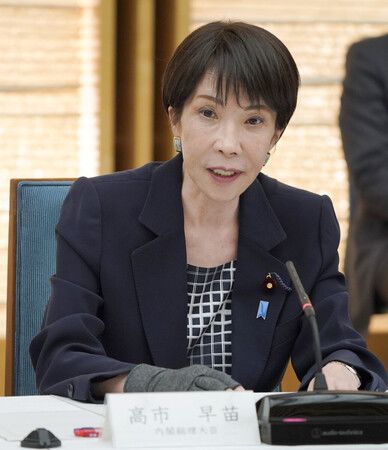
Prime Minister Takaichi emphasized the need to “identify winning strategies that Japan can adopt” during the Council meeting, instructing ministers to develop specific support measures and allocate investment funds accordingly. This announcement follows recent concerns about rising energy prices, as reported by Jiji Press on March 9th, where Takaichi pledged swift action to address the soaring crude oil market. The government is considering measures to mitigate the impact of higher gasoline, diesel, electricity, and gas rates, potentially utilizing funds from the fiscal 2026 budget.
The broader context of this investment strategy is Japan’s ongoing effort to stimulate economic growth and address long-standing structural challenges. The government is also focused on promoting women’s active participation in the workforce, as highlighted by Prime Minister Takaichi in a message on International Women’s Day, March 8th. Nippon.com reported that Takaichi stressed the importance of expanding opportunities for women to foster economic growth and create a more inclusive society. These initiatives demonstrate a holistic approach to economic policy, recognizing the interconnectedness of various factors influencing Japan’s prosperity.
Key Takeaways
- Strategic Investment: Japan is prioritizing investment in 61 key technologies across 17 sectors to bolster economic security.
- Semiconductor Focus: A new target of ¥40 trillion in semiconductor sales by 2040 underscores the industry’s strategic importance.
- AI and Robotics: The government aims for a 30% global market share in AI-powered robotics by 2040.
- Drone Expansion: Plans include establishing a domestic drone supply base of 80,000 units by 2030.
- Economic Resilience: The initiative is part of a broader effort to address economic headwinds and promote sustainable growth.
The success of this ambitious plan will depend on effective collaboration between the government and the private sector, as well as a continued commitment to innovation and technological advancement. The next key step will be the development of detailed implementation plans and the allocation of specific funding for each of the prioritized technologies. Further updates on the progress of these initiatives are expected in the coming months, as the government works to translate its strategic vision into tangible economic results.
Readers interested in learning more about Japan’s economic policies and investment strategies can identify additional information on the website of the Ministry of Economy, Trade and Industry (METI). We encourage you to share your thoughts on this important development in the comments below.
Worth a look
- Divorce, Mortgages, and Children: Legal Implications Explained
- Two Bodies Found in Arizona Backyard; Police Search for Missing Parents
- Kim Jong Un’s Sister Slams Japan As A Belligerent State Amid Military Buildup (newsdirectory3.com)
- California CPUC Rulemaking May Boost Behind-the-Meter Batteries and DERs (news-usa.today)