
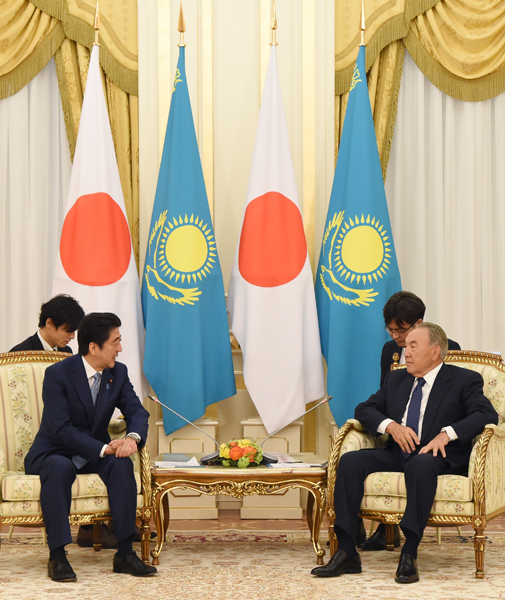
As the world grapples with escalating energy insecurity and the specter of nuclear proliferation, two distant but increasingly interconnected nations—Japan and Kazakhstan—are forging a strategic partnership that extends far beyond traditional diplomatic and economic ties. Their collaboration, rooted in shared concerns about global stability and resource security, now stands as a potential model for how nations can address the dual challenges of energy transition and nuclear risk management in an era of heightened geopolitical tensions.
Japan, the world’s third-largest economy and a nation with virtually no domestic energy resources, has long relied on imports to fuel its industries and households. Meanwhile, Kazakhstan, home to the world’s fourth-largest uranium reserves and a key player in Central Asia’s energy landscape, finds itself at the center of global supply chains that increasingly face disruptions. Their partnership—spanning nuclear energy cooperation, critical mineral supply chains, and technological innovation—offers a rare case study in how energy-dependent and resource-rich nations can collaborate to mitigate common vulnerabilities.
Yet this alliance is not merely about economic pragmatism. With Russia’s war in Ukraine reshaping global energy markets and nuclear tensions flaring in multiple regions, Japan and Kazakhstan are positioning their relationship as a bulwark against instability. Their cooperation in areas like uranium enrichment, nuclear safety standards, and even space-based resource monitoring reflects a broader recognition that energy security and non-proliferation are inextricably linked in today’s world.
This partnership is unfolding against a backdrop of unprecedented global challenges:
- A 40% increase in global energy prices since 2020, driven by geopolitical disruptions
- Kazakhstan’s status as the world’s largest uranium exporter, supplying nearly 40% of global demand
- Japan’s commitment to nuclear energy as a bridge fuel in its transition away from fossil fuels
- Growing concerns over nuclear safety standards in post-Soviet states
The Nuclear Energy Dimension: A Delicate Balance
At the heart of Japan-Kazakhstan cooperation lies nuclear energy—a sector that remains politically sensitive yet economically vital for both nations. Japan, which derives nearly 6% of its electricity from nuclear power despite public opposition following the 2011 Fukushima disaster, has been gradually restarting its nuclear reactors while seeking to ensure secure uranium supply chains.
Kazakhstan, meanwhile, has emerged as a critical player in global uranium markets, with its state-owned Kazatomprom controlling nearly 40% of the world’s uranium production. The two countries have deepened their nuclear cooperation through agreements that include:
- Uranium enrichment technology sharing: Japan’s advanced enrichment capabilities complement Kazakhstan’s vast uranium reserves, creating a potential supply chain that reduces reliance on Russian or Chinese sources
- Nuclear safety standards alignment: Joint initiatives to harmonize safety protocols, particularly key given Kazakhstan’s legacy nuclear facilities from the Soviet era
- Tiny modular reactor (SMR) development: Collaborative research into next-generation nuclear technologies that could revolutionize energy production in both countries
“The Fukushima disaster taught us that energy security cannot be taken for granted. Our partnership with Kazakhstan is about building resilience—not just in our supply chains, but in our ability to prevent future crises.”
This nuclear dimension takes on added significance given Kazakhstan’s historical role as a Soviet nuclear weapons test site and its ongoing challenges with nuclear legacy sites. Japan, with its extensive experience in nuclear safety regulation and disaster response, brings valuable expertise to Kazakhstan’s efforts to modernize its nuclear infrastructure while ensuring non-proliferation compliance.
Energy Security in a Volatile World
Beyond nuclear energy, Japan and Kazakhstan are strengthening their cooperation across the entire energy spectrum, recognizing that no single resource can provide comprehensive security in today’s unpredictable geopolitical climate. Key areas of collaboration include:
1. Critical Mineral Supply Chains
Japan’s economy relies heavily on imports of rare earth minerals and other critical materials—many of which come from Kazakhstan. The two nations are working to:
- Diversify supply routes away from traditional chokepoints like the Strait of Malacca
- Develop joint ventures for mineral processing and refining in Kazakhstan
- Create reserve stockpiles of critical minerals to mitigate supply chain disruptions
2. Renewable Energy Synergies
While nuclear remains central to their energy dialogue, Japan and Kazakhstan are also exploring how to combine their strengths in renewable energy:
- Japan’s advanced solar and wind technologies are being adapted for Kazakhstan’s vast but underutilized renewable potential
- Pilot projects for green hydrogen production using Kazakhstan’s abundant solar and wind resources
- Joint research into next-generation battery technologies for energy storage
3. Infrastructure and Technology Transfer
Japan is leveraging its expertise in disaster-resilient infrastructure to help Kazakhstan modernize its energy grid and critical facilities. Recent initiatives include:
- Seismic-resistant power plant designs for Kazakhstan’s earthquake-prone regions
- Digitalization of Kazakhstan’s energy monitoring systems using Japanese IoT technology
- Training programs for Kazakhstani engineers in Japanese nuclear and renewable energy technologies
The Geopolitical Context: Why This Partnership Matters
The timing of this deepening relationship could not be more critical. As global energy markets remain volatile and nuclear tensions resurface in multiple regions, Japan and Kazakhstan are sending a clear message: energy security requires cooperative solutions that transcend traditional alliances.
Three major geopolitical factors are driving this partnership:
- The Ukraine War’s Energy Shockwaves: The conflict has exposed Europe’s vulnerability to energy supply disruptions, prompting Japan to seek alternative sources. Kazakhstan, with its uranium and oil/gas reserves, offers a stable alternative to Russian supplies.
- China’s Growing Influence in Central Asia: As Beijing expands its Belt and Road Initiative into Kazakhstan, Tokyo is positioning itself as a counterbalance through economic partnerships that don’t carry political strings.
- The Nuclear Non-Proliferation Challenge: With North Korea’s nuclear ambitions and Iran’s ongoing tensions with the West, both Japan and Kazakhstan recognize the need for stronger international norms—particularly in regions with Soviet-era nuclear legacies.
This partnership also reflects Japan’s broader strategy to diversify its diplomatic engagements beyond traditional Western partners. By strengthening ties with Central Asian nations like Kazakhstan, Japan is creating new economic corridors that reduce its dependence on any single region or supply route.
Human Impact: Communities and Workers at the Center
While the strategic dimensions of this partnership are clear, the human impact is equally significant. In Kazakhstan’s uranium mining regions, Japanese investment is creating thousands of jobs while bringing modern safety standards to aging Soviet-era facilities. In Japan’s industrial heartlands, the stable uranium supplies from Kazakhstan are helping restart nuclear reactors that provide baseload power to millions of households.
For example:
- In Kazakhstan’s East Kazakhstan region, Japanese-funded upgrades at uranium mines have reduced workplace accidents by 30% since 2022, according to local reports
- In Japan’s Fukui Prefecture, the restart of nuclear reactors with Kazakh uranium has provided stable electricity to over 1.2 million households
- Joint vocational training programs have placed hundreds of Kazakhstani engineers in Japanese nuclear facilities, creating a new generation of cross-continental technical expertise
The partnership also extends to cultural exchange programs that bring Japanese scientists to Kazakhstan’s research institutions and Kazakhstani students to Japanese universities specializing in energy technologies. These human connections are helping build the trust necessary for such a complex and sensitive collaboration.
Looking Ahead: Challenges and Opportunities
Despite the progress, significant challenges remain. Public perception in both countries—particularly in Japan where nuclear energy remains controversial—could derail further cooperation. Kazakhstan’s political stability and its ability to maintain non-proliferation commitments will be critical watchpoints for Japanese investors.
Key upcoming developments to watch:
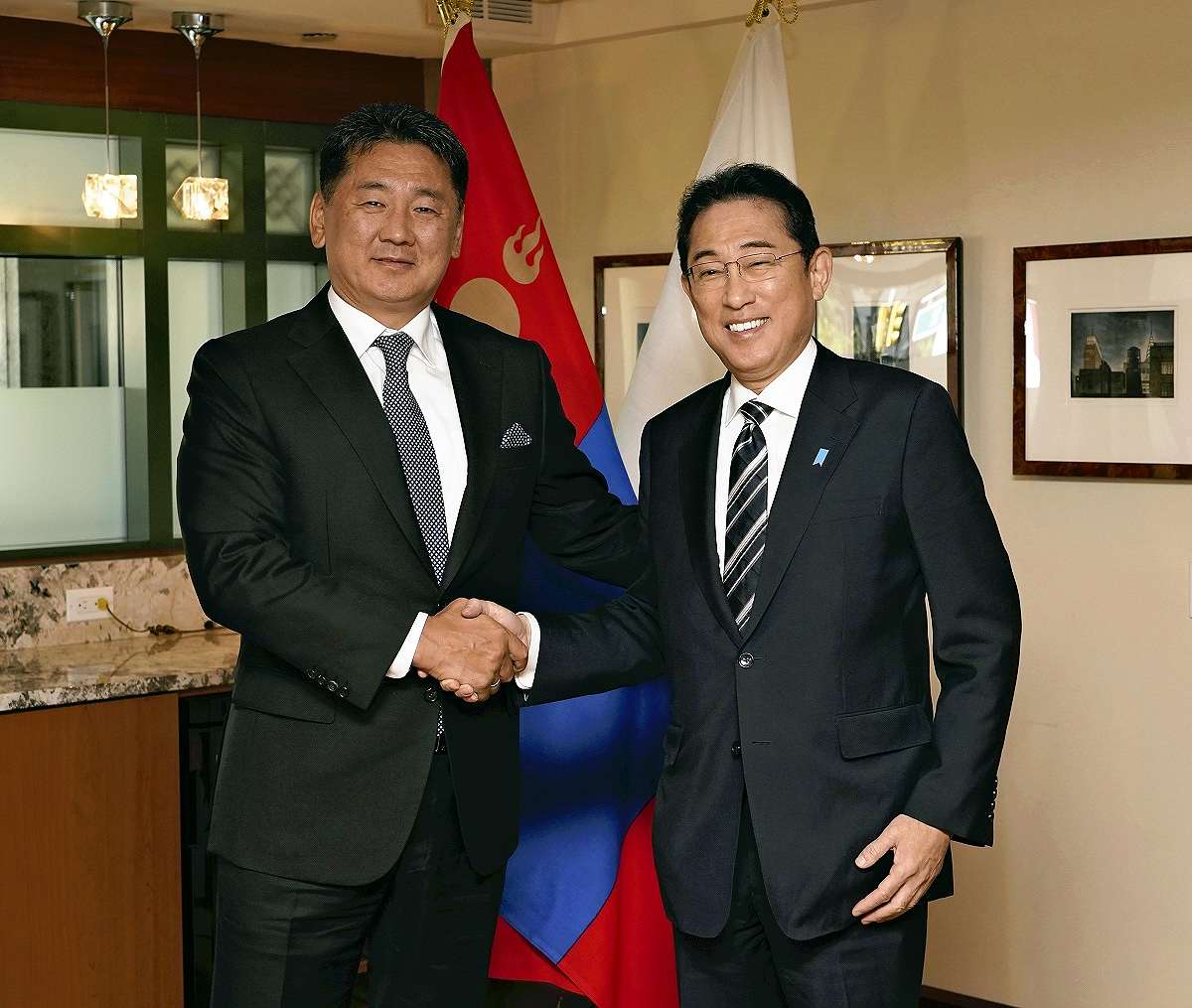
- June 2026 Summit: Japanese Prime Minister Fumio Kishida is scheduled to visit Astana in June 2026 to sign new energy cooperation agreements, including a memorandum on joint uranium enrichment research
- Autumn 2026 Nuclear Safety Review: The International Atomic Energy Agency (IAEA) will conduct its quadrennial review of Kazakhstan’s nuclear safety framework, with Japanese experts playing a key advisory role
- 2027 Critical Minerals Initiative: Japan and Kazakhstan plan to launch a joint critical minerals reserve fund to stabilize global supply chains
For readers interested in following these developments, key resources include:
- The Kazatomprom official website for uranium market updates
- Japan’s Ministry of Economy, Trade and Industry (METI) for energy policy announcements
- The International Atomic Energy Agency for nuclear safety developments
Key Takeaways
- Strategic Energy Alliance: Japan and Kazakhstan are building one of the most comprehensive energy partnerships in the Asia-Pacific region, covering nuclear, fossil fuels, and renewables
- Nuclear Cooperation: Their collaboration on uranium enrichment and nuclear safety represents a model for how energy-dependent and resource-rich nations can work together
- Geopolitical Hedging: Both countries are using this partnership to reduce dependence on traditional supply routes and political blocs
- Human Development Impact: The partnership is creating jobs, improving safety standards, and fostering technical exchange between the two nations
- Future Watchpoints: Upcoming IAEA reviews and the June 2026 summit will be critical milestones for this relationship
- Broader Implications: Their model could influence how other energy-dependent nations approach resource security in an uncertain world
What do you think about this strategic partnership? In an era of energy insecurity, could similar collaborations emerge between other resource-rich and energy-dependent nations? Share your perspectives in the comments below or on our social media channels.
For the latest updates on Japan-Kazakhstan energy cooperation, watch for official announcements from:
Worth a look