
Japan’s parliament is moving to tighten oversight of the digital asset sector by reclassifying crypto assets under the same regulatory framework as traditional financial securities. The House of Representatives recently advanced legislation that requires crypto-asset service providers to comply with stricter disclosure and operational standards, aligning the industry more closely with Japan’s existing equity market regulations, according to reports from the Financial Services Agency (FSA).
This legislative shift represents a significant evolution in how the Japanese government manages virtual currencies. By treating crypto assets as financial products, the government aims to bolster investor protection and curb market volatility. The move follows a series of international discussions regarding the need for consistent regulatory standards for digital assets, with the Financial Action Task Force (FATF) repeatedly emphasizing the necessity of anti-money laundering controls for virtual asset service providers globally.
Why Japan Is Reclassifying Crypto Assets
The primary driver behind this reclassification is the need for enhanced market integrity. Historically, crypto assets in Japan were managed under the Payment Services Act, which focused primarily on transaction settlement. However, as the market for digital tokens has expanded to include complex financial instruments, regulators have determined that existing laws are insufficient to protect retail investors from fraud and market manipulation.
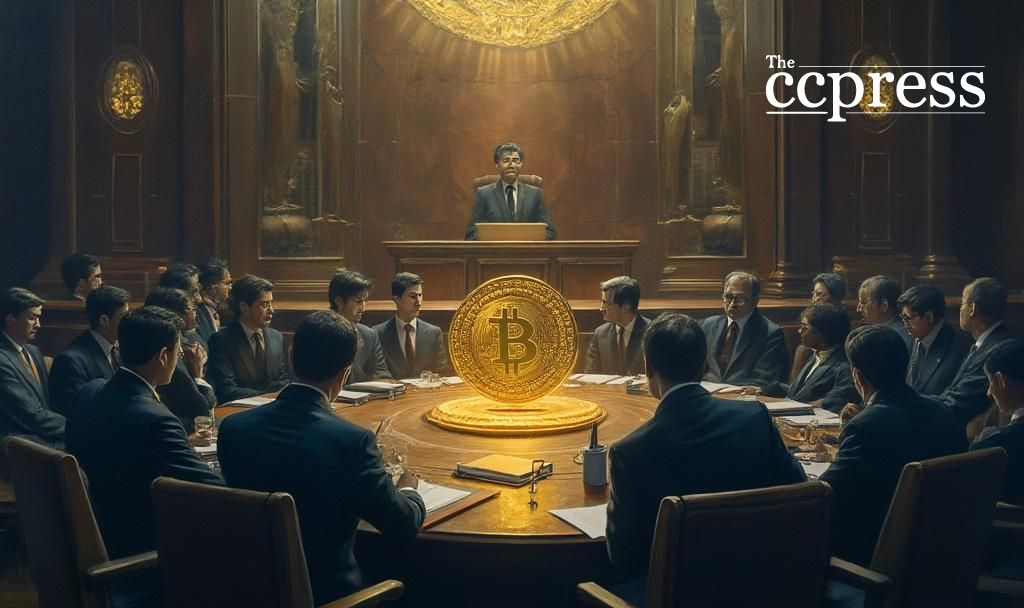
Under the new proposed framework, crypto exchanges and related service providers will face requirements similar to those of securities firms. This includes mandatory capital adequacy ratios, rigorous internal audit procedures, and standardized reporting of customer holdings. According to the Bank of Japan, these measures are intended to minimize the systemic risks that digital asset failures could pose to the broader national economy. By integrating crypto into the securities framework, the government creates a clearer legal hierarchy for asset recovery in the event of exchange insolvency.
What This Means for Investors and Exchanges
For individual investors, the transition to a securities-based model is expected to provide greater transparency. Regulators anticipate that standardized prospectuses and disclosure requirements will allow users to better assess the risks associated with specific digital assets. The Financial Services Agency has signaled that these changes will apply to both domestic platforms and international entities offering services to Japanese residents.

Exchange operators, meanwhile, are bracing for a period of adjustment. The compliance burden is expected to rise as firms transition away from the lighter regulatory touch of the payment services framework. Analysts note that while these regulations may increase operational costs, they are also likely to improve the long-term legitimacy of the crypto market in Japan. By creating a environment that mimics the stability of the Tokyo Stock Exchange, the government hopes to encourage institutional participation while weeding out undercapitalized or non-compliant operators.
Global Regulatory Context
Japan’s decision to align crypto with securities law mirrors broader trends observed in other major economies. The European Union’s Markets in Crypto-Assets (MiCA) regulation has similarly sought to establish comprehensive legal definitions for digital assets, moving away from a decentralized “wild west” approach toward a regulated financial services model. These efforts are part of a global push to standardize oversight as digital currencies become increasingly intertwined with traditional banking and investment systems.
The Japanese approach remains one of the most proactive in the G7. Since the 2014 collapse of the Mt. Gox exchange, Tokyo has maintained a policy of strict supervision, often being the first to introduce mandatory registration for crypto exchanges. This latest legislative step is viewed by industry observers as the next logical phase in a decade-long project to integrate digital innovation into the formal financial sector.
Next Steps in the Legislative Process
Following the approval in the House of Representatives, the bill must now proceed to the House of Councillors for final deliberation. If passed, the legislation will move to the Cabinet for enactment, followed by a transition period during which the Financial Services Agency will draft specific ministerial ordinances to clarify enforcement protocols. Official updates regarding the implementation timeline and the specific requirements for registration will be published on the FSA’s official portal. Stakeholders are encouraged to monitor these channels for upcoming public comment periods on the draft regulations.
The next legislative checkpoint is expected in the upcoming session of the House of Councillors. Readers interested in the evolution of Japanese financial law are invited to share their perspectives on how these regulations may influence the global digital asset market in the comments below.
Related reading