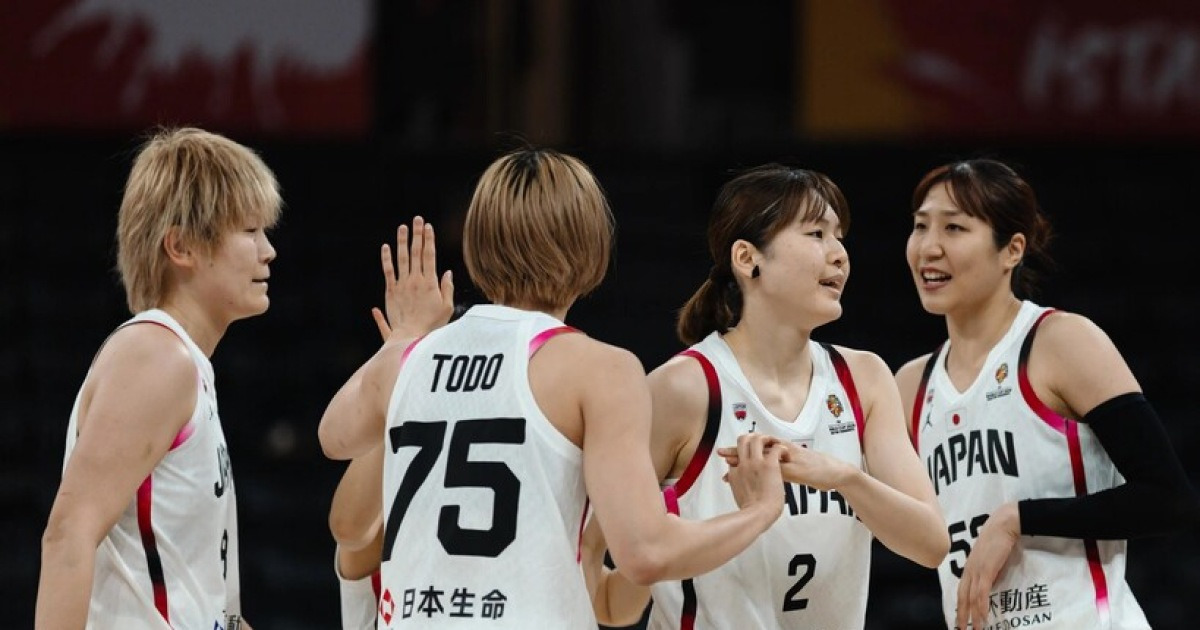
Istanbul, Turkey – In a stunning turn of events at the 2026 FIBA Women’s Basketball World Cup Qualifying Tournament, Japan secured a coveted spot in the World Cup finals, overcoming a challenging preliminary round and a challenging group stage. The Japanese team, currently ranked 11th by FIBA, clinched their qualification with a decisive 83-39 victory over Argentina on Sunday, March 17th, at the Turkcell Basketball Development Center in Istanbul. This achievement is particularly remarkable given their initial struggles in the tournament, which saw them facing a potential early exit. The win, coupled with favorable results in other matches, propelled Japan to fourth place in the group, edging out Canada on a tiebreaker and securing one of the final qualifying berths.
The road to qualification was far from smooth for Japan. After a shaky start that included consecutive losses to Hungary, Australia, and Türkiye, their World Cup hopes hung by a thread. A crucial victory against Canada provided a much-needed boost, but the final match against Argentina was a must-win scenario. The team responded emphatically, dominating Argentina from the opening tip-off and showcasing a level of performance that underscored their resilience and determination. This qualification marks a significant moment for Japanese basketball, demonstrating their ability to compete on the international stage and overcome adversity. The team’s journey highlights the unpredictable nature of tournament play and the importance of perseverance in the face of challenges.
A Dominant Performance Against Argentina
Japan’s victory over Argentina was a comprehensive display of basketball prowess. Aika Hirashita led the scoring with 17 points, accompanied by 5 rebounds and 2 assists, even as Mai Yamamoto contributed 10 points, 3 rebounds, and an impressive 8 assists. According to FIBA’s official game report, Japan established a commanding lead early in the contest, taking a 23-7 advantage in the first quarter and extending it to 40-16 by halftime. The Japanese team’s superior offense and defense proved too much for Argentina to handle, resulting in a lopsided scoreline of 83-39. Japan utilized all 12 players in the game, demonstrating their depth and commitment to teamwork.
Navigating a Challenging Group Stage
Japan found themselves in a highly competitive group alongside Argentina, Australia (ranked 2nd by FIBA), Canada (ranked 7th by FIBA), Hungary (ranked 20th by FIBA), and host nation Türkiye (ranked 16th by FIBA). With Australia already securing their spot in the finals, the remaining teams battled fiercely for the remaining qualifying positions. The group presented a significant challenge for Japan, requiring them to finish among the top three to advance. Their initial setbacks against Hungary, Australia, and Türkiye put their World Cup aspirations in jeopardy, creating a sense of urgency and pressure as they approached the final stages of the qualifying tournament.
The early losses were a wake-up call for the Japanese team. The defeat against Hungary, considered a team of comparable strength, was particularly disheartening. Subsequent losses to Australia and Türkiye further compounded their difficulties, leaving them on the brink of elimination. A single additional loss would have dashed their hopes of reaching the World Cup finals. However, the team demonstrated remarkable resilience, regrouping and focusing on their remaining matches with renewed determination. The turning point came with a hard-fought victory over Canada, which reignited their campaign and set the stage for the decisive match against Argentina.
The Tiebreaker and Canada’s Fate
Japan’s qualification wasn’t solely dependent on their own performance. The final standings came down to a complex tiebreaker scenario involving Canada and Türkiye, both of whom similarly finished the tournament with 2 wins and 3 losses. As detailed by FIBA, Japan ultimately secured the fourth and final qualifying spot based on the winner-wins principle, a tie-breaking method used to determine rankings when teams have identical records. Crucially, both Canada and Türkiye suffered defeats in their final matches, paving the way for Japan’s dramatic qualification. This outcome underscores the importance of every game in a tournament setting and the unpredictable nature of competitive basketball.
Looking Ahead to the World Cup Finals
Japan’s journey to the World Cup finals has been a testament to their perseverance and team spirit. While celebrated as an Asian basketball powerhouse, the team’s recent performance highlighted areas for improvement. The initial struggles in the qualifying tournament served as a valuable learning experience, exposing vulnerabilities and prompting a reassessment of their strategies. As they prepare for the World Cup finals, the Japanese team will undoubtedly focus on refining their game, strengthening their teamwork, and addressing the weaknesses that were exposed during the qualifying stages.
The upcoming World Cup presents a significant opportunity for Japan to showcase their talent on a global stage. The competition will feature the world’s top basketball nations, providing a challenging yet rewarding environment for the Japanese team to test their skills and compete for a coveted championship title. The team’s qualification is a source of national pride and excitement, inspiring a latest generation of basketball players in Japan and solidifying the country’s position as a rising force in international basketball. The focus now shifts to preparation and strategic planning as Japan aims to produce a significant impact at the World Cup finals.
Key Takeaways
- Japan qualified for the FIBA Women’s Basketball World Cup finals after a dramatic finish to the qualifying tournament.
- A 83-39 victory over Argentina secured their spot, alongside wins over Canada and favorable results for the team.
- The team overcame a challenging group stage and initial losses to Hungary, Australia, and Türkiye.
- Japan’s qualification was determined by a tiebreaker, with Canada and Türkiye both losing their final matches.
- The team will now focus on preparation and improvement as they look ahead to the World Cup finals.
The FIBA Women’s Basketball World Cup finals are scheduled to take place later in 2026, with the exact dates and location yet to be announced. Fans and basketball enthusiasts around the world eagerly await the opportunity to witness the world’s best teams compete for the championship title. Stay tuned to FIBA’s official website for updates on the tournament schedule, participating teams, and other important information. We encourage you to share your thoughts and reactions to Japan’s incredible qualification journey in the comments below.
Keep reading
- Neil Fachie Wins Second Commonwealth Gold in Dramatic Glasgow Performance
- Lionel Messi Retirement Update: Will He Play in the 2028 Copa América? Latest Reports Explained
- The Basketball Genius of Larry Bird and Game-Altering Playmakers (world-today-news.com)
- Phil Foden signs new Man City deal and pledges fresh start under Enzo Maresca (time.news)