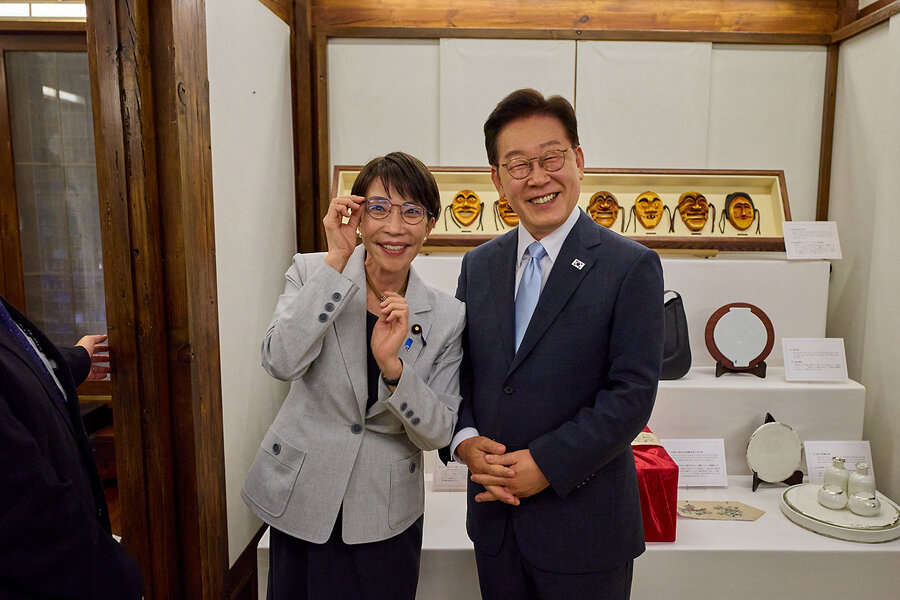
The geopolitical landscape of East Asia, long defined by historical grievances and complex territorial disputes, may be witnessing a quiet but significant transformation. Observers of regional diplomacy are increasingly focused on the evolving professional relationship between Japanese Prime Minister Sanae Takaichi and South Korean President Lee Jae-myung. Despite the distinct political orientations of their respective administrations and the persistent shadows of 20th-century history, the two leaders appear to be navigating a path toward a more pragmatic, stable partnership.
This potential shift in South Korea-Japan cooperation carries profound implications for global economic stability and regional security. As both nations manage the challenges of an aging demographic, as noted in recent demographic trends reports, and seek to bolster their positions in the global semiconductor and technology supply chains, the necessity for strategic alignment has arguably never been greater. For Tokyo and Seoul, the stakes involve not only bilateral trade but the broader maintenance of the rules-based order in the Pacific.
A New Calculus for Regional Diplomacy
The discourse surrounding the bilateral ties between Japan and South Korea has historically been dominated by the legacy of the colonial era. However, the current administration in Tokyo, led by Prime Minister Sanae Takaichi, and the government in Seoul under President Lee Jae-myung, are operating under a different set of pressures. In an era of heightened geopolitical competition, both leaders are tasked with balancing domestic nationalist sentiment against the cold reality of shared economic and security interests.
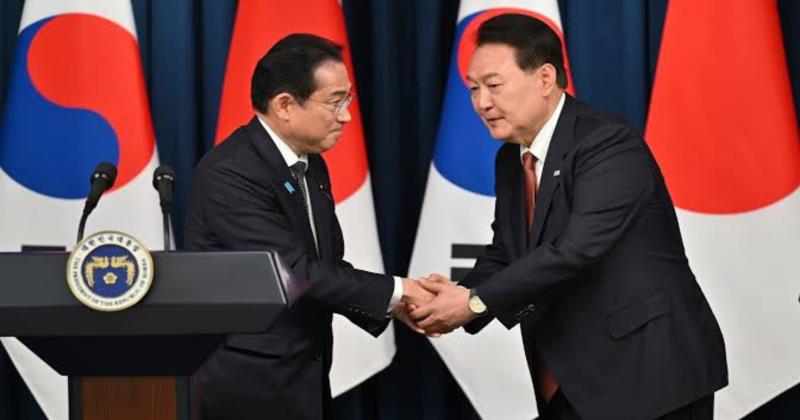
Japan, a nation of approximately 122.9 million people as of early 2026, remains a critical economic engine in the region, with a nominal GDP estimated at $4.379 trillion, according to official national data. South Korea, similarly, is a vital node in the global high-tech economy. When these two powers find common ground, the impact on regional investment, research and development, and security cooperation is immediate. The “forging of a deep partnership,” as some observers characterize the current diplomatic thaw, is less about erasing the past and more about prioritizing the future stability of the archipelago and the Korean Peninsula.
Economic Interdependence and Security
The economic logic for this cooperation is rooted in the deep integration of Japanese and South Korean industries. From automotive manufacturing to advanced electronics, the supply chains of the two nations are inextricably linked. Analysts suggest that the administrative focus in both capitals has shifted toward mitigating the risks of supply chain disruptions, a move that requires a level of transparency and trust that was largely absent in previous political cycles.
the security environment in the Pacific necessitates a coordinated approach. While Japan functions as a unitary parliamentary constitutional monarchy, its security policy is increasingly aligned with democratic partners in the region. The ability of Prime Minister Takaichi and President Lee to communicate effectively on regional security matters is viewed by many as a stabilizing force. This is not merely a matter of political rhetoric; it is a functional requirement for managing the evolving security challenges that define the modern maritime and aerial landscape of East Asia.
Challenges on the Horizon
Despite the optimism surrounding this diplomatic rapprochement, significant hurdles remain. Political opposition in both countries frequently utilizes historical grievances as a tool to rally nationalist bases. For leaders like Takaichi and Lee, maintaining a “deep partnership” requires a delicate balancing act—one that must satisfy the demands of domestic constituencies while delivering tangible results on the international stage.
Public sentiment remains a volatile variable. In Japan, the political discourse is shaped by a complex parliamentary system, while in South Korea, the democratic process is marked by intense debate over foreign policy. The durability of the current partnership will likely depend on whether the two leaders can translate high-level diplomatic goodwill into long-term institutional frameworks that can survive future changes in administration. As noted in official tourism and cultural resources, the two nations share deep-seated cultural connections that often contrast sharply with the friction seen in their political arenas, providing a potential foundation for long-term reconciliation.
What Comes Next
The next major checkpoint for this evolving relationship will be the upcoming series of regional summits, where both leaders are expected to hold bilateral consultations on the sidelines of broader multilateral gatherings. These meetings will be closely watched for any new announcements regarding trade agreements, security cooperation protocols, or joint initiatives in technological research.
For those tracking this story, the primary indicators of progress will be the frequency of high-level ministerial meetings and the implementation of specific memoranda of understanding between the two governments. We will continue to monitor these developments as they unfold. We invite our readers to share their perspectives on the future of East Asian diplomacy in the comments section below.
Keep reading