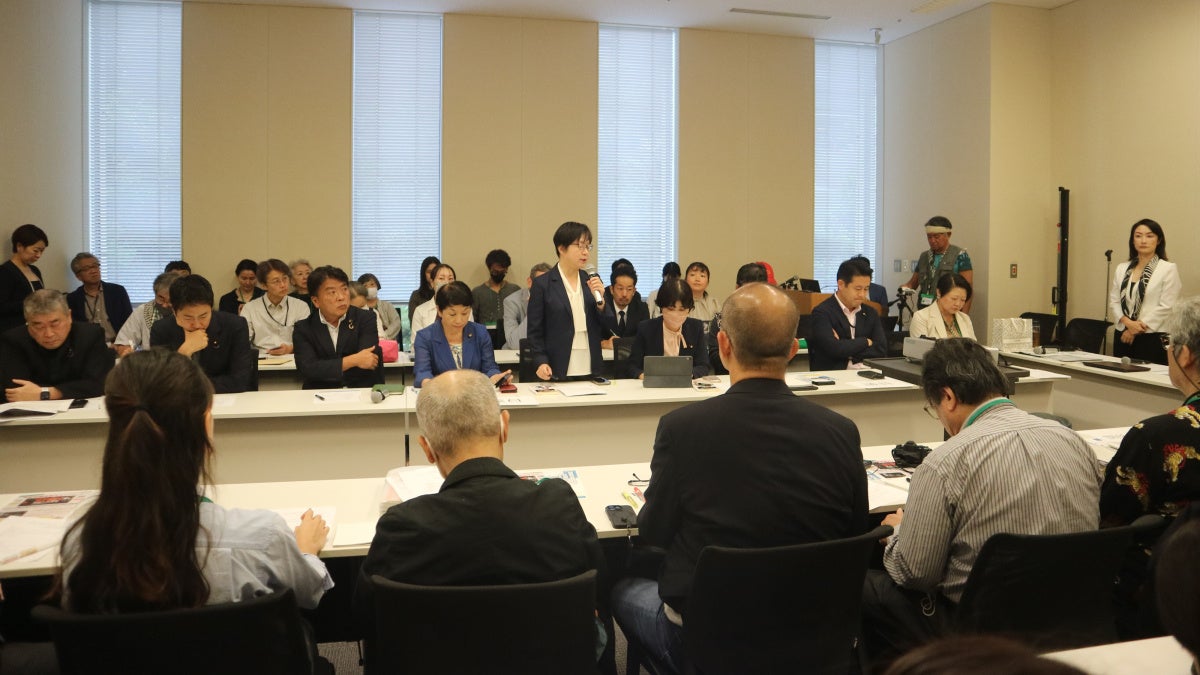
Japan at a Crossroads: Defending International Justice Amidst US Sanctions on the ICC
The International Criminal Court (ICC) is facing an unprecedented challenge. In february, former US President Donald Trump authorized sanctions targeting the ICC and those who support it, a move designed too shield both Israeli and US officials from potential scrutiny regarding alleged war crimes. This action followed the ICC’s november 2024 issuance of arrest warrants for Israeli Prime Minister benjamin Netanyahu, former Defense Minister Yoav Gallant, and a deceased Hamas official. Now, the future of international justice hangs in the balance, and Japan finds itself at a critical juncture.
As a long-time supporter of the ICC, Japan’s response is being closely watched. But is the current approach – quiet diplomacy – enough?
The Escalating Pressure on the ICC
The US sanctions aren’t merely symbolic. They are having a demonstrably negative impact, hindering victims’ access to justice and threatening the court’s very functionality. consider the scope of these measures:
* Targeted Individuals: Sanctions have been levied against the ICC prosecutor,their two deputies,six judges,and even a United Nations human rights expert.
* Impact on Civil Society: Three leading Palestinian human rights groups have also been sanctioned, further stifling vital investigative work.
* Growing Concerns: There’s a real fear the US will expand sanctions to encompass the entire ICC, effectively paralyzing its operations.
These actions are deeply concerning for anyone who believes in accountability for the most heinous crimes – war crimes, crimes against humanity, and genocide.
Japan’s Past Commitment & Current Hesitation
Japan has historically been a champion of the ICC.Since the court’s inception in 2002, it has:
* Nominated three judges to the ICC, including the current President, Judge Tomoko Akane.
* Consistently advocated for the principles of international criminal justice.
Though, recent actions suggest a reluctance to fully leverage its influence. Foreign Minister Takeshi Iwaya has privately expressed concerns to US Secretary of State Marco Rubio. Yet, Japan has refrained from publicly condemning the sanctions or joining cross-regional statements in support of the ICC. This hesitancy has drawn criticism from within Japan itself. As Diet member Yasue Funayama pointed out, “It begs the question of what japan is really doing.”
Why Japan’s Public Support Matters Now
Japan’s silence carries a weight. Its international credibility, as former education minister Masahiko Shibayama emphasized, “relies on our actions.” A strong,public stance from Japan isn’t just about supporting the ICC; it’s about upholding the rules-based international order and demonstrating a commitment to universal values.
You might be wondering, what concrete steps can Japan take? Hear’s a roadmap:
- Public Condemnation: Japan should unequivocally condemn the US sanctions and urge President Trump to revoke the executive order.
- Resource Allocation: Provide the ICC with the financial and logistical resources it needs to operate effectively.
- Legal Protection: Ratify the 2002 Agreement on the Privileges and Immunities of the ICC. This woudl offer crucial protection to court officials.
- Sanctions Mitigation: Actively work to mitigate the effects of the US sanctions on the ICC and its partners.
- lead by Example: Reaffirm its commitment to international justice on the global stage.
The Stakes are High
The ICC isn’t perfect, but it represents a vital mechanism for holding perpetrators of atrocity crimes accountable.Allowing it to be undermined sets a risky precedent.
For Japan, this isn’t simply a matter of foreign policy. It’s a test of its values and its commitment to a just and equitable world.The time for quiet diplomacy is over.japan must now stand up for justice, and demonstrate its leadership on the international stage.
Resources:
* Human Rights Watch: US Authorizes ICC Sanctions
* [ICC: Situation in the State of Palestine](https://www.icc-cpi.int/news
Related reading
- DRC Disease Outbreak Kills Over 1,500 in Two Months Amid Slow Response
- Austin Theory’s Career Slump: The Masked Storyline Blunder
- Japan Quake Death Toll Reaches 34 Amid Extreme Heat and Water Shortages (archyworldys.com)
- Japan Earthquake Death Toll Rises to 34 as Search Efforts Continue in Kumamoto (time.news)