
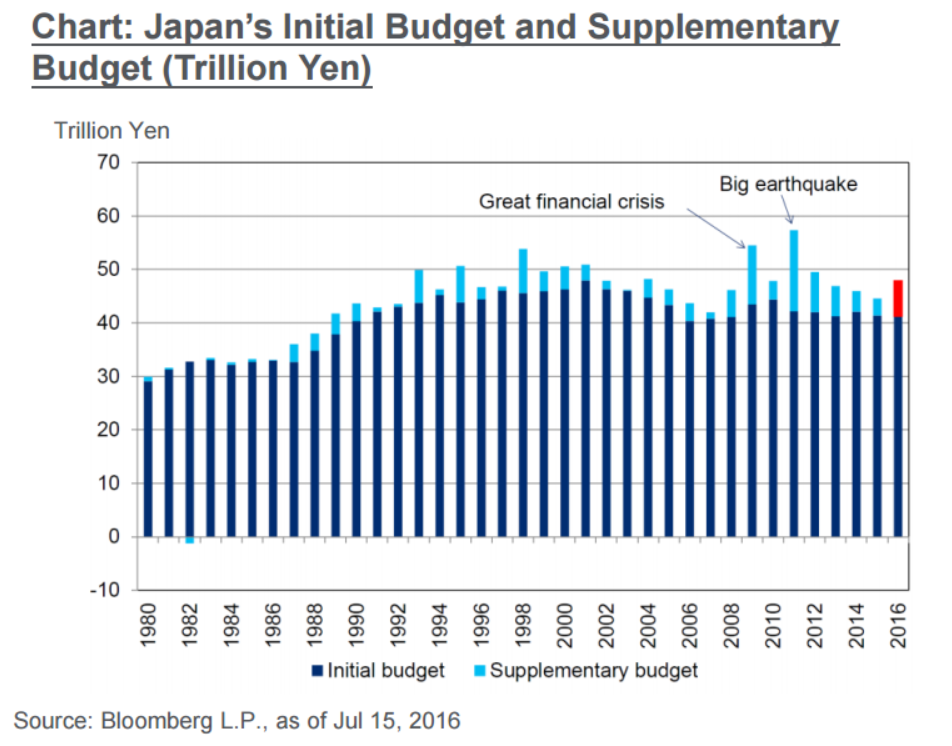
As global energy markets navigate a period of heightened instability, the Japanese government has announced a significant fiscal intervention aimed at shielding households from the volatility of utility costs. Prime Minister Sanae Takaichi confirmed on May 25, 2026, that the administration is moving to implement a supplemental budget—a move designed to mitigate the impact of rising energy prices that threaten to strain consumer budgets throughout the summer months.
The proposed economic measures, which involve a fiscal injection exceeding 3 trillion yen (approximately $28.5 billion USD), are intended to stabilize electricity and gas bills for the Japanese public. This proactive stance reflects the government’s concern over the potential for inflationary pressure to erode household purchasing power as geopolitical tensions in the Middle East continue to influence international energy pricing. The intervention underscores the complexities of managing national economic policy in an era where global supply chain shocks can have immediate, tangible effects on domestic energy security.
Addressing Energy Price Volatility
The Japanese government’s plan focuses on immediate relief for citizens, with a specific emphasis on the upcoming summer season. According to Prime Minister Takaichi, the goal is to realize a reduction in household energy expenses of approximately 5,000 yen per month over the three-month period from July through September. This targeted approach seeks to prevent the sharp spikes in electricity and gas costs that often accompany global energy market disruptions.
To ensure that this relief reaches the public without delay, the government has adopted a two-tiered fiscal strategy. Before the formal supplemental budget is processed by the national legislature, the administration will utilize 500 billion yen (roughly $4.7 billion USD) from the current fiscal year’s contingency fund. This preliminary allocation ensures that subsidies are available for immediate distribution to utility providers and consumers. Once the supplemental budget is officially passed by the Diet, the government intends to replenish the contingency fund using the newly authorized fiscal resources, effectively balancing the immediate need for relief with long-term budgetary discipline.
Fiscal Strategy and Economic Outlook
The financing of this supplemental budget relies on the issuance of deficit-covering government bonds, a move that has prompted discussions regarding Japan’s broader fiscal health. Prime Minister Takaichi has signaled confidence in the government’s ability to manage this debt, noting that anticipated increases in tax revenues may provide a pathway to offset the issuance of these bonds. This perspective highlights the administration’s reliance on economic growth to mitigate the long-term impact of increased sovereign debt.
The decision to utilize special deficit bonds reflects the necessity of responding to external economic pressures that are largely outside of the government’s direct control. By prioritizing the stability of utility costs, the administration is attempting to preserve consumer confidence and prevent a broader slowdown in domestic consumption. This policy maneuver is a critical element of the government’s broader economic management strategy, balancing the requirement for social support with the constraints of Japan’s fiscal environment.
What Happens Next
The legislative process for the supplemental budget is expected to gain momentum in the coming week, as the government prepares to submit the formal proposal to the national legislature. The outcome of these deliberations will determine the speed and scale at which the planned subsidies are fully integrated into the national economic framework.
For Japanese households, the immediate focus remains on the implementation of the preliminary relief measures funded by the contingency reserves. As the situation develops, stakeholders will be monitoring official government portals and ministerial announcements for specific guidance on how these subsidies will be reflected in upcoming utility billing cycles. We will continue to track the progress of the supplemental budget through the legislative assembly and provide updates as further details regarding the allocation and impact of these funds are made available.
This is a developing economic story. We encourage our readers to share their thoughts or experiences regarding energy cost management in the comments section below.