recent Earthquakes Trigger Tsunami Warnings in Northeastern Japan
A series of earthquakes struck northeastern Japan late Sunday, prompting tsunami advisories and briefly disrupting transportation. While the tremors were unsettling, initial assessments suggest no immediate widespread damage or casualties. This event serves as a stark reminder of the seismic activity inherent to the region and the importance of preparedness.
What Happened?
Initially, a moderate earthquake was detected, triggering small tsunami waves along the Iwate Prefecture coastline. These waves measured between 10-20 centimeters (approximately 4-8 inches) in areas like Ofunato city, ominato port, Miyako, and Kamaishi. Subsequently, the coastal area of Kuji experienced waves reaching as high as 20 centimeters (8 inches).
Following the initial quake, a series of aftershocks continued to ripple through Iwate Prefecture and even extended to Hokkaido, Japan’s northernmost major island. These ongoing tremors highlight the complex geological forces at play.
Understanding Tsunami Behavior
It’s crucial to understand that tsunami waves aren’t single,massive surges. Instead, they often arrive as a series of waves over several hours.These waves can grow in size with each successive arrival, making continued vigilance essential even after the first wave passes. You should always heed official warnings and evacuation orders.
A Region Shaped by Seismic history
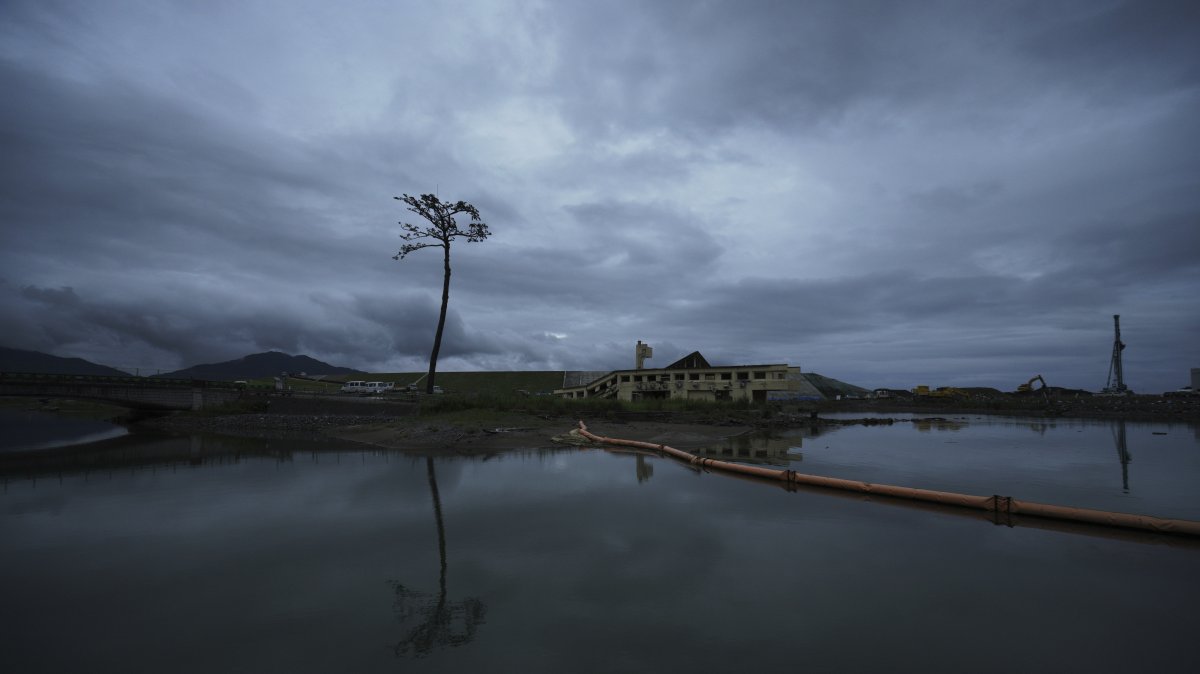
Northeastern Japan lies within the Pacific “Ring of Fire,” a highly active seismic zone. This region is particularly vulnerable to earthquakes and tsunamis. The devastating events of March 2011,when a magnitude 9.0 earthquake triggered a massive tsunami and the Fukushima Daiichi nuclear disaster, remain a poignant reminder of this risk.
* Nearly 20,000 people lost their lives, primarily due to the tsunami.
* The Fukushima nuclear power station suffered severe damage, leading to long-term displacement and ongoing concerns.
* Even today,over a decade later,communities are still grappling with the aftermath and advocating for greater safety measures.
current Situation and Response
Authorities have confirmed that the recent earthquakes are not directly linked to the 2011 disaster, although the region’s inherent seismic risk remains. Though, the event underscores the need for constant preparedness.
Hear’s a snapshot of the current situation:
* Bullet train services in the affected area were temporarily suspended as a precaution.
* Localized power outages were reported.
* Officials are closely monitoring the situation for further aftershocks and potential changes in tsunami activity.
Looking Ahead: Preparedness is Key
Japan’s history demonstrates the importance of robust earthquake and tsunami preparedness. You can take steps to protect yourself and your family:
* Stay Informed: Monitor official news sources and heed warnings from local authorities.
* Know Evacuation Routes: Familiarize yourself with designated evacuation routes in your area.
* Prepare an Emergency Kit: Include essential supplies like water, food, first aid, and a radio.
* Participate in Drills: Take part in earthquake and tsunami drills to practice response procedures.
The recent events serve as a critical reminder that living in an earthquake-prone region requires ongoing awareness and proactive preparation. While the immediate threat appears to have subsided,continued vigilance and a commitment to safety are paramount for communities across northeastern Japan.