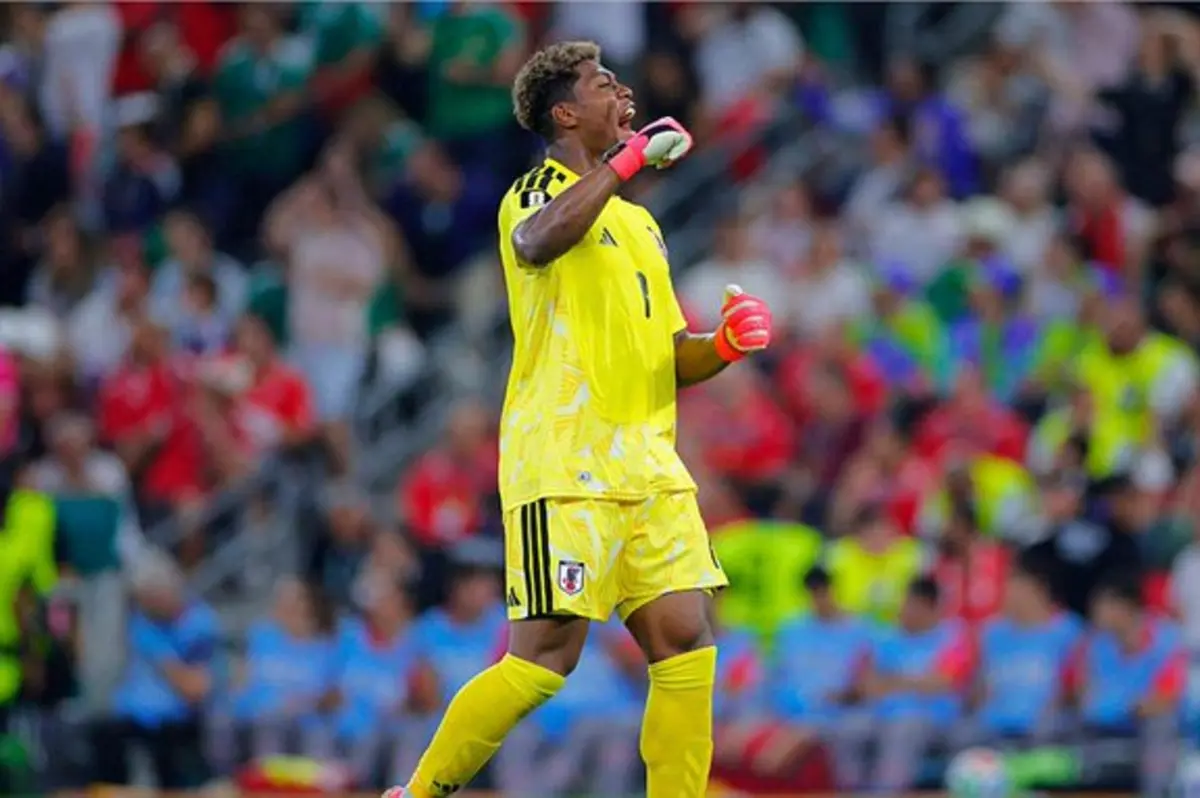
Zion Suzuki, the Japanese national team goalkeeper, has emerged as a central figure in Japan’s defensive strategy during the 2026 FIFA World Cup, providing the stability required for the team’s upcoming group stage match against Sweden. As Japan and Sweden prepare to compete for the top spot in their group at the AT&T Stadium in Dallas, the performance of the goalkeeper has become a focal point for head coach Hajime Moriyasu. According to official FIFA tournament records, securing the top position in the group is critical for determining the path to the knockout stages.
The tactical approach for the Japan-Sweden fixture centers on defensive discipline. While Sweden’s coaching staff has publicly expressed concerns regarding potential lapses in their own defensive line, Japan has focused on maintaining a composed, organized structure to neutralize the Swedish attack. Hajime Moriyasu, the manager of the Japanese national team, has reiterated his commitment to an offensive-minded strategy, emphasizing that the squad intends to play for the win to guarantee their place at the top of the group standings, as documented in reports covering the 2026 World Cup campaign.
Defensive Stability and the Role of Zion Suzuki
Zion Suzuki has been instrumental in addressing the defensive inconsistencies that previously challenged the Japanese squad. His ability to command the penalty area and distribute the ball effectively has allowed Japan’s backline to operate with greater confidence. The transition to a more reliable presence between the posts has been a key factor in Japan’s ability to remain “calm” under pressure, a trait often highlighted by sports analysts observing the team’s progress in North America.

The synergy between Suzuki and the defensive unit is expected to be tested against Sweden’s physical attacking style. Coaches are emphasizing the importance of clearing the ball decisively and preventing second-chance opportunities for the Swedish strikers. This focus on “hissar” (blockade/siege) tactics—planning to contain the Swedish forward line through a disciplined mid-block—reflects a sophisticated shift in Japan’s tournament approach, moving away from reactive play toward controlled, proactive defending.
Strategic Stakes: Japan vs. Sweden in Dallas
The clash in Dallas serves as a litmus test for both nations. For Japan, a victory would solidify their status as a top contender and potentially provide a more favorable draw in the round of 16. The Swedish team, known for their structured defensive play and aerial threats, remains a formidable opponent. As noted by analysts at The Associated Press, the tactical battle in the midfield will likely decide the flow of the match, but the individual performances of the goalkeepers could prove to be the ultimate difference-maker.
Sweden’s management has warned their players against the specific risks of over-committing to the attack, which could leave gaps for Japan’s quick counter-attacks. Japan’s ability to exploit these spaces, anchored by the distribution skills of Suzuki, is a primary concern for the Swedish scouting team. The match is scheduled to be held at the AT&T Stadium, a venue that has hosted several high-profile matches throughout the tournament, as confirmed by the official 2026 World Cup stadium guide.
Looking Ahead: The Path to the Knockout Stages
The outcome of this match will effectively dictate the final group rankings. With the tournament intensity increasing, the pressure on the starting XI to execute Moriyasu’s game plan is significant. Japan’s strategy relies on consistency; the coaching staff has consistently emphasized that every player must adhere to their tactical roles to avoid the defensive errors that have plagued other teams in the tournament.
As the team prepares for the final whistle of the group stage, the focus remains on recovery and tactical refinement. The Japanese camp has not reported any significant injuries, allowing Moriyasu to field his preferred starting lineup. The official match schedule and subsequent updates regarding the knockout brackets will be managed by FIFA following the completion of all group stage fixtures.
We invite our readers to share their analysis of the upcoming match in the comments section below. How do you see the tactical battle between Japan’s defense and Sweden’s attack unfolding? Join the conversation and stay tuned to World Today Journal for the latest updates from the 2026 FIFA World Cup.
Keep reading