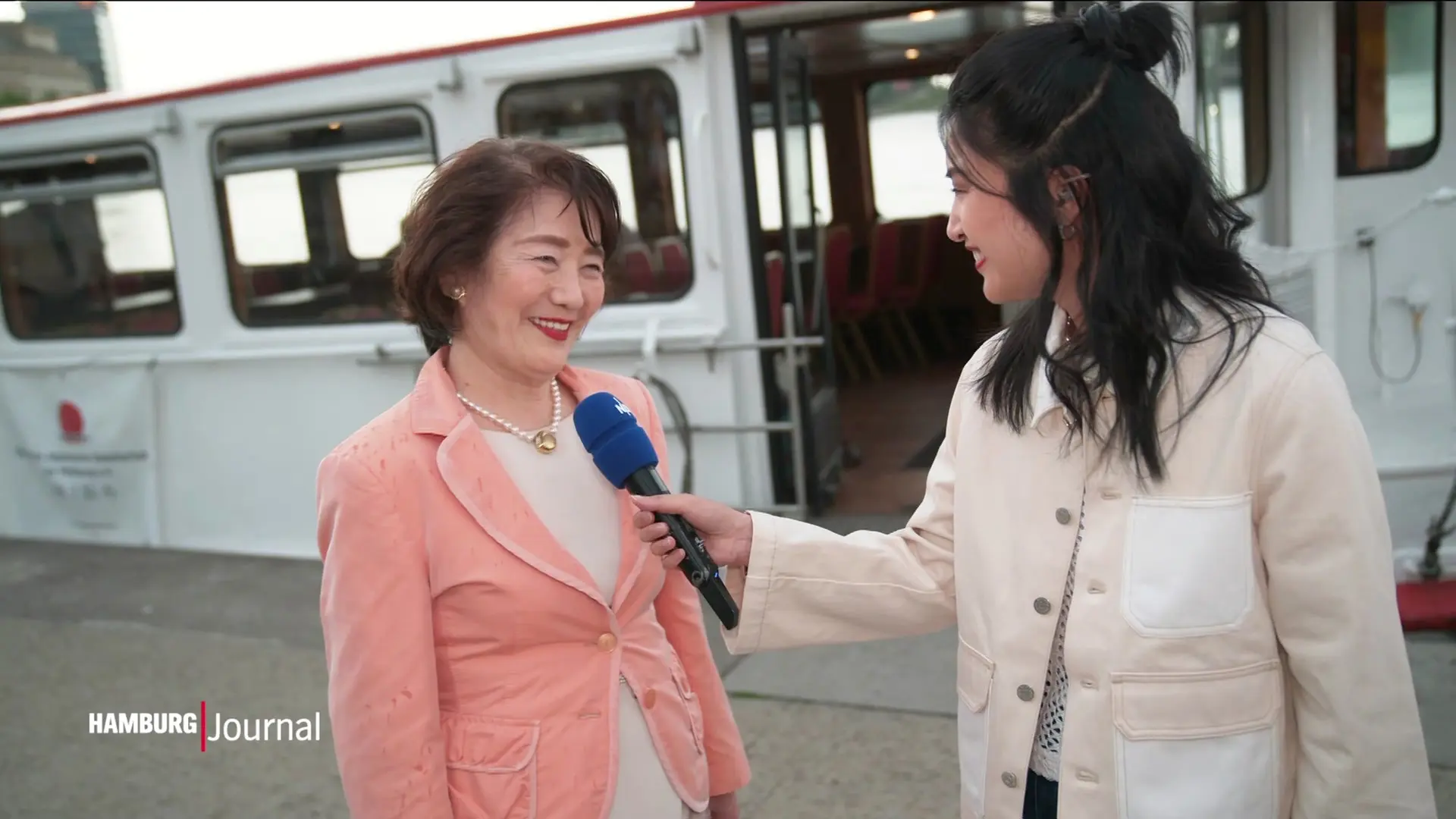
In the heart of Hamburg, a city defined by its maritime heritage and the sprawling waters of the Alster, the arrival of spring is marked by a tradition that bridges the gap between Northern Germany and East Asia. The annual Japanisches Kirschblütenfest—the Japanese Cherry Blossom Festival—serves as a poignant reminder of the enduring friendship between Hamburg and Japan. As the cherry trees, or Sakura, reach their full bloom, the city transforms into a landscape of soft pinks and whites, culminating in a spectacular fireworks display that illuminates the night sky over the Alster lake.
For those of us who follow the cultural rhythms of major European cities, this festival is more than just a seasonal event. it is a meticulously planned celebration of heritage. Since 1968, the City of Hamburg has officially celebrated this bond, originally established to honor the significant community of Japanese residents who have contributed to the city’s economic and cultural life. The festival serves as a focal point for international diplomacy and local community engagement, drawing thousands of spectators to the waterfront.
The Significance of the Cherry Blossom in Hamburg
The history of the cherry blossoms in Hamburg is rooted in a gesture of gratitude. In the late 1960s, the Japanese community in Hamburg donated hundreds of cherry trees to the city, which were planted along the Alster and in Altona. Today, these trees are maintained by the Hamburg Authority for Environment, Climate, Energy and Agriculture, ensuring that the ephemeral beauty of the blossoms remains a permanent fixture of the urban landscape. The festival is held annually to coincide with the peak flowering period, typically falling in late May, a time when the city’s climate is mild enough for outdoor festivities.
Beyond the aesthetic appeal, the festival is a testament to the “Cherry Blossom Queen” tradition, a role that represents the goodwill between the two nations. This cultural exchange is supported by the Hamburg International office, which coordinates the logistical requirements to ensure the event remains safe and accessible for the public. The fireworks display over the Alster is widely considered the highlight of the event, requiring complex coordination with local maritime authorities to clear the waters of private vessels for the duration of the pyrotechnics.
Logistics and Public Safety
Organizing a high-profile pyrotechnic display in a dense urban environment like Hamburg requires rigorous adherence to German federal safety standards. The pyrotechnic shows are governed by the Explosives Act (Sprengstoffgesetz), which dictates the distance between the launch site—often a barge positioned in the center of the Outer Alster—and the spectators lining the banks. Local police and the fire department are on high alert during the event to manage the large crowds that congregate at the Kennedybrücke and the surrounding promenades.
Spectators are encouraged to use public transport, as the city’s transit operator, the Hamburger Verkehrsverbund (HVV), adjusts schedules to accommodate the influx of visitors. With the crowd density expected to reach several thousand during the peak of the fireworks, safety protocols often include temporary traffic diversions in the Harvestehude and Rotherbaum districts. Visitors are advised to check official city portals for real-time updates regarding road closures or potential weather-related delays.
Key Facts About the Festival
- Historical Origins: The first trees were planted in 1968, marking the start of the tradition.
- Location: The primary viewing areas are along the Outer Alster (Außenalster) in Hamburg.
- Regulatory Oversight: All fireworks displays must comply with strict environmental and safety regulations enforced by the Hamburg city administration.
- Cultural Impact: The event serves as a major platform for Japanese-German cultural exchange, featuring traditional music, dance, and food stalls.
Looking Ahead: The Cultural Calendar
The Japanisches Kirschblütenfest is a cornerstone of Hamburg’s spring calendar, but it is also part of a broader commitment to international cooperation. As the city continues to navigate the challenges of urban planning and climate change, the stewardship of the cherry trees serves as a symbol of long-term environmental care. The city’s officials have emphasized that the maintenance of these trees is part of a wider green initiative to enhance biodiversity within the metropolitan area.
For residents and tourists alike, the festival offers an opportunity to engage with the Japanese community and appreciate the historical ties that continue to shape the city’s international identity. While the dates for the festival are subject to the natural blooming cycle of the trees—which can shift depending on the severity of the preceding winter—the commitment to the annual celebration remains steadfast. Those wishing to attend in future years are encouraged to monitor the official City of Hamburg portal for the announcement of the exact dates, which are typically confirmed by the senate in the early spring.
As we move toward the next season, the city remains dedicated to fostering these international connections, ensuring that the light over the Alster continues to shine as a beacon of friendship. We invite our readers to share their own experiences of the festival in the comments section below, or to join the conversation on our social media channels as we continue to track developments in Hamburg’s vibrant cultural scene.