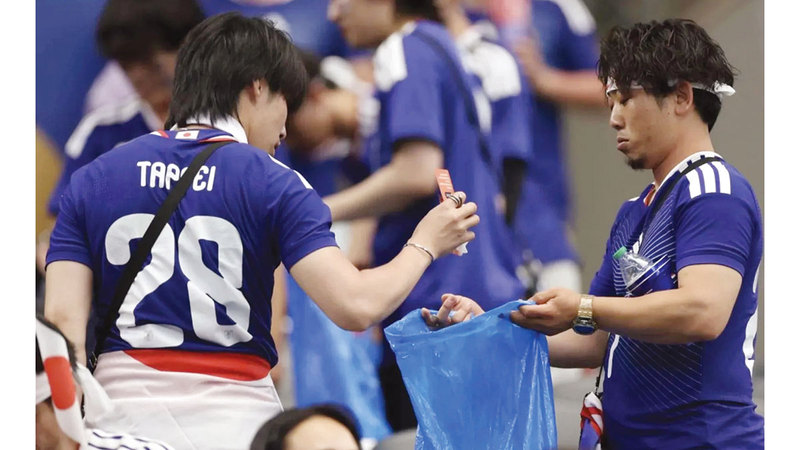
Japanese social media discourse has recently highlighted a disconnect between the global praise directed at Japanese football fans for cleaning stadiums and the domestic reality of household labor distribution. While images of supporters collecting trash after matches at the 2022 FIFA World Cup in Qatar garnered international acclaim, many women in Japan utilized the moment to call for a more equitable division of domestic chores within the home, according to reports from the BBC.
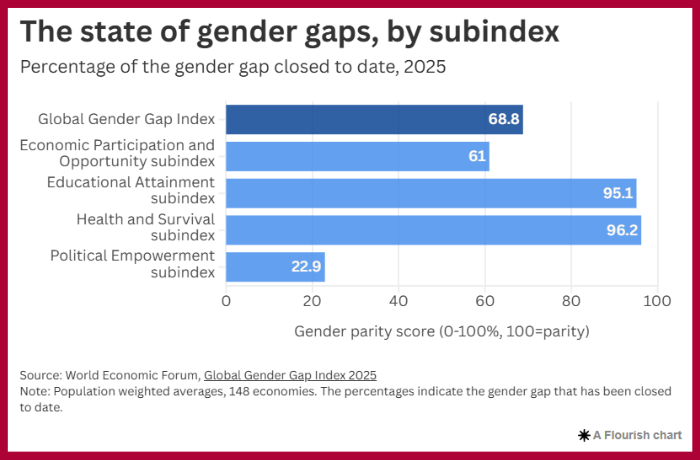
The conversation, which gained significant traction on platforms like X (formerly Twitter), centers on the contrast between the public civic duty displayed by Japanese men abroad and the traditional gender roles that persist in many Japanese households. Observers noted that while the act of cleaning stadiums is deeply rooted in Japanese school culture—known as soji—it does not necessarily translate to a shared domestic burden in a society where women still perform the majority of unpaid care and housework, as documented by data from the World Economic Forum’s Global Gender Gap Report.
The Cultural Context of Public Cleaning
The tradition of cleaning in public spaces is a cornerstone of Japanese education. From a young age, students are tasked with cleaning their own classrooms and school grounds, a practice intended to foster a sense of community and responsibility. During major international sporting events, this habit has become a signature behavior for Japanese supporters, often earning them praise from FIFA officials and international media outlets.
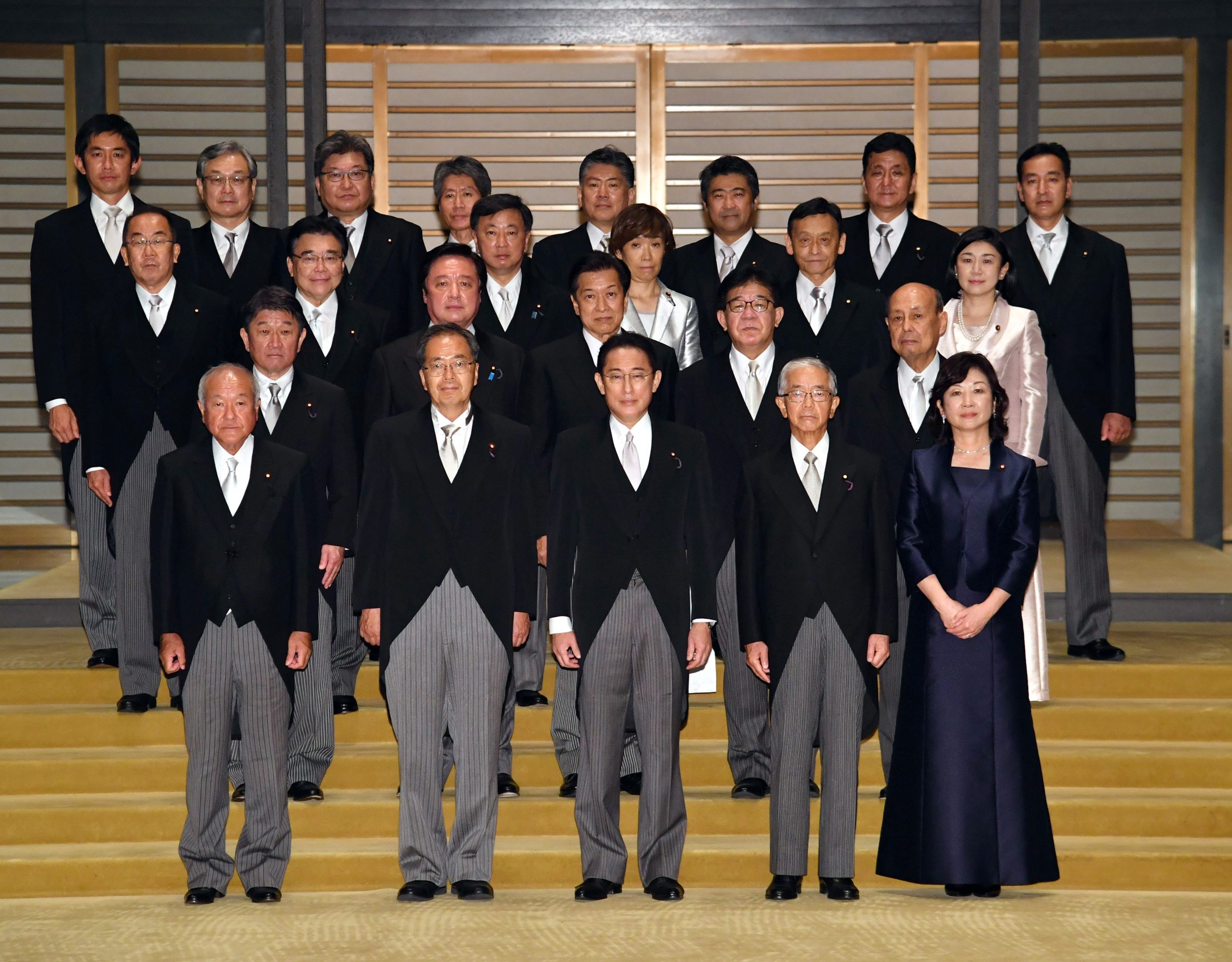
However, the viral nature of these stadium-cleaning videos prompted a critical response from some Japanese women. Critics argued that the performative nature of the cleanup—when performed by men who may not participate in daily household maintenance—highlights a “hypocrisy” regarding gendered labor. The discussion underscored a broader societal tension in Japan, where, despite government initiatives to increase female participation in the workforce, the “second shift” of domestic work remains heavily skewed toward women, according to figures from the Japanese Cabinet Office’s Gender Equality Bureau.
Gender Roles and Domestic Labor in Japan
The disparity in household labor is a long-standing issue in Japan. According to the Organisation for Economic Co-operation and Development (OECD), Japanese men spend significantly less time on unpaid domestic work—such as cooking, cleaning, and childcare—compared to their counterparts in many other G7 nations. This structural imbalance has been the subject of numerous government-led campaigns aimed at encouraging “ikumen,” or men who actively participate in child-rearing.
The online discourse following the World Cup served as a catalyst for these frustrations to reach a wider audience. Users pointed out that while global observers see a commendable display of discipline, the domestic reality often involves women balancing full-time employment with the entirety of household management. The criticism was not directed at the act of cleaning itself, but rather at the selective application of cleanliness as a virtue in public, while neglecting the labor required to maintain a home.
Why the Conversation Matters
This dialogue reflects a shifting sentiment among the younger generation in Japan, who are increasingly challenging traditional rigid gender roles. Sociologists often point to these public debates as indicators of a slow but steady cultural evolution. The juxtaposition of a “model” public image against the private struggle for equality provides a clear lens through which to view the challenges of modernizing societal expectations in Japan.
For many, the stadium cleaning incident served as an opportunity to demand that the same level of care and consideration shown to public venues be extended to the private sphere. As the conversation continues to evolve, it remains a focal point for discussions regarding work-life balance and the future of domestic equality in the country.
Addressing Domestic Inequality
The Japanese government has acknowledged the need for change, implementing various policies under the “Womenomics” framework—a term coined during the administration of former Prime Minister Shinzo Abe—to address the gender gap. Despite these efforts, progress remains incremental. Key areas identified for improvement include:
- Increasing the uptake of paternity leave among male employees in the private sector.
- Reducing the gender pay gap, which remains among the highest in the developed world, according to OECD labor statistics.
- Challenging corporate cultures that prioritize long working hours, which often force one partner to sacrifice career advancement for domestic duties.
The debate sparked by the stadium cleanups highlights that while cultural habits like cleaning are ingrained, the social structures governing who performs that labor are subject to intense scrutiny. As Japan continues to navigate these demographic and social shifts, the discourse surrounding domestic equity is likely to remain a prominent feature of the national conversation.
For those interested in tracking policy developments regarding gender equality, the Gender Equality Bureau of the Cabinet Office provides periodic updates on government-led initiatives and national surveys. We invite readers to share their perspectives on how cultural practices influence private domestic roles in their own communities in the comments section below.
Worth a look