
The Bank of Japan (BOJ) has effectively ended its long-standing era of negative interest rates, steering the country toward a regime of rising borrowing costs that has pushed commercial lending rates to levels not seen in over three decades. This shift, marked by the central bank’s decision to move away from its ultra-loose monetary policy, is rippling through Japan’s financial system, impacting everything from mortgage rates to corporate capital expenditure, according to official policy statements released by the Bank of Japan.
For decades, Japan served as the global benchmark for “zero interest rate” policy, a strategy designed to combat persistent deflation. However, with inflation finally showing signs of taking hold, the central bank’s pivot has forced commercial banks to adjust their prime rates. As of recent market assessments, major Japanese financial institutions have begun raising their short-term prime rates, reaching levels that financial analysts describe as the highest since the early 1990s, a period predating the prolonged economic stagnation known as the “Lost Decades,” as noted in reports by the Financial Times and Reuters.
The Mechanics of the Shift
The transition away from negative rates is not merely a symbolic policy change; it is a fundamental recalibration of the Japanese yen’s value and the cost of capital. By raising the target range for the uncollateralized overnight call rate to approximately 0% to 0.1%, the Bank of Japan has effectively dismantled the framework that kept yields suppressed for years. According to the Bank of Japan’s monetary policy meeting minutes, the decision was predicated on the observation that a virtuous cycle between wages and prices has begun to emerge, justifying a move toward more “normal” monetary conditions.

For the average borrower in Japan, this change translates into immediate pressure. Commercial banks, which had kept lending rates at rock-bottom levels to mirror the central bank’s stance, are now passing on the increased cost of funds. Data from the Bank of Japan’s historical statistics on lending rates indicates that the current upward trajectory in prime rates is the most significant since 1991. This shift is particularly impactful for households with variable-rate mortgages, who are now facing the reality of higher monthly repayments for the first time in a generation.
Market Implications and the “Carry Trade”
A primary concern for global investors has been the potential for an “unwinding” of the yen carry trade—a strategy where investors borrow yen at near-zero rates to invest in higher-yielding assets elsewhere. While the Bank of Japan’s move has caused volatility, analysts suggest the impact on global markets has been more measured than some initial forecasts predicted. According to analysis from the International Monetary Fund (IMF), the gradual nature of the BOJ’s normalization provides a cushion for global financial stability, even as the yen experiences fluctuations against the U.S. dollar.

The adjustment is not happening in a vacuum. As Japan exits its negative rate environment, it joins a global trend of central banks managing the fallout from post-pandemic inflation. However, the Japanese context remains unique due to the sheer duration of its unconventional policy. The OECD’s latest economic survey of Japan highlights that while the rate hike is a necessary step for policy normalization, the Japanese government must balance this against the risk of dampening domestic consumption, which remains a fragile engine of growth.
What Lies Ahead for Borrowers and Investors
The uncertainty now lies in the pace of future hikes. Financial markets are closely monitoring the Bank of Japan’s quarterly outlook reports for clues on when the next adjustment might occur. According to the Bank of Japan’s official Outlook for Economic Activity and Prices, the central bank maintains a data-dependent approach, meaning that future decisions will be heavily influenced by incoming inflation and wage growth data. This leaves both businesses and retail consumers in a state of watchful waiting.
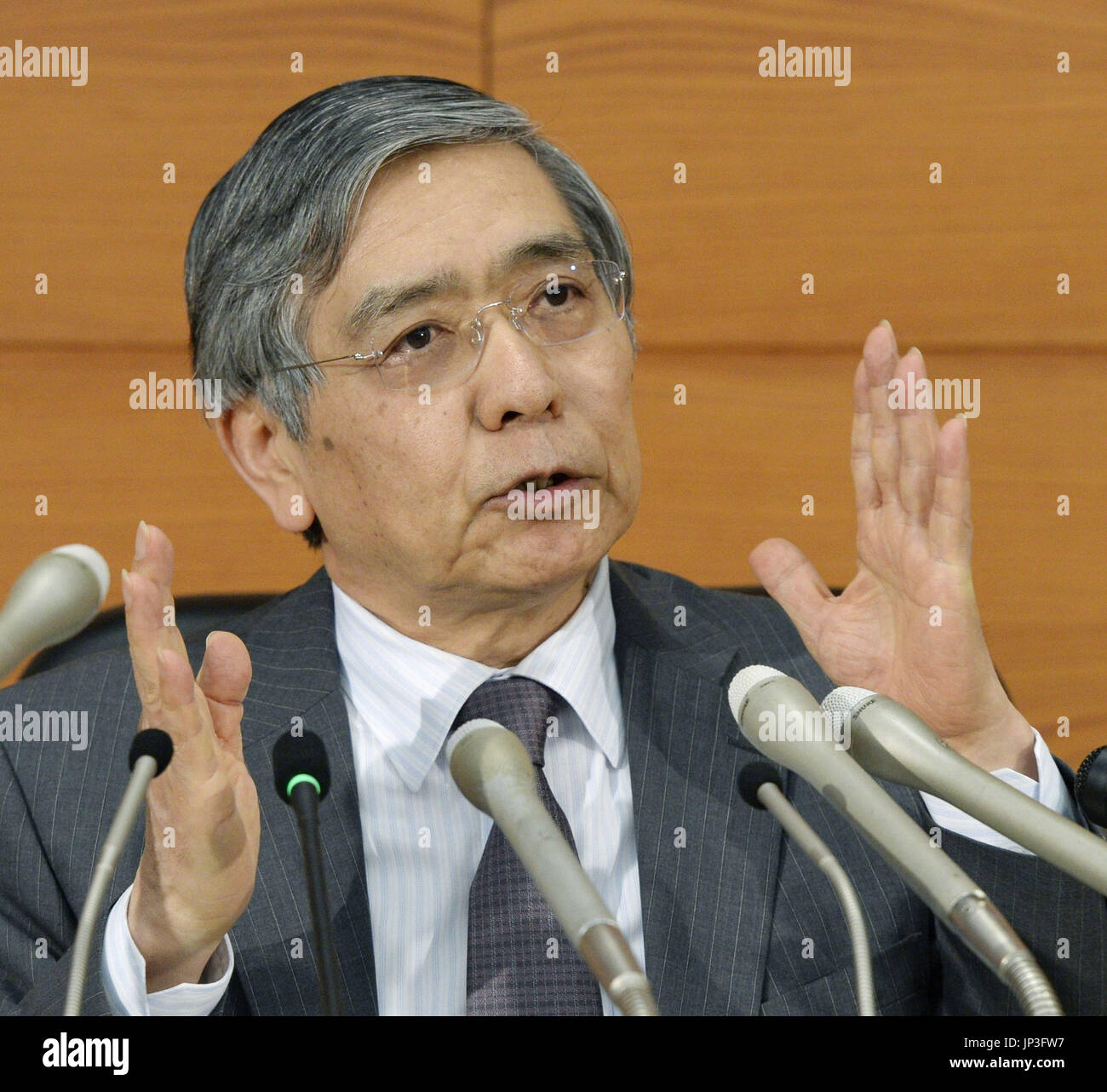
For those looking for official updates, the Bank of Japan continues to publish its policy meeting outcomes and governor press conference transcripts on its official portal. These documents serve as the primary source for understanding the shifting landscape of Japan’s monetary policy. As the financial sector adapts to this new reality, the focus for the remainder of the fiscal year will be on how efficiently the economy absorbs these higher borrowing costs without triggering a contraction in industrial output or private housing demand.
The Bank of Japan’s next scheduled Monetary Policy Meeting is set to take place in the coming months, an event that will be closely scrutinized by economists globally for any signals regarding the further normalization of interest rates. We encourage our readers to share their thoughts on these economic developments in the comments section below.
Related reading