Japan’s new Prime Minister: A Rightward Shift adn uncertain future
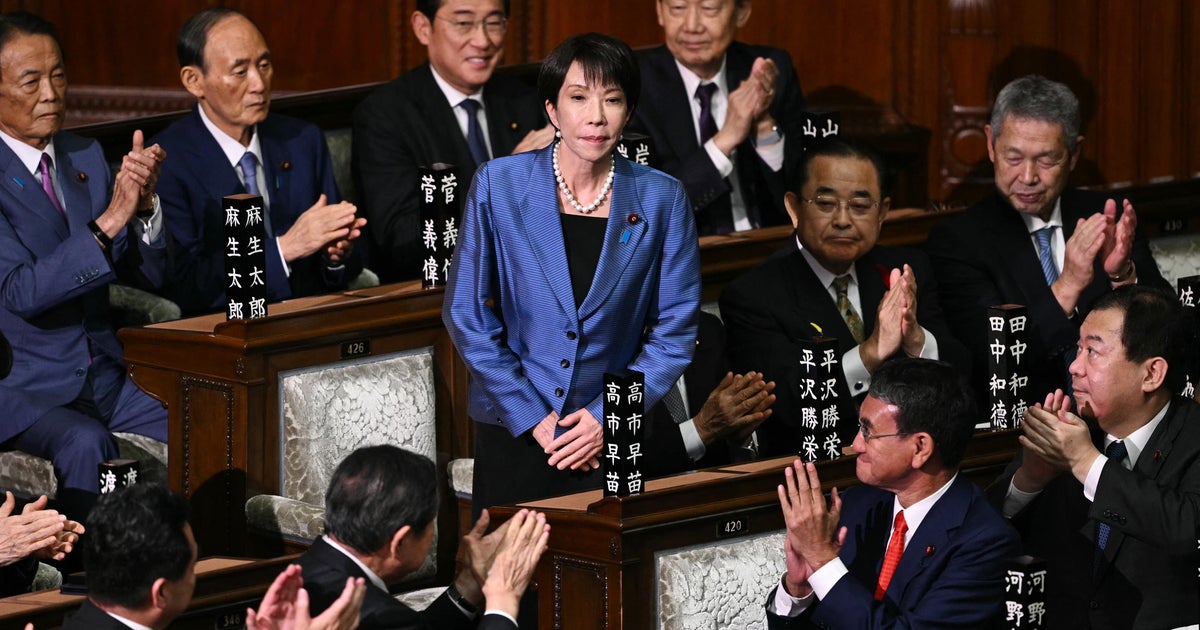
Sanae Takaichi has made history as Japan’s first female Prime Minister, but her path to power is fraught with challenges. While a critically important moment, her victory doesn’t guarantee stability. Her newly formed coalition is currently short of a parliamentary majority, meaning she’ll need to navigate complex negotiations with other opposition groups to enact her agenda – a situation that could lead to a short-lived government.
This article will break down what Takaichi’s premiership means for Japan, both domestically and internationally, and what hurdles she faces in teh coming months.
A Fragile Coalition & the Search for Stability
Takaichi’s rise comes after a period of upheaval within the long-ruling Liberal Democratic Party (LDP). The LDP recently lost its longstanding coalition partner,the Komeito party,due to concerns over political scandals and Takaichi’s more conservative stances.
Now, she’s relying on a coalition with the Japan Innovation Party (JIP). However,this alliance isn’t a guaranteed win. As Takaichi herself acknowledged, “Political stability is essential right now. Without stability,we cannot push measures for a strong economy or diplomacy.”
Here’s a swift look at the key factors impacting her stability:
* Minority Government: Lacking a clear majority, every legislative push will require securing support from other parties.
* Internal Divisions: The LDP itself is not monolithic,and Takaichi will need to manage differing viewpoints within her own party.
* Public Discontent: Rising prices and economic anxieties are fueling support for opposition groups, including the far-right Sanseito party.
A Shift to the Right: Policy & Ideology
Takaichi’s victory signals a clear move to the right for Japan. Her policies reflect a hawkish and nationalistic worldview, shaped by her mentorship under the late Prime minister Shinzo Abe and admiration for Margaret Thatcher.
Expect to see a focus on:
* Stronger Military: Continuing Abe’s efforts to bolster Japan’s defense capabilities.
* Economic Revitalization: Implementing policies aimed at stimulating economic growth, especially in the face of rising inflation.
* Constitutional Revision: Potentially revisiting Japan’s pacifist constitution, a long-held goal of conservative factions.
Though, her views on social issues are considerably more traditional. She’s a vocal opponent of gender equality initiatives, same-sex marriage, and allowing separate surnames for married couples.This stance is likely to disappoint those hoping for progressive social reforms.
Economic challenges & Immediate Priorities
Beyond ideological battles, Takaichi faces pressing economic concerns. Years of deflation have been replaced by rapidly rising prices, impacting household budgets and fueling public frustration.
Her immediate priorities include:
* Addressing Inflation: Implementing measures to mitigate the impact of rising prices on consumers.
* Economic Stimulus: Compiling an economy-boosting package by late December to address public concerns.
* International Relations: Navigating complex relationships with key partners like the United States, including upcoming talks with President Trump.
* Policy Speech: Delivering a major policy speech this week to outline her vision for Japan.
Controversial Past & Diplomatic Concerns
Takaichi’s past actions and statements have drawn criticism, both domestically and internationally. Her frequent visits to the Yasukuni Shrine – a memorial honoring Japanese war dead,including convicted war criminals – have repeatedly strained relations with China and South Korea,who view these visits as a lack of remorse for wartime aggression.
While she recently opted to send a religious ornament to the shrine instead of visiting in person, her history remains a point of contention.The Komeito party specifically cited her “revisionist view of Japan’s wartime past” as a reason for leaving the governing coalition.
What This Means for You & the Future of Japan
As Japan’s first female Prime Minister, Sanae Takaichi’s appointment is undeniably historic. Though, her success hinges on her ability to forge a stable coalition, address pressing economic concerns, and navigate complex diplomatic challenges.
You can expect a more assertive Japan on the world stage, with a renewed focus on national security and economic growth. Though, the path forward is uncertain, and her government’s longevity will depend on her ability
Worth a look