
Tokyo, May 13, 2026 — In a high-stakes diplomatic maneuver ahead of U.S. President Donald Trump’s landmark visit to Beijing this week, Japanese Prime Minister Sanae Takaichi and U.S. Treasury Secretary Scott Bessent held closed-door talks in Tokyo on Tuesday. Their discussions centered on the evolving U.S.-China relationship, regional supply chain resilience and the delicate balance of economic cooperation amid geopolitical tensions. The meeting underscored Japan’s pivotal role as a mediator between Washington and Beijing, while also highlighting Tokyo’s growing alignment with U.S. Strategic priorities in the Indo-Pacific.
The talks took place as global markets brace for the Trump-Xi Jinping summit, expected to address trade disputes, Taiwan’s security, and the fallout from the unresolved Iran war—a conflict that has disrupted energy markets and supply chains critical to Japan’s economy. With Japan relying on the Middle East for approximately 75% of its oil imports, the discussions included measures to mitigate economic volatility, particularly in currency markets where excess fluctuations pose risks to both nations’ exporters.
Bessent’s visit to Tokyo marked the first leg of a broader regional tour, with stops in Seoul for U.S.-China trade negotiations scheduled later this week. In a statement posted on X (formerly Twitter), Takaichi emphasized the “close cooperation” between Japan and the U.S., stating that the two sides would “further elevate the alliance” through strengthened supply chains and the integration of cutting-edge artificial intelligence to reduce risks. Meanwhile, Bessent reiterated Washington’s push for “rapid and consistent progress” on a pending U.S.-Japan investment agreement, a deal that could reshape technology and critical minerals trade between the two allies.
Through this close cooperation, we will further elevate the alliance between Japan and the United States.
— Sanae Takaichi (@PrimeMinisterJP) May 12, 2026
Supply Chains and AI: The Economic Backbone of the Alliance
Central to the discussions was the need to fortify supply chains against disruptions, a priority that gained urgency following Beijing’s sharp response to Takaichi’s November remarks on Taiwan. In March, during a visit to Washington, Takaichi and Trump jointly “committed to peace and stability across the Taiwan Strait,” a stance that has strained Japan-China relations. While Beijing has not softened its criticism, Tokyo’s unwavering support for Taiwan’s security has positioned Japan as a critical partner in U.S. Efforts to counterbalance China’s regional influence.
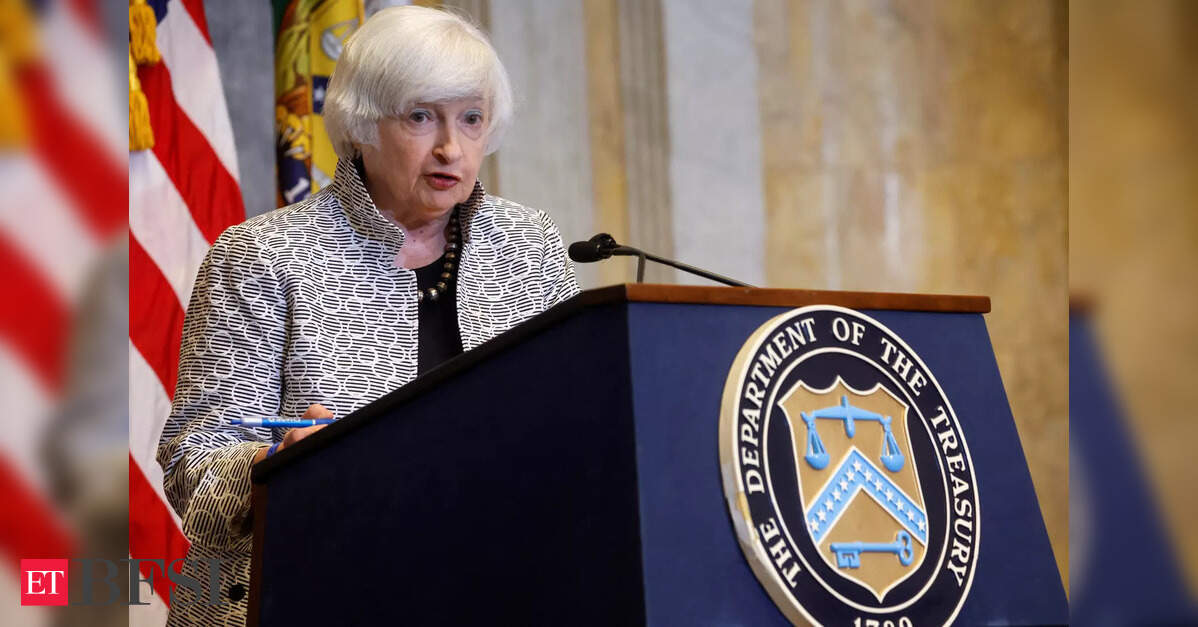
Bessent’s meetings with Japanese Economy, Trade and Industry Minister Ryosei Akazawa and Finance Minister Satsuki Katayama focused on critical minerals—essential components for semiconductors and green energy technologies—and the broader framework for economic partnership. The U.S. Has identified Japan as a key ally in securing rare earth minerals, which are vital for defense and renewable energy sectors. Katayama’s office confirmed that the two sides reaffirmed “strong economic partnership” and noted “constant and robust” coordination to address currency market volatility, a direct reference to recent fluctuations in the yen-dollar exchange rate.
Key Takeaways:
- Strategic Alignment: The U.S. And Japan reaffirmed their commitment to a “free and open Indo-Pacific,” with supply chain resilience and AI-driven risk mitigation as top priorities.
- Taiwan Tensions: Japan’s stance on Taiwan remains firm, despite Beijing’s disapproval, signaling deeper integration with U.S. Security policies in the region.
- Investment Agreement: Progress on the U.S.-Japan investment treaty is critical for technology and critical minerals trade, with Bessent urging “rapid and consistent” advancements.
- Economic Coordination: Currency market stability and energy security—particularly amid the Iran war—were highlighted as areas requiring joint action.
- China Summit Fallout: Japan will closely monitor the Trump-Xi meeting’s wording on Taiwan, with potential implications for regional security and trade policies.
What Happens Next: The Road Ahead
Bessent’s next stop is Seoul, where U.S. And Chinese trade negotiators will convene ahead of the Trump-Xi summit. The talks in South Korea are expected to focus on resolving outstanding trade grievances, including tariffs on Chinese goods and market access for U.S. Firms. Meanwhile, Japanese officials have indicated that they will monitor the summit’s outcomes for any shifts in China’s stance on Taiwan or its economic policies toward regional allies.

For businesses and investors, the immediate focus will be on the following developments:
- U.S.-Japan Investment Agreement: Negotiators are under pressure to finalize terms by the end of June, with stakeholders awaiting clarity on sectors like semiconductor manufacturing and renewable energy.
- Currency Market Stability: The Bank of Japan and U.S. Federal Reserve are expected to maintain close communication to prevent excessive yen volatility, which could impact imports and corporate earnings.
- Taiwan Security: Any official statements from the Trump-Xi meeting on Taiwan’s status will be scrutinized for signals of de-escalation or further tension, particularly by Tokyo.
- Critical Minerals Supply: Japan and the U.S. May announce joint initiatives to secure rare earth mineral supplies, potentially including partnerships with Australian and African producers.
Why This Matters: Japan’s Pivotal Role in U.S.-China Dynamics
Japan’s position as the only Asian member of the G7 and a major U.S. Ally makes it indispensable in shaping the Indo-Pacific’s economic and security architecture. The recent talks with Bessent reflect Tokyo’s dual strategy: deepening economic ties with Washington while navigating a delicate relationship with Beijing. With China accounting for nearly 20% of Japan’s total trade, the balance between cooperation and competition will define Asia’s economic trajectory in the coming years.

For global markets, the outcomes of these discussions—and the Trump-Xi summit—will influence everything from semiconductor supply chains to energy prices. Investors are watching closely for signals on tariffs, technology transfers, and the potential for a broader U.S.-Japan-China economic framework. Meanwhile, the Iran war’s unresolved status adds another layer of uncertainty, particularly for Japan’s energy-dependent economy.
As the region braces for the summit’s fallout, one thing is clear: Japan’s role as a bridge between the U.S. And China is more critical than ever. The coming weeks will test whether economic pragmatism can outweigh geopolitical divisions—or whether new fault lines are forming in Asia’s economic landscape.
Next Steps: What to Watch
The next major checkpoint is the Trump-Xi Jinping summit in Beijing, scheduled for May 16–17, 2026. Key deliverables to monitor include:
- The official joint statement’s language on Taiwan, which will be closely analyzed by Tokyo for signals of U.S. Commitment to regional security.
- Any announcements on trade concessions, including tariff reductions or new market access agreements for U.S. And Japanese firms.
- Statements on critical minerals and supply chain diversification, particularly regarding rare earth elements.
- Updates on currency market coordination between the U.S., Japan, and China to stabilize the yen and other Asian currencies.
For real-time updates, follow official statements from the Japanese Ministry of Finance, the U.S. Department of the Treasury, and the White House press office. Businesses with exposure to Asia should also consult advisories from the U.S. Trade Representative and the Japan External Trade Organization (JETRO) for sector-specific guidance.
We welcome your insights and questions on how these developments may impact global trade and investment. Share your thoughts in the comments below or reach out to our team at [email protected]. For breaking updates, follow World Today Journal on X, LinkedIn, and our newsletter.
Worth a look