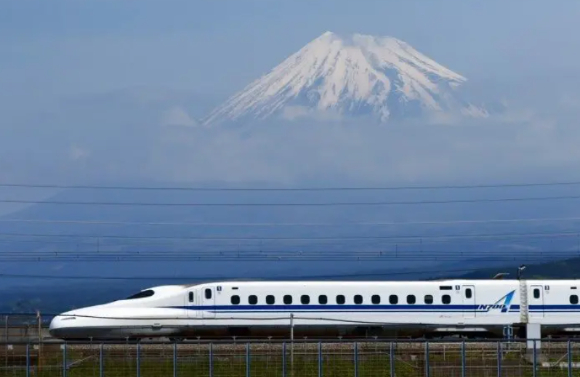
Japan’s recent efforts to revitalize regional tourism through transport subsidies for international visitors have triggered a public debate regarding perceived inequality between foreign travelers and domestic residents. As the Japanese government and various prefectures push to distribute tourist traffic away from the “Golden Route” of Tokyo, Kyoto, and Osaka, programs offering discounted rail travel—including potential fare reductions for high-speed Shinkansen lines—have drawn criticism from local taxpayers who argue they are excluded from similar financial relief.
The core of the tension lies in the implementation of “Welcome to Japan” initiatives, which often bundle travel incentives exclusively for non-resident passport holders. According to data from the Japan Tourism Agency (JTA), these policies are designed to encourage longer stays in rural prefectures to combat “overtourism” in major metropolitan hubs. However, the optics of providing subsidized travel to international tourists while domestic residents face rising inflation and stagnant wage growth has sparked vocal dissatisfaction on social media platforms and in local town hall discussions, as noted in recent reports by major Japanese news outlets.
The Mechanics of Tourism Subsidies
To understand the current friction, it is necessary to examine how these subsidies operate. The Japanese government frequently partners with regional authorities to offer travel vouchers or discounted rail passes, such as the Japan Rail Pass, which is available only to visitors entering the country under a “Temporary Visitor” visa status. As specified by Japan Railways (JR), these passes are strictly prohibited for use by Japanese citizens or foreign residents living in Japan long-term.
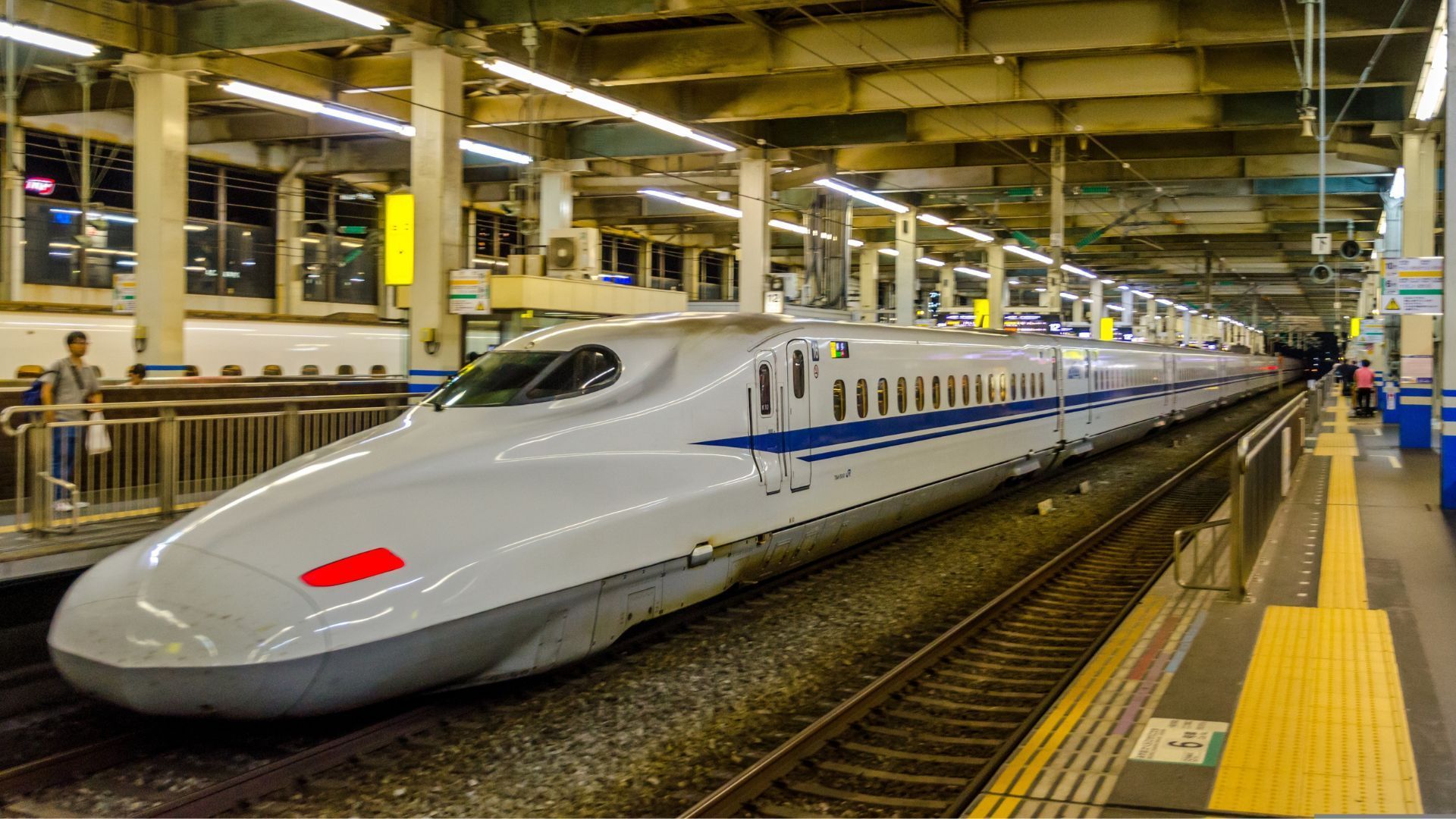
The objective is clear: incentivize spending in areas that typically see lower foot traffic. By lowering the barrier to entry for transportation, the government aims to disperse the record-breaking influx of tourists. Official statistics from the Japan National Tourism Organization (JNTO) indicate that international arrivals have surged significantly post-pandemic, leading to infrastructure strain in historic districts. Yet, for the average Japanese commuter, the exclusion from these “half-price” or “discounted” travel schemes feels like a lack of support for their own domestic travel needs, which are also vital for the local economy.
Public Sentiment and the “Discrimination” Narrative
The perception of “discrimination” stems from a sense of economic exclusion. While international visitors enjoy promotional pricing, domestic residents often pay full fare for the same Shinkansen services. This has led to widespread online discourse where citizens question why government-backed funds are used to subsidize foreign travel while domestic tourism subsidies—formerly known as the “Go To Travel” campaign—have been curtailed or eliminated.
According to reports from the Ministry of Economy, Trade and Industry (METI), the “Go To Travel” campaign, which provided significant discounts for domestic stays, was a major pillar of pandemic-era support. Its subsequent phasing out has left a vacuum that current, foreign-exclusive campaigns have failed to fill in the eyes of the public. The frustration is not merely about the price of a train ticket; it is a manifestation of broader economic anxiety regarding the cost of living and the prioritization of foreign currency revenue over domestic welfare.
Regional Revitalization vs. Local Equity
The Japanese government maintains that these measures are essential for regional revitalization. Prefectures such as Akita, Aomori, and Shimane have long struggled with depopulation and a shrinking tax base. By attracting international tourists, these regions gain access to external capital. However, critics argue that this strategy creates a “two-tier” system where the benefits of tourism are not equitably distributed among the local population.
As documented by the Ministry of Internal Affairs and Communications, the government continues to explore “hometown tax” (Furusato Nozei) programs as a way to allow citizens to support regional areas, yet this does not provide the immediate, tangible travel relief that tourists receive. The challenge for policymakers remains balancing the urgent need for international tourism revenue with the political imperative to keep domestic residents satisfied with the distribution of national resources.
What Happens Next
The government is expected to address these concerns during the upcoming legislative session, where the focus will likely shift toward more inclusive domestic travel incentives. For now, the Japan Tourism Agency has not announced any plans to extend Shinkansen subsidies to domestic travelers, maintaining that the current focus is on managing the influx of international arrivals. Readers interested in the latest official policy updates can monitor the official portal of the Japan Tourism Agency for any shifts in national travel promotion strategies. We invite our readers to share their perspectives on this issue in the comments section below.
Related reading