
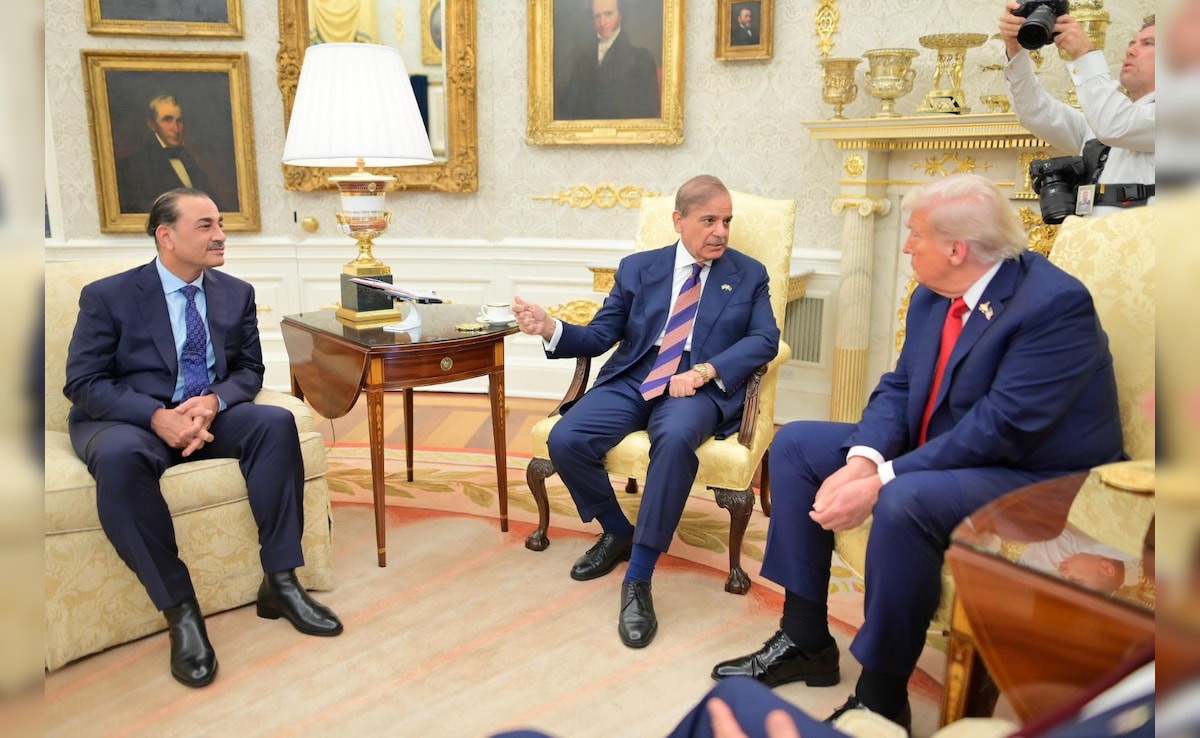
In the first half of 2025, Pakistan’s lobbying expenditures in Washington drew significant attention as records showed substantial payments to U.S.-based firms aiming to influence policy and secure high-level access. Among these, Javelin Advisors emerged as one of several entities compensated for strategic advisory work during a period of heightened diplomatic engagement.
According to filings with the U.S. Department of Justice under the Foreign Agents Registration Act (FARA), Javelin Advisors received $200,000 for services rendered between January and June 2025. This figure was part of a broader trend in which Pakistani interests increased their spending on American lobbying firms ahead of regional developments, including military operations that later prompted a reassessment of these contracts.
The payments were disclosed in quarterly reports filed by the firm, which detailed activities ranging from regulatory monitoring to strategic counsel on bilateral relations. Whereas the specific nature of the work remains outlined in general terms in the disclosures, the timing coincided with efforts by Pakistani officials to strengthen ties with the Trump administration through backchannel engagement and policy advocacy.
Javelin Advisors, registered as a foreign agent for Pakistan during this period, describes its practice as providing “strategic advisory from leaders in law, government affairs, and high-stakes operations.” The firm’s website emphasizes its expertise in navigating regulatory complexity and securing access to U.S. Power centers, noting that its leadership includes former officials with experience in the White House and global legal systems.
Other firms also appeared in the disclosures. Seiden Law, Orchid Advisers, and additional entities were listed as having received payments from Pakistani clients during the same timeframe. One firm was reported to have been paid $1.5 million for work related to embassy outreach, though the exact recipient of this amount was not individually named in the publicly available summaries of the filings.
By mid-2025, yet, Pakistan began scaling back its lobbying presence in Washington. Federal disclosures indicated that the government had terminated contracts with five major lobbying firms, including Javelin Advisors, Seiden Law, and Orchid Advisers. The move was attributed to shifting priorities following regional developments, including the initiation of Operation Sindoor, which altered the strategic calculus behind the lobbying campaign.
The terminations were reflected in updated FARA filings showing withdrawal notices submitted by the firms or their clients. These documents serve as the primary public record of the engagements, offering transparency into the financial flows and scope of foreign influence efforts in the U.S. Capital.
While lobbying by foreign governments is legal when properly disclosed, the scale of Pakistan’s spending in early 2025 raised questions about the effectiveness and oversight of such efforts. Analysts noted that the surge in payments occurred amid broader geopolitical tensions, with Islamabad seeking to balance relationships with traditional partners and emerging security arrangements.
The episode underscores the role of private-sector intermediaries in facilitating access to U.S. Policymakers, particularly during periods of diplomatic uncertainty. Firms like Javelin Advisors position themselves as conduits for sensitive negotiations, offering discretion and established networks in exchange for substantial retainers.
As of mid-2025, the lobbying contracts had been suspended, with no public indication of their reinstatement. Officials from both Pakistan and the involved firms have not issued detailed public statements explaining the full rationale behind the initial investments or their subsequent cancellation.
For readers seeking to verify these details, the U.S. Department of Justice maintains a public FARA database where all foreign agent registrations and financial disclosures are accessible. The records provide the most authoritative source for tracking the timing, amounts, and nature of such engagements.
The situation remains fluid, with no further lobbying disclosures from Pakistani entities reported in the second half of 2025. Any future resumption of such activities would require new filings and would be subject to the same transparency requirements under U.S. Law.
Understanding the mechanics of foreign lobbying offers insight into how nations navigate complex international environments, particularly when direct diplomatic channels face strain. The Pakistan case illustrates both the reach and limitations of influence operations in Washington, where access is often purchased but not always guaranteed to yield desired outcomes.
As global power dynamics continue to evolve, the use of private advisory firms by state actors remains a persistent feature of international relations—one that thrives on relationships, timing, and the perpetual demand for influence in the world’s most consequential policy arena.
Stay informed on developments in global diplomacy and influence tracking by following updates from official sources and reputable financial disclosures. Share this article to help others understand the often-hidden mechanics of international engagement.