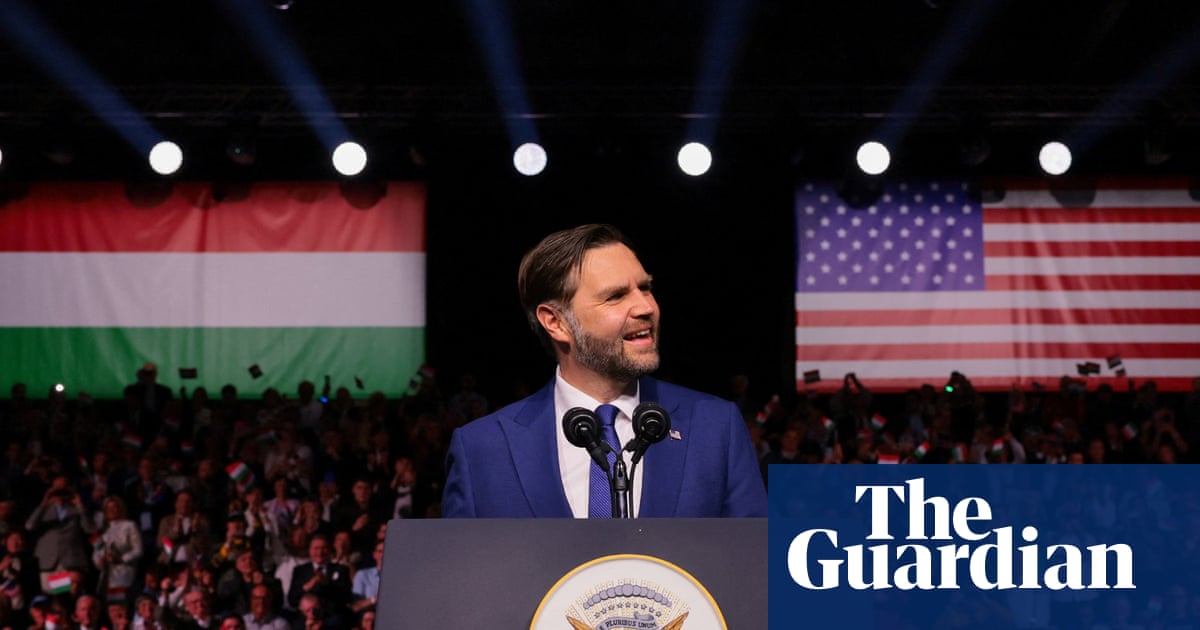
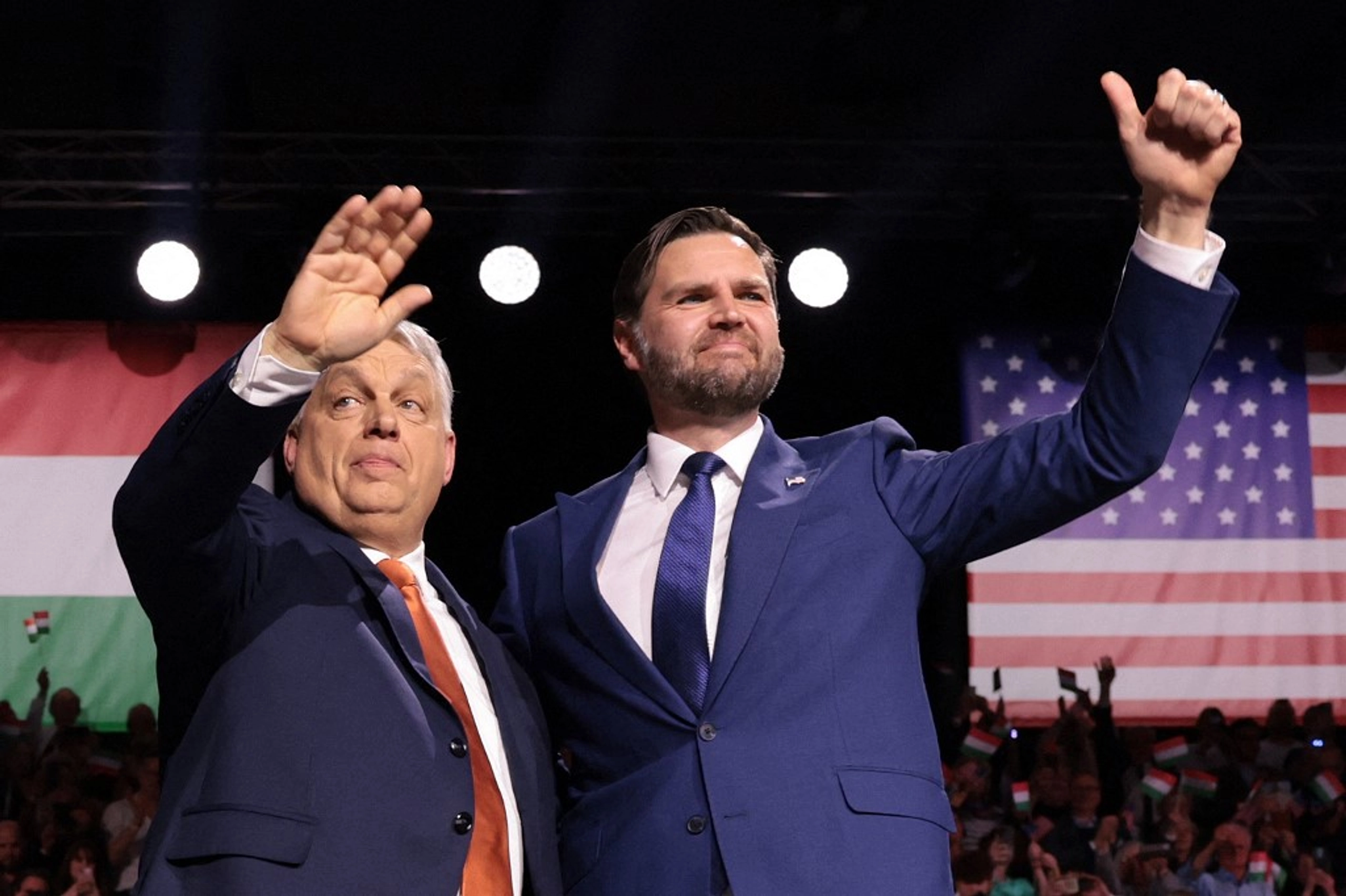
U.S. Vice President JD Vance has sparked significant diplomatic friction following a high-profile visit to Budapest, where he offered a ringing endorsement of Hungarian Prime Minister Viktor Orbán. During the visit, which took place just days before Hungary’s critical election on April 12, 2026, Vance launched a series of blistering attacks against the European Union, accusing the bloc of unprecedented interference in the country’s domestic political processes.
Standing alongside Orbán, Vance claimed that “bureaucrats in Brussels” were attempting to “destroy the economy of Hungary” and were actively working to produce the nation less energy-independent. He further alleged that the EU was responsible for “one of the worst examples of election interference” he had ever witnessed, specifically citing the imposition of “digital censorship” on social media companies to manipulate information provided to Hungarian voters according to reporting on the claims.
The visit represents the first top-level U.S. Visit to Hungary in 20 years, signaling a deepening alliance between the Trump administration and Orbán. However, the timing is precarious; Orbán is currently facing what is described as the toughest challenge of his 16-year rule, with opposition rival Péter Magyar leading in most opinion polls per BBC reports.
While Vance’s rhetoric aimed to shore up support for his ally, his assertions regarding the EU’s economic warfare and censorship have been met with skepticism. Analysis of the claims reveals a disconnect between the Vice President’s narrative and the financial reality of Hungary’s relationship with the European Union, as well as the legal framework governing EU digital policy.
Analyzing the ‘Brussels Bureaucracy’ and Economic Claims
A central theme of Vance’s speech was the alleged malice of the “bureaucrats in Brussels.” In political terms, this phrase typically refers to the European Commission, the body responsible for drafting and enforcing EU law. However, the narrative that an unelected bureaucracy unilaterally dictates policy ignores the fact that EU laws and policies are determined by its 27 member states, frequently with the direct input of the European Parliament.
Vance’s claim that the EU has tried to “destroy” Hungary’s economy is particularly contentious given the financial flows between the two. Despite the Vice President’s accusations of economic sabotage, Hungary remains a net recipient of EU funds as noted in recent fact-checks. This creates a paradoxical situation where the Hungarian government continues to rely on the particularly institution the U.S. Vice President characterized as an enemy of the state’s economic stability.
The tension over energy independence as well looms large. Vance suggested that Brussels has actively worked to undermine Hungary’s energy security, driving up costs for consumers. This narrative aligns with Orbán’s own political positioning, which often emphasizes national sovereignty over EU-wide climate and energy mandates, though Vance provided few specific policy examples to substantiate the claim of a deliberate attempt to “destroy” the economy.
Allegations of Election Interference and Digital Censorship
The most severe accusation made by JD Vance was that the EU is engaging in “foreign election interference.” He specifically alleged that Brussels is “telling” social media companies what information to provide to Hungarian voters, effectively imposing “digital censorship.”
When scrutinized, these claims lack supporting evidence. Vance did not offer specific examples of which social media companies were being coerced or which specific pieces of information were being suppressed. These claims are seen as a misrepresentation of EU law, which focuses on the regulation of illegal content and disinformation rather than the targeted censorship of a specific political leader’s campaign per analysis of the Vice President’s remarks.
This intervention comes at a time when the Hungarian electoral landscape is highly volatile. Péter Magyar and his Tisza party have emerged as formidable challengers to Orbán’s long-standing dominance. In response to Vance’s visit, Magyar stated that his party welcomes the visit and would continue to view the United States as a prominent partner, both as an economic partner and a NATO ally, should his party take office according to the BBC.
Tensions with Ukraine and the ‘Scandalous’ Remarks
Beyond the EU, Vance’s visit was marked by a sharp defense of Orbán against the Ukrainian government. The relationship between Budapest and Kyiv has reached a nadir, characterized by mutual accusations of sabotage and political manipulation. Hungary has accused Ukraine of deliberately stopping the flow of Russian oil through the Druzhba pipeline to influence the upcoming Hungarian elections as reported by Al Jazeera.
Ukraine has denied these claims, stating that the pipeline was damaged by a Russian drone attack in late January and is currently being repaired. The diplomatic fallout escalated when Hungary blocked a 90-billion-euro ($105bn) EU loan intended for Ukraine per Al Jazeera. This move prompted Ukrainian President Volodymyr Zelenskyy to make a pointed remark, suggesting he could provide the address of the person responsible to the Ukrainian army, who could “speak with him in their own language.”
Speaking at a Hungarian university, JD Vance condemned Zelenskyy’s comments as “completely scandalous” according to Al Jazeera. By echoing Budapest’s grievances, Vance has positioned the U.S. Administration in direct opposition to the Ukrainian leadership’s rhetoric, further cementing the bond between the Trump administration and the Orbán government.
Key Context: The Stakes of the April 12 Election
| Stakeholder | Position/Action | Stated Goal/Concern |
|---|---|---|
| Viktor Orbán | Seeking re-election after 16 years in power | Maintain national sovereignty and “golden age” US relations |
| JD Vance | Endorsed Orbán during Budapest visit | Combat “Brussels bureaucracy” and EU “interference” |
| Péter Magyar | Leading in most opinion polls | Offer an alternative to Orbán’s long-term rule |
| European Union | Enforcing EU laws and funding | Upholding rule of law and digital regulations |
| Ukraine | Seeking EU loans and pipeline repairs | Secure financial and energy stability amid conflict |
What This Means for Transatlantic Relations
The intervention of a sitting U.S. Vice President in a European member state’s election is a rare and aggressive diplomatic move. By framing the EU as an adversary and an agent of “interference,” Vance is not only supporting a specific candidate but is actively challenging the legitimacy of the European Union’s governance structures.
For the EU, these claims are viewed as an attempt to destabilize the bloc from within by empowering Eurosceptic leaders. For the Trump administration, however, Orbán represents a key European ally and a model for the “nationalist” approach to governance they wish to promote globally. The “new golden age” in relations mentioned by Hungarian Foreign Minister Péter Szijjártó appears to be built on a shared opposition to the current institutional framework of the EU according to the BBC.
The immediate impact of Vance’s visit remains to be seen. While it provides a psychological boost to Orbán’s base, the polling data suggests that a significant portion of the Hungarian electorate may be looking for a change in leadership. The outcome of the election will determine whether the U.S. Continues to have a steadfast ally in Budapest or if it must pivot to a new partner in the form of Péter Magyar.
The next critical checkpoint is the Hungarian election on April 12, 2026, which will decide the future of Viktor Orbán’s premiership and the trajectory of Hungary’s relationship with both the EU and the United States.
World Today Journal encourages readers to share their thoughts on this developing story in the comments below and share this report with their networks.
Worth a look