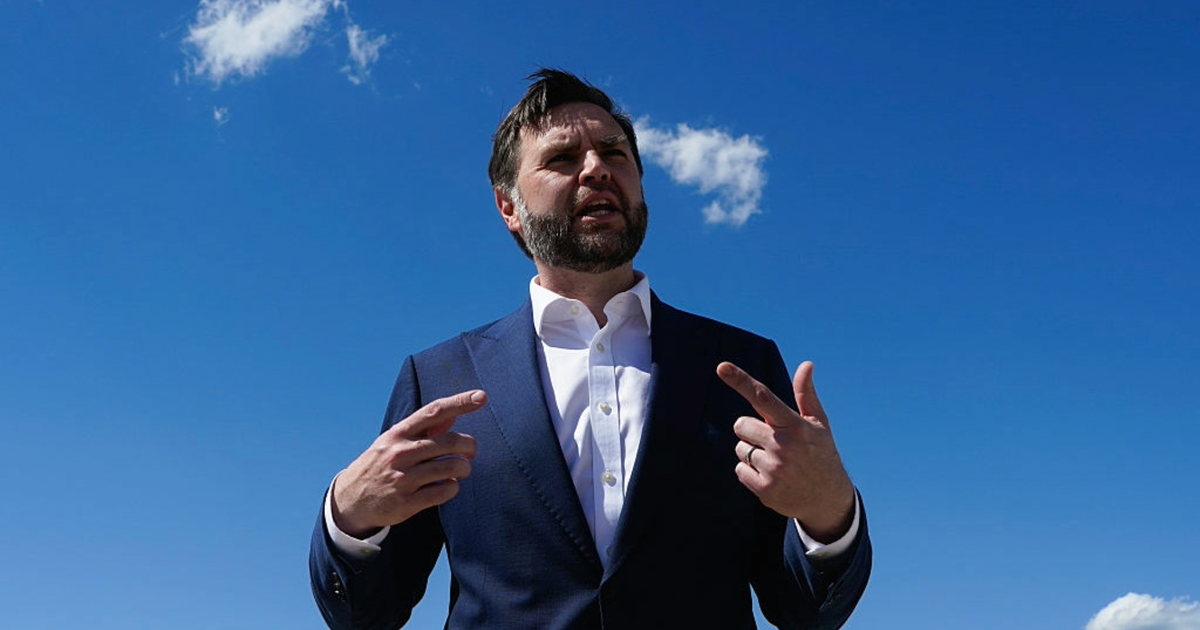
United States Vice President JD Vance is traveling to Switzerland this week to engage in high-level diplomatic discussions regarding Iran, according to multiple reports from administration officials familiar with the scheduling. Simultaneously, President Donald Trump has issued a series of statements defending his ongoing administrative initiative to renovate and enhance the aesthetic appearance of Washington, D.C., addressing criticisms regarding federal spending and urban planning priorities.
The diplomatic mission to Switzerland marks a significant development in the administration’s foreign policy approach toward Tehran. While the White House has maintained a policy of “maximum pressure,” the deployment of the Vice President to a neutral venue suggests a shift toward active, albeit indirect, engagement. According to the U.S. Department of State, Switzerland has historically served as a critical intermediary between Washington and Tehran, hosting the U.S. Interests Section within the Swiss Embassy in Iran.
Diplomatic Efforts in Switzerland
Vice President Vance’s presence in Switzerland is framed as an effort to establish a channel for de-escalation and potential dialogue. The administration has not released an official agenda, but foreign policy analysts suggest the talks will likely focus on regional stability, nuclear non-proliferation, and the status of detained foreign nationals. As reported by the Reuters news agency, the use of Swiss mediation is a long-standing diplomatic convention, given that the United States and Iran have lacked formal diplomatic relations since 1980.

The success of these discussions remains subject to verification by international observers. The International Atomic Energy Agency (IAEA) continues to monitor Iranian nuclear activities, noting in its most recent quarterly report that compliance remains a point of contention in international security circles. Officials have not confirmed whether the Vice President will meet directly with Iranian representatives or rely on Swiss officials to shuttle proposals between the two delegations.
President Trump’s Washington D.C. Beautification Initiative
While the Vice President manages foreign affairs, President Trump has been actively defending his domestic agenda, specifically the “beautification” push in the nation’s capital. The initiative, which seeks to prioritize classical architecture and improve the maintenance of federal monuments and parks, has faced scrutiny from local officials and urban design advocates regarding the allocation of federal funds.
In comments provided through his official communications office, President Trump stated that the project is intended to restore the “grandeur” of the federal district. The debate over the project, tracked by the National Park Service, centers on the balance between historic preservation and the modernization of public spaces. Critics argue that the funds could be better utilized for infrastructure maintenance in underserved D.C. neighborhoods, while supporters emphasize the importance of national symbolism and tourism revenue.
Contextualizing Federal Policy Priorities
The simultaneous focus on international diplomacy and domestic urban renewal reflects a dual-track strategy for the current administration. By addressing the Iranian nuclear file through established diplomatic channels in Europe, the administration seeks to project stability on the global stage. Simultaneously, the focus on Washington’s aesthetic standards serves as a hallmark of the President’s populist platform, emphasizing a return to traditional national aesthetics.

According to the White House, upcoming updates on the Swiss diplomatic mission are expected following the conclusion of the Vice President’s meetings. For the Washington beautification project, the next phase involves a review process by the Commission of Fine Arts, which is slated to hold its next public hearing in late July. Interested parties can monitor official proceedings through the commission’s public portal to track budget allocations and design approvals.
We invite readers to share their perspectives on these developments in the comments section below. How do you view the role of neutral intermediaries in modern diplomacy, and what are your thoughts on federal involvement in the architectural standards of capital cities? Your engagement helps foster a more robust discussion on the issues shaping our global landscape.