
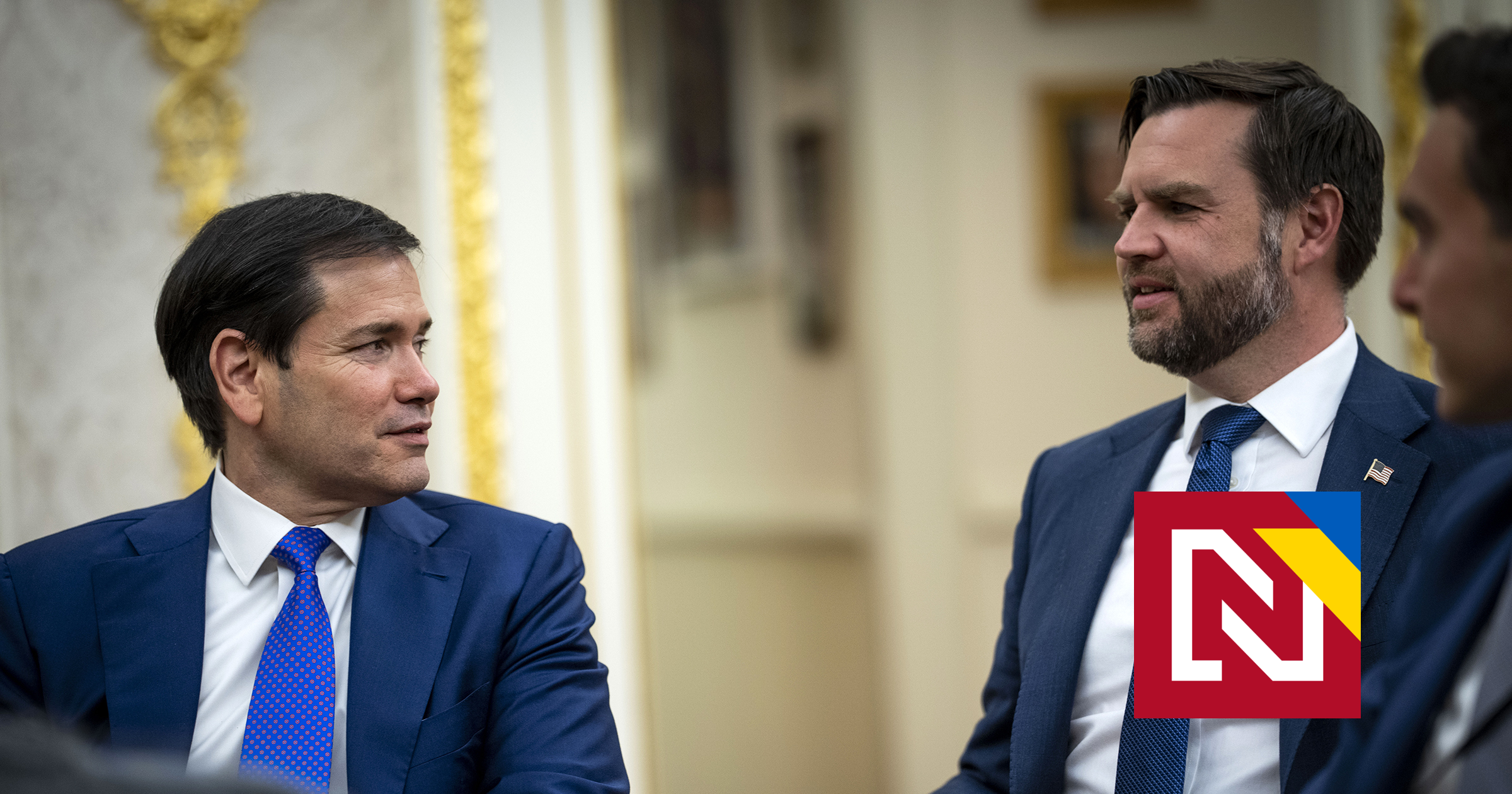
In the high-stakes theater of American politics, loyalty is the primary currency, but viability is the ultimate goal. As Donald Trump prepares for his second term, reports have emerged suggesting that the President-elect is already engaged in a subtle, ongoing assessment of his inner circle, specifically weighing the long-term political strengths of Vice President-elect J.D. Vance against those of Secretary of State nominee Marco Rubio.
This internal deliberation, characterized by Trump’s habit of questioning aides and confidants about who would be the “better” successor, reveals more than just a curiosity about the 2028 horizon. It highlights a strategic tension within the MAGA movement: the choice between the ideological purity of the “New Right,” embodied by Vance and the institutional experience and broader electoral appeal of a seasoned politician like Rubio.
For global observers and policymakers, this dynamic is not merely a matter of internal GOP housekeeping. The trajectory of the Republican Party’s leadership will dictate the future of U.S. Foreign policy, trade relations, and the stability of international alliances. Whether the movement leans toward the isolationist tendencies of the Vance wing or the more traditional, albeit Trump-aligned, hawkishness of Rubio will determine how the United States engages with adversaries and allies alike for the next decade.
As the transition process accelerates, the perceived competition between these two figures underscores a recurring pattern in Trump’s leadership style—the “audition” process—where allies are frequently pitted against one another to test their resilience, loyalty, and ability to command a crowd.
The Ideological Heir: J.D. Vance and the New Right
J.D. Vance was not a natural fit for the Republican establishment, and that is precisely why he became Donald Trump’s choice for Vice President. Representing a shift toward “National Conservatism,” Vance champions a brand of populism that prioritizes the American working class over corporate interests and views traditional neoliberal globalization with deep skepticism. His ascent marks the formal arrival of the “New Right” at the highest levels of government.

Vance’s appeal lies in his ability to articulate the grievances of the “forgotten man,” a narrative that has become the bedrock of the current Republican coalition. However, his rapid rise has not been without friction. His previous criticisms of Trump, followed by a swift and total pivot to loyalty, have left some old-guard Republicans wary. Despite this, his role as Vice President provides him with a unique platform to shape policy and build a national profile that is inextricably linked to Trump’s legacy.
From a geopolitical perspective, Vance has often signaled a desire to scale back U.S. Involvement in foreign conflicts, particularly in Ukraine. This “America First” approach is more pronounced in Vance than in almost any other senior official in the incoming administration, suggesting a potential shift toward a more transactional and isolationist foreign policy if he becomes the primary influence on future GOP leadership.
The Institutional Powerhouse: Marco Rubio’s Strategic Ascent
If Vance represents the movement’s ideological future, Marco Rubio represents its strategic versatility. A longtime Senator from Florida, Rubio has evolved from a “Never Trump” skeptic during the 2016 primaries to one of the President-elect’s most trusted advisors on foreign affairs. His nomination for Secretary of State is a signal that Trump values Rubio’s deep understanding of international diplomacy and his ability to communicate with a diverse electorate, particularly Hispanic voters in swing states.

Rubio brings a level of institutional knowledge that Vance lacks. With years of experience on the Senate Foreign Relations Committee, Rubio understands the levers of power in Washington and the complexities of global diplomacy. While he has fully embraced the MAGA agenda, Rubio remains more aligned with the tradition of American global leadership, albeit with a sharper focus on confronting adversaries like China, and Iran.
The “competition” between Rubio and Vance is not necessarily a clash of personalities, but a clash of archetypes. Rubio is the polished orator and seasoned legislator; Vance is the disruptive intellectual and populist firebrand. By questioning who is “better,” Trump is essentially asking which version of the Republican Party is more sustainable for the long term: the one that disrupts the system from the outside or the one that captures and redirects the system from within.
The ‘Audition’ Culture: How Trump Manages Power
To understand why Donald Trump would openly query his circle about the relative merits of his Vice President and his Secretary of State, one must understand his approach to personnel management. Trump rarely views loyalty as a static state; rather, it is a performance that must be continuously validated. By creating a perceived rivalry between Vance and Rubio, Trump ensures that neither man becomes too powerful or too comfortable in his position.
This method of “triangulation” allows the President-elect to maintain absolute control. If Vance becomes too influential with the populist base, Trump can elevate Rubio. If Rubio appears too tied to the “establishment” way of doing things, Trump can lean into Vance’s disruptive energy. This environment forces his subordinates to compete for his favor, ensuring that their primary focus remains on his approval rather than on building their own independent power bases.
This dynamic is not new. Throughout his first term, Trump utilized similar tactics with cabinet members and advisors, often playing different factions—such as the globalists versus the nationalists—against each other. In the context of 2028, So that neither Vance nor Rubio can assume they are the “anointed” successor. The path to the presidency in the post-Trump era will likely be a grueling endurance test of loyalty and public appeal.
The 2028 Horizon: Who Wins the MAGA Legacy?
The question of who would be the better successor is not just about who can win an election, but who can maintain the coalition Trump has built. The MAGA movement is a broad tent, encompassing blue-collar workers, evangelical Christians, and a growing number of libertarians and Hispanic voters. The “ideal” successor must be able to hold these disparate groups together while evolving the movement to survive without Trump’s singular personality at the center.
Vance has the advantage of being the designated heir in the official hierarchy. As Vice President, he will have the most direct access to the presidency and the opportunity to lead key initiatives. However, the Vice Presidency can often be a “gilded cage,” where the occupant is expected to be a loyal supporter without being allowed to develop a distinct political identity. If Vance is seen as merely a shadow of Trump, he may struggle to command the party on his own.
Rubio, conversely, has the advantage of a broader, more traditional political appeal. His ability to navigate the halls of power and his standing among the GOP’s donor class make him a “safer” bet for some. Yet, in a party that increasingly prizes disruption over diplomacy, Rubio’s polish could be viewed as a liability. The ultimate winner will be the one who can best balance the “outsider” energy of the movement with the practical requirements of governing a superpower.
Global Implications: A Tale of Two Foreign Policies
The internal struggle for the future of the GOP has direct consequences for the rest of the world. The difference between a Vance-led future and a Rubio-led future is stark, particularly regarding the U.S. Role in Europe and Asia.
- The Vance Approach: Likely characterized by a significant reduction in foreign aid, a skeptical view of NATO, and a “fortress America” mentality that prioritizes domestic stability over global hegemony.
- The Rubio Approach: Likely to maintain a strong U.S. Presence abroad, focusing on “maximum pressure” against adversaries and using diplomatic alliances to contain China, while remaining firmly committed to the MAGA framework of “America First.”
World leaders are watching this dynamic closely. A shift toward the Vance school of thought could signal a retreat from traditional security guarantees, potentially forcing European allies to accelerate their own defense spending and strategic autonomy. A shift toward Rubio suggests a more predictable, if still aggressive, version of American leadership.
Key Takeaways for the Global Audience
- Strategic Competition: Donald Trump is reportedly assessing J.D. Vance and Marco Rubio as potential future leaders, using competition to maintain internal control.
- Ideological Split: The tension represents a choice between the “New Right” populism of Vance and the institutional, diplomatic experience of Rubio.
- Power Dynamics: Trump’s leadership style involves “auditioning” allies, meaning no successor is guaranteed and loyalty is constantly tested.
- Foreign Policy Impact: The eventual dominance of either figure will significantly alter how the U.S. Handles NATO, Ukraine, and the competition with China.
What Happens Next?
The immediate focus remains on the confirmation process for the new cabinet. Marco Rubio’s confirmation hearing before the Senate Foreign Relations Committee will be a critical juncture. It will not only test his ability to secure the Secretary of State role but will also serve as a public demonstration of his standing within the party and his alignment with Trump’s vision.

Simultaneously, J.D. Vance will begin his tenure as Vice President, where his ability to manage the legislative agenda and maintain his populist credentials will be under intense scrutiny. The “competition” for the future of the GOP is not a sprint, but a marathon that will play out across the next four years of the administration.
As these two figures navigate their roles in the second Trump administration, the world will gain a clearer picture of who is truly positioned to inherit the MAGA legacy and what that means for the global order.
Do you believe the future of the Republican Party lies in the populist disruption of J.D. Vance or the strategic experience of Marco Rubio? Share your thoughts in the comments below and subscribe to World Today Journal for continued analysis of global power dynamics.