
The geopolitical tension in the Persian Gulf reached a critical flashpoint on Monday as the United States military initiated a sweeping US blockade of Iranian ports, a move that threatens to dismantle a fragile 14-day ceasefire and further destabilize global energy markets. The escalation follows the collapse of high-stakes peace negotiations in Islamabad, Pakistan, leaving the international community braced for a potential military confrontation in one of the world’s most vital maritime corridors.
U.S. Vice President JD Vance has sharply condemned Iran’s actions, accusing the regime of engaging in “economic terrorism” through its effective blockade of the Strait of Hormuz. Speaking to Fox News, Vance argued that the U.S. Response—blocking Iranian vessels and any ships paying tolls to the regime—is a direct consequence of Tehran’s attempt to blackmail the global economy. “Well, as the President of the United States showed, two can play at that game,” Vance stated, asserting that the U.S. Will ensure no Iranian ships can exit their ports if Tehran continues to obstruct international traffic .
The current crisis is the result of a diplomatic failure over the weekend. A U.S. Delegation, including Vice President Vance and special envoys Steve Witkoff and Jared Kushner, engaged in 21 hours of negotiations in Islamabad. While Vance described the conversations as “solid” and noted that the Iranian delegation “moved in our direction,” he admitted they did not move far enough to secure a breakthrough . The talks reportedly stalled over U.S. “red lines” regarding Iran’s nuclear ambitions and its support for terrorism, prerequisites that Washington insists must be met before Iran can be treated as a “normal country.”
The Naval Standoff: Trump’s Orders and Iranian Retaliation
President Donald Trump has taken a hardline stance to pressure Tehran back to the negotiating table, ordering the U.S. Military to block all Iranian vessels from entering or exiting their ports. In a formal statement, the President warned that any “fast-attack” ships attempting to approach or breach the blockade would be “eliminated” . This aggressive posture is intended to apply maximum economic leverage against a regime already struggling under international pressure.
Tehran has responded with equal hostility. Iran’s Revolutionary Guards issued a warning that any military vessels approaching the Strait of Hormuz would be viewed as a breach of the ceasefire and would be “dealt with harshly and decisively” . The Revolutionary Guards’ stance suggests that the window for a diplomatic resolution is closing rapidly as both nations position their naval assets for a potential clash.
The strategic importance of the Strait of Hormuz cannot be overstated. As a primary artery for global oil shipping, its de facto closure during the ongoing conflict has already caused global energy prices to soar. President Trump explicitly stated that the U.S. Cannot allow a country to “blackmail or extort the world,” referring to Iran’s control over the strait .
Diplomatic Deadlock in Islamabad
The failure of the Islamabad talks highlights a profound gap between Washington’s demands and Tehran’s willingness to concede. Vice President Vance indicated that while progress was made, the Iranian delegation had to return to Tehran for approval on terms set by the U.S. Side. He maintained that the “ball is in the Iranian court,” suggesting that the U.S. Has place significant offers on the table, but that Iran must first abandon its pursuit of nuclear weapons .
From the Iranian perspective, the demands are viewed as insurmountable. Iranian President Masoud Pezeshkian told French President Emmanuel Macron that “unreasonable” demands from the Washington administration prevented a deal from being reached. However, Iranian Foreign Minister Abbas Araghchi offered a slightly more optimistic view, noting that there had been “progress on many issues discussed” during the talks .
A central point of contention remains the full reopening of the Strait of Hormuz. Vance noted that the fragile 14-day ceasefire, which began last week, was predicated on Tehran agreeing to reopen the waterway. According to Vance, the U.S. Has not seen a “full reopening,” and he accused Iran of trying to “move the goalposts” during the negotiations .
Global Fallout and NATO Divergence
The US blockade of Iranian ports has created a rift among Western allies. While the U.S. Pushes for a total maritime shutdown of Iranian trade, NATO allies Britain and France have explicitly stated they will not be drawn into the conflict by participating in the blockade .
British Prime Minister Sir Keir Starmer emphasized that the United Kingdom’s priority is the restoration of maritime stability. Speaking to BBC 5 Live, Starmer stated he is focused on getting the Strait of Hormuz reopened “as quickly as possible” in an effort to mitigate the impact of soaring energy prices on the global economy . This divergence suggests that while the U.S. Is utilizing military force as a tool for diplomatic leverage, European powers are more concerned with the immediate economic fallout of the energy supply shock.
Key Dimensions of the Crisis
| Issue | United States Position | Iranian Position |
|---|---|---|
| Strait of Hormuz | Accuses Iran of “economic terrorism”; demands full reopening. | Controls the strait; views U.S. Naval presence as a ceasefire breach. |
| Diplomatic Terms | Demands end to nuclear ambitions and terrorism. | Claims U.S. Demands are “unreasonable.” |
| Military Action | Blockade of Iranian ports; threat to eliminate “fast-attack” ships. | Revolutionary Guards threaten “harsh” retaliation against military vessels. |
| Negotiation Status | Believes “ball is in Tehran’s court” after Islamabad failure. | Acknowledges some progress but rejects core U.S. Red lines. |
What So for Global Stability
The current escalation represents a high-risk gamble by the Trump administration. By implementing a blockade, the U.S. Is attempting to force Iran into a “grand deal” that would fundamentally alter the regime’s nuclear and regional capabilities. However, this strategy risks a direct military engagement that could further spike oil prices and draw in regional powers.
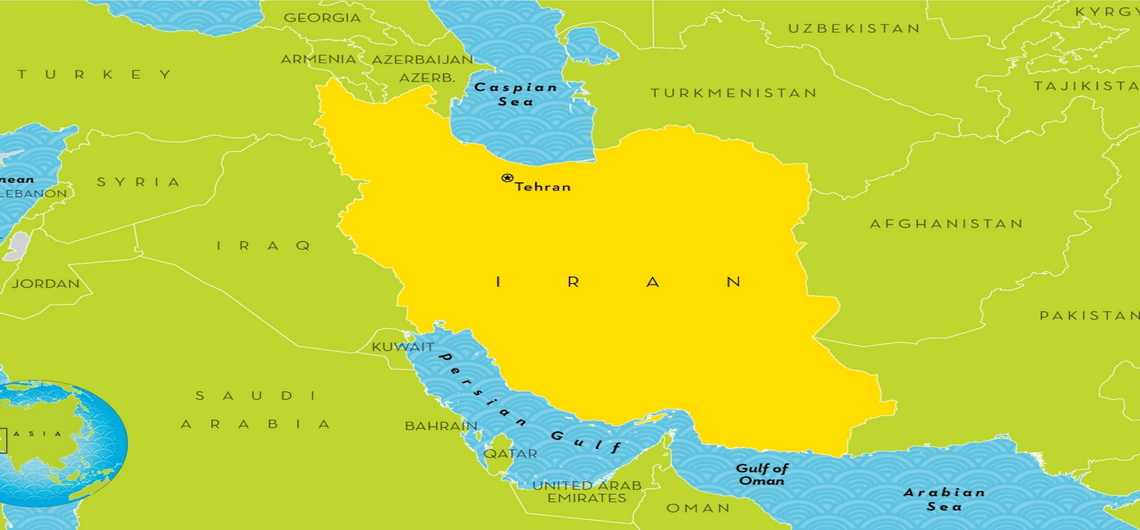
The impact on global energy is already palpable. With the Strait of Hormuz—a critical chokepoint for oil—in a state of semi-blockade, markets are reacting to the possibility of a prolonged shutdown. The refusal of Britain and France to join the naval operation underscores the fragility of the Western coalition in this specific theater of conflict.
As of Tuesday, April 14, the situation remains volatile. The 14-day ceasefire is effectively in jeopardy, and the world is watching to see if Tehran will take the “next step” requested by Vice President Vance or if the Revolutionary Guards will act on their threats of decisive retaliation.
The next critical checkpoint will be the official response from Tehran regarding the U.S. Blockade’s implementation and whether any secondary round of talks is scheduled to replace the failed Islamabad summit. We will continue to monitor official statements from the White House and the Iranian Foreign Ministry.
Do you believe a naval blockade is an effective tool for diplomatic leverage in the modern era, or does it risk unnecessary escalation? Share your thoughts in the comments below.
Related reading