
The complex legacy of Léo Ferré, the iconic French singer-songwriter and poet, continues to be explored through the personal accounts of those who navigated his tempestuous genius. Among these is Jean-Jacques Pedretti, a composer and former impresario who shared a unique and enduring friendship with the artist spanning fifteen years.
Their relationship, characterized by an “extraordinary friendship,” offers a glimpse into the private world of a man known as much for his rebellious spirit and uncompromising artistic standards as for his profound lyrical contributions to the French chanson tradition. Pedretti’s recollections provide a rare perspective on the intersection of Ferré’s public persona and his private eccentricities.
One such vivid memory centers on a visit to Porrentruy, where the singer-poet’s unpredictable nature was on full display. The anecdote highlights a striking contrast: the dramatic transition from the intensity of a stage performance to the mundane, yet stubborn, refusal to partake in local culinary traditions—specifically, a refusal to taste fried carp.
The Artistic Partnership of Jean-Jacques Pedretti and Léo Ferré
Jean-Jacques Pedretti’s association with Léo Ferré was not merely professional but deeply personal. As an impresario, Pedretti managed the logistical and promotional aspects of Ferré’s career, but as a fellow musician, he engaged with the intellectual and emotional depth of Ferré’s work. Pedretti himself is a recognized composer, known for works such as Paroles passagères (1992), as documented by IMDb.
This fifteen-year bond allowed Pedretti to witness the duality of Ferré: the commanding presence who could captivate thousands with a single verse and the private individual whose whims could dictate the atmosphere of a room. The relationship serves as a testament to the challenges and rewards of working with an artist who refused to conform to the expectations of the music industry or social norms.
Anecdotes from Porrentruy: Stage Presence and Culinary Defiance
The stories emerging from Porrentruy illustrate the “hors-norme” (out of the ordinary) nature of Ferré’s personality. In these accounts, the transition from the stage—where Ferré exerted total control over his audience—to the dinner table revealed a different kind of conviction. The refusal to eat fried carp is not merely a dietary preference but a symbolic gesture of Ferré’s autonomy and his tendency to resist the conventional or the expected.
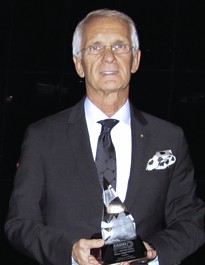
For an artist who spent his life challenging political and social structures, these small acts of defiance in his personal life mirrored his larger artistic philosophy. The tension between his role as a public figure and his desire for personal autonomy often manifested in these idiosyncratic moments, which Pedretti recounts with a mixture of admiration and amusement.
The Lasting Impact of the Singer-Poet
Léo Ferré remains a towering figure in the landscape of French music, bridging the gap between classical poetry and popular song. His influence extends beyond the melodies to the exceptionally way lyrics are delivered—often as spoken word or dramatic recitations. The memories shared by Pedretti ensure that the human element of Ferré’s journey is preserved alongside his discography.

The preservation of these stories allows future generations to understand that the “poète” was not just a voice on a record, but a man of intense passions and specific, sometimes stubborn, inclinations. The legacy of Léo Ferré is thus a blend of monumental artistic achievement and the intimate, often contradictory, details of his daily existence.
For those interested in the musical contributions of those associated with this era, the work of Jean-Jacques Pedretti continues to be archived and accessible via platforms such as Discogs, providing a sonic backdrop to the history of French composition.
As the history of 20th-century French music continues to be documented, the testimonies of former collaborators like Pedretti remain essential for a complete understanding of the artists who defined the epoch. Even as there are no further scheduled public events or official filings regarding these specific memoirs at this time, the ongoing archival of Ferré’s life continues to surface new insights into his legendary career.
We invite our readers to share their thoughts on the legacy of Léo Ferré in the comments below.
Worth a look