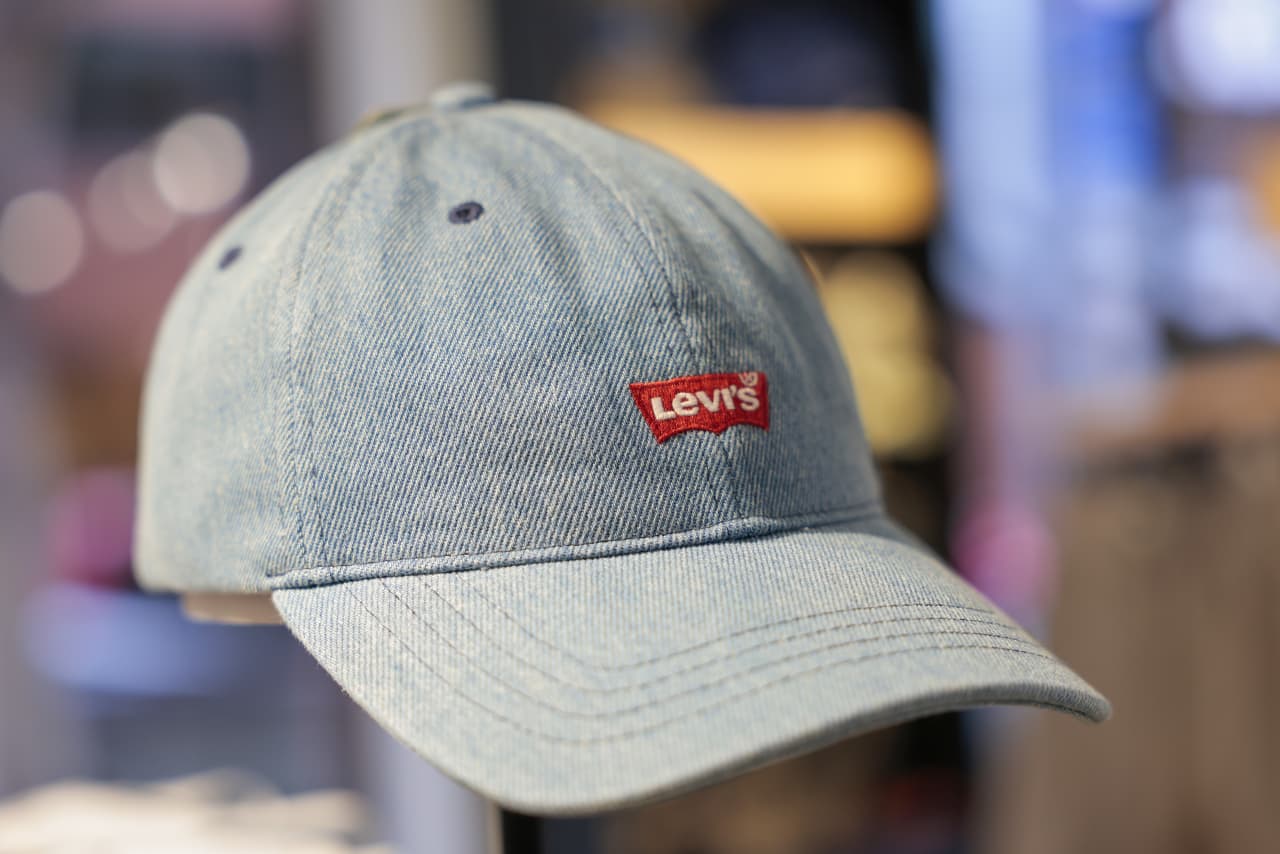
Levi Strauss & Co. has raised its full-year profit outlook for the second time this year, signaling resilience in its direct-to-consumer business model despite a broader retail sector slowdown. The company reported its revised guidance following a strategic pivot toward “denim luxury” and a renewed focus on expanding its tops and apparel categories, though investors reacted cautiously as shares fell in after-hours trading.
According to the company’s third-quarter 2024 financial results released on October 2, 2024, Levi’s now expects adjusted diluted earnings per share to range between $1.17 and $1.27 for the fiscal year. This upward revision reflects the company’s ability to maintain margins even as it navigates shifting consumer preferences and inflationary pressures that have constrained discretionary spending globally.
Strategic Shifts in Product Mix and Retail Presence
The core of Levi’s recent performance stems from a diversification of its product portfolio. While the brand remains synonymous with classic denim, management has increasingly leaned into “tops”—a category that includes shirts, jackets, and knitwear—to capture a larger share of the customer’s wallet. By moving beyond traditional blue jeans, the company is attempting to transform itself into a “lifestyle brand” that covers a wider array of wardrobe needs.

This shift is supported by a significant expansion of its direct-to-consumer (DTC) channel. By prioritizing owned retail stores and e-commerce platforms over wholesale partners, Levi’s gains better control over pricing and brand presentation. This “denim luxury” approach—which involves premium positioning for high-end collections—is designed to insulate the brand from the heavy discounting cycles often found in mass-market retail. As noted in the company’s Form 10-Q filing with the U.S. Securities and Exchange Commission, the focus on DTC has been instrumental in driving higher margins compared to the wholesale segment.
Investor Sentiment and Market Reaction
Despite the improved outlook, the market’s reaction to the quarterly results was negative. Following the earnings announcement, Levi’s shares dropped as investors weighed the profit guidance against revenue growth concerns. Analysts point to a complex retail environment where even established brands face challenges in maintaining top-line growth amid cautious consumer sentiment in the U.S. and sluggish recovery in certain international markets.
The discrepancy between the company’s internal optimism and the market’s immediate reaction highlights the volatility currently facing the apparel industry. While Levi’s has successfully managed its inventory and costs—resulting in the upward revision of its earnings forecast—the broader concern remains whether consumer demand for apparel can sustain momentum through the end of the year.
Operational Challenges and Future Outlook
Levi’s is currently undergoing an organizational restructuring, which includes a review of its Dockers brand. In the report provided by Reuters, it was confirmed that the company is exploring strategic alternatives for the Dockers business, including a potential sale. This move is part of a larger effort to streamline operations and focus resources on the core Levi’s brand, which remains the primary engine of growth.

For shareholders and market observers, the next key checkpoint will be the fourth-quarter earnings call, where management is expected to provide further clarity on the potential divestiture of Dockers and the long-term impact of its current “tops” strategy on total revenue. The company is scheduled to release its next quarterly financial update in early 2025, in line with its typical fiscal reporting cycle as outlined in its investor relations calendar.
As the company continues its transition, analysts will be watching to see if the gains in high-margin categories can offset the ongoing volatility in the global apparel market. Readers interested in the latest filings and official corporate updates can monitor the Levi Strauss & Co. Investor Relations portal for upcoming announcements and regulatory disclosures.