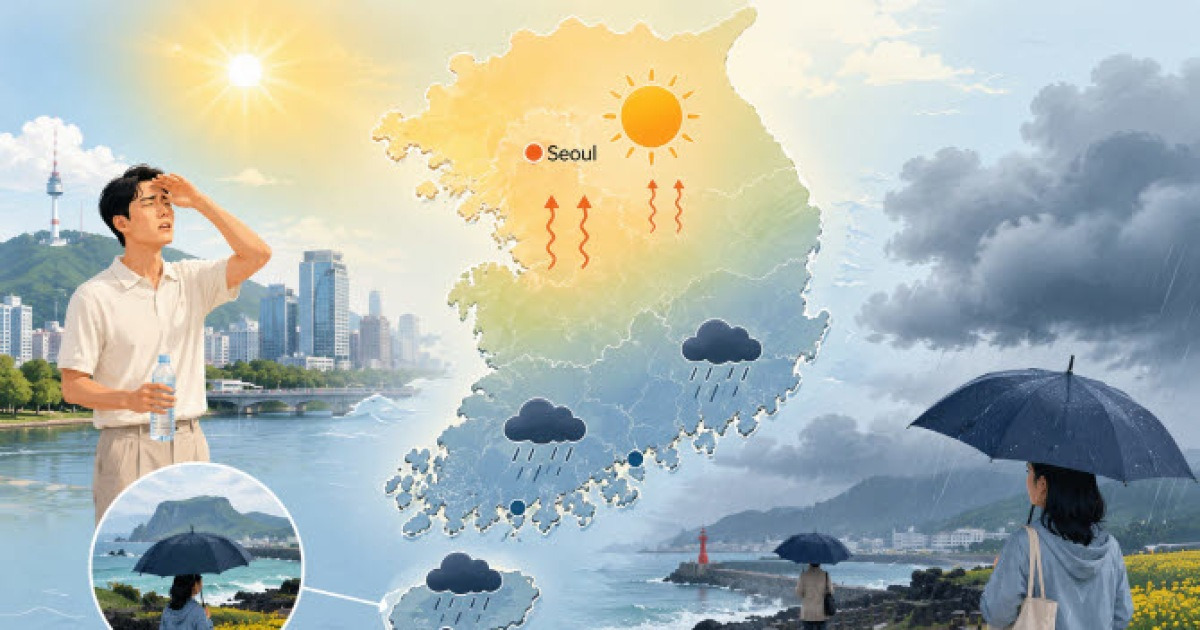
As we transition into the new month, residents across the Korean Peninsula are bracing for a noticeable shift in atmospheric conditions. Following a period of unseasonably warm, early-summer-like temperatures that have characterized the start of the week, meteorologists are tracking a distinct change in the regional climate pattern. This shift is set to bring much-needed precipitation to southern regions, marking the end of the recent dry, warm spell.
According to the latest data from the Korea Meteorological Administration (KMA), the upcoming weather system is expected to originate in the south before progressing inland. For those planning outdoor activities or travel, particularly in the southern provinces, staying updated with the latest official advisories is essential as the transition from warm, sunny conditions to overcast and rainy skies begins.
Tracking the Incoming Precipitation
The meteorological outlook indicates that the change will begin in the southern reaches of the country. Jeju Island is expected to experience a transition to overcast conditions, with precipitation commencing on the morning of the 1st. As the day progresses, the influence of this low-pressure system will expand, reaching the southern coastal areas of South Jeolla Province and South Gyeongsang Province by the evening hours.
The progression of this weather front is consistent with seasonal patterns typically seen during this time of year, where maritime moisture interacts with shifting air currents. By the early hours of the 2nd, the rain is forecast to intensify and spread further across the Jeolla region, impacting broader areas of the southern peninsula. Residents in these regions are advised to monitor local short-term weather forecasts provided by national authorities to prepare for potential travel disruptions or localized flooding in low-lying areas.
Impact on Temperatures and Daily Life
The unseasonable warmth experienced earlier this week—which saw temperatures climb to levels more reminiscent of June than the current season—is expected to moderate as cloud cover increases and rain begins to fall. While the humidity may rise, the arrival of rain will provide a cooling effect, effectively tempering the heat that has dominated the recent forecast. This fluctuation is a reminder of the variability inherent in the region’s spring climate.
For those sensitive to rapid changes in barometric pressure or temperature, such shifts can occasionally lead to localized fog, particularly in mountainous or coastal areas. The Ministry of the Interior and Safety consistently advises the public to check for updated emergency alerts and road visibility warnings during periods of changing weather conditions.
Key Takeaways for the Week Ahead
- Transition Period: The early-summer heat will subside as a new weather system moves into the southern provinces.
- Regional Impact: Precipitation begins on Jeju Island on the 1st, spreading to the southern coasts of South Jeolla and South Gyeongsang by nightfall.
- Timeline: Rainfall is expected to persist and expand into the early hours of the 2nd across the Jeolla region.
- Safety First: Motorists should exercise caution on wet roads, and residents in low-lying areas should remain vigilant for updates from local municipal authorities.
Understanding Regional Climate Variability
The movement of weather systems from the Jeju region toward the mainland is a frequent occurrence, often dictating the agricultural and urban planning schedules for the southern provinces. Experts emphasize that while this rain is vital for replenishing water supplies, the intensity of such systems can vary greatly. The KMA continues to utilize high-resolution satellite imagery and radar data to provide the most accurate projections possible, ensuring that the public has access to reliable information.
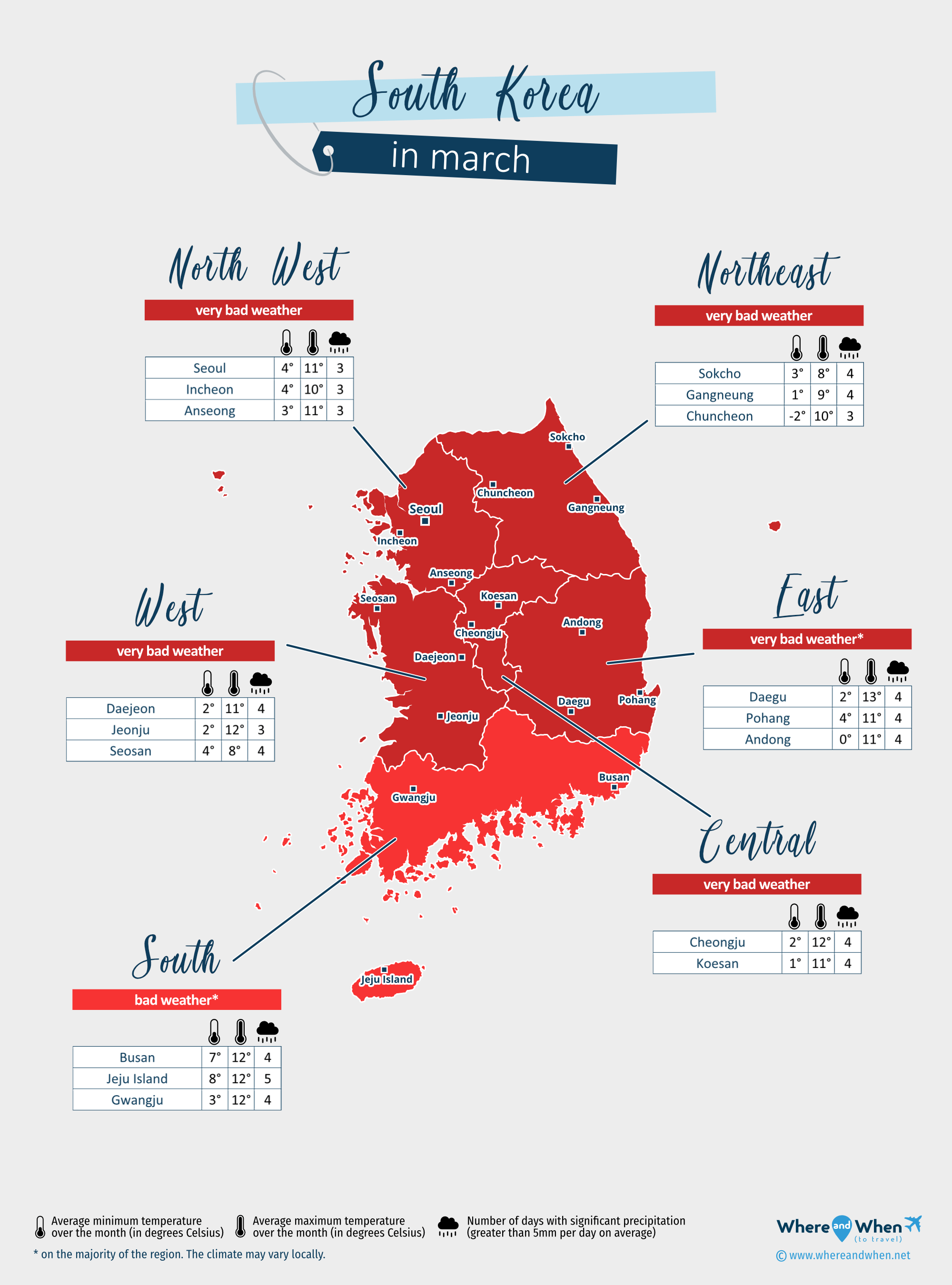
As this system passes through, the focus will shift to the subsequent temperature recovery. Historically, post-rain periods in the spring can lead to clearer skies and a return to moderate, comfortable temperatures. However, until the system fully clears the peninsula, the primary focus remains on navigating the wet conditions safely.
The next major update regarding this weather system will be issued by the Korea Meteorological Administration on their official portal. We encourage our readers to check the official KMA website for real-time radar updates and potential severe weather warnings. If you have any observations on how this weather is impacting your local area, please share your thoughts in the comments section below.