
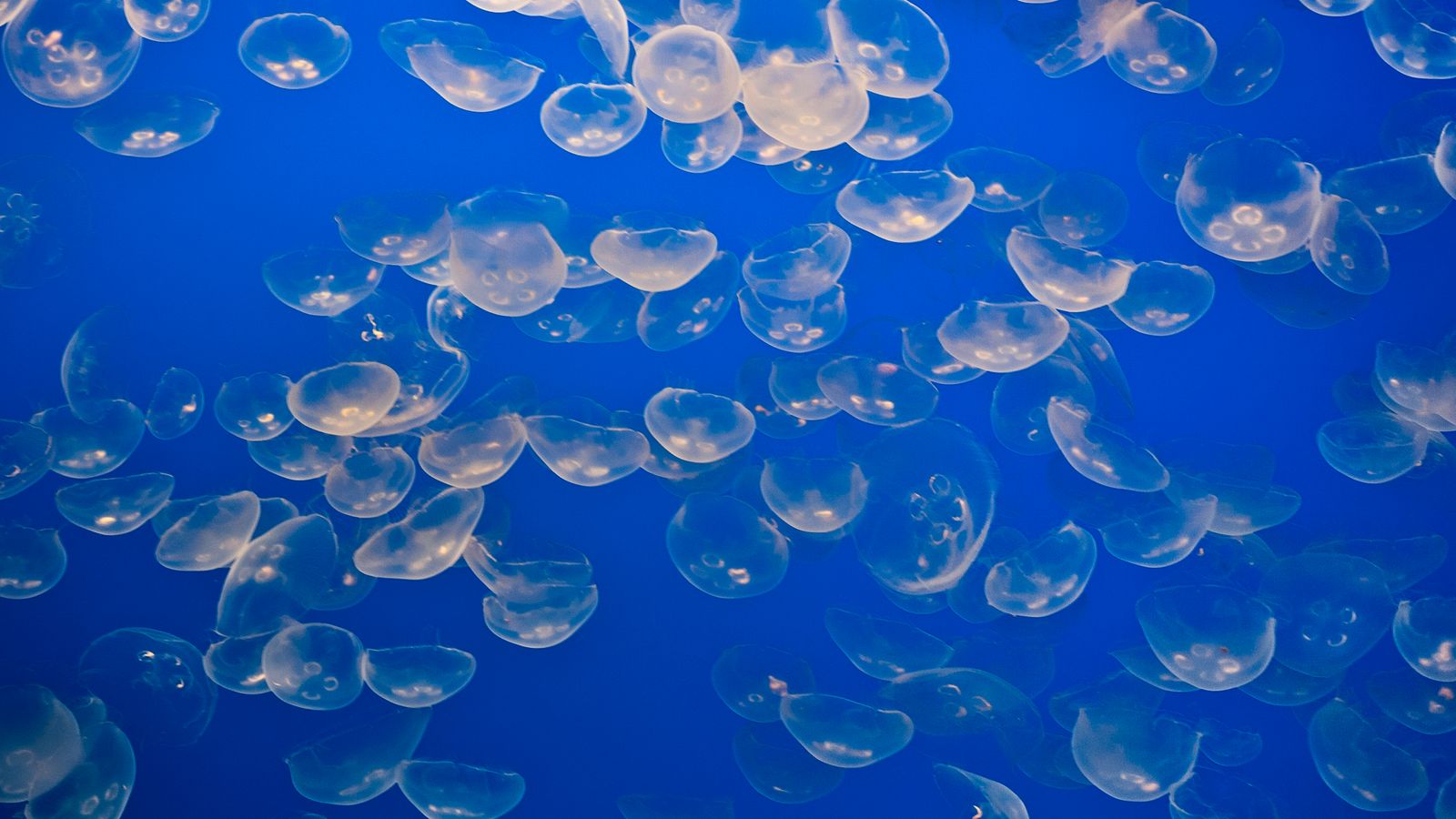
French Nuclear Plant Shuts Down Due to Jellyfish Bloom
A critical unit at the Gravelines nuclear power plant in northern France was automatically shut down on Monday,August 11th,just after 6:00 AM local time. This incident highlights a growing challenge for coastal power stations worldwide: the increasing prevalence of jellyfish blooms.
Understanding the Situation at Gravelines
The gravelines plant, located between calais and Dunkirk, boasts six units capable of generating a total of 5.4 gigawatts of power. Unit 6’s shutdown stemmed from a blockage in the plant’s pumping stations – components situated within the non-nuclear section of the facility. Fortunately, officials confirm this event posed no risk to the plant’s safety, personnel, or the surrounding environment.
Currently, the plant is temporarily offline while maintenance teams work to clear the obstruction. Two other units were already undergoing scheduled maintenance prior to this incident. Despite this disruption, France continues to export over four gigawatts of electricity to the United Kingdom.
the Rising Tide of Jellyfish & Power Plant Impacts
This isn’t an isolated event. A significant increase in jellyfish numbers has been observed in the waters around Calais. Experts attribute this bloom to rising sea temperatures and a corresponding surge in the plankton jellyfish consume.
Here’s a breakdown of the factors contributing to this phenomenon:
Warmer Waters: Jellyfish reproduce more rapidly in warmer conditions, extending their breeding season.
Plankton Abundance: Increased plankton levels provide a readily available food source.
* Global Transport: Jellyfish can be inadvertently transported across vast distances via ballast water in tanker ships.
The Gravelines plant utilizes a canal connected to the North Sea for its cooling systems, making it vulnerable to these jellyfish incursions. This issue has impacted other coastal power stations as well. For example, the Torness nuclear plant in Scotland has experienced repeated blockages due to jellyfish clogging its water intake pipes.
A Global Problem with Ancient precedent
You might be surprised to learn that jellyfish have caused large-scale power outages before. In 1999, a massive blackout struck the Philippines, and jellyfish were identified as the primary culprit.
As climate change continues to warm our oceans,these incidents are likely to become more frequent. Power plants need to proactively address this challenge to ensure a reliable energy supply. This includes exploring innovative filtration systems and developing strategies to mitigate the impact of jellyfish blooms.
Ultimately, understanding the complex interplay between environmental factors and critical infrastructure is vital for maintaining a stable and enduring energy future.





