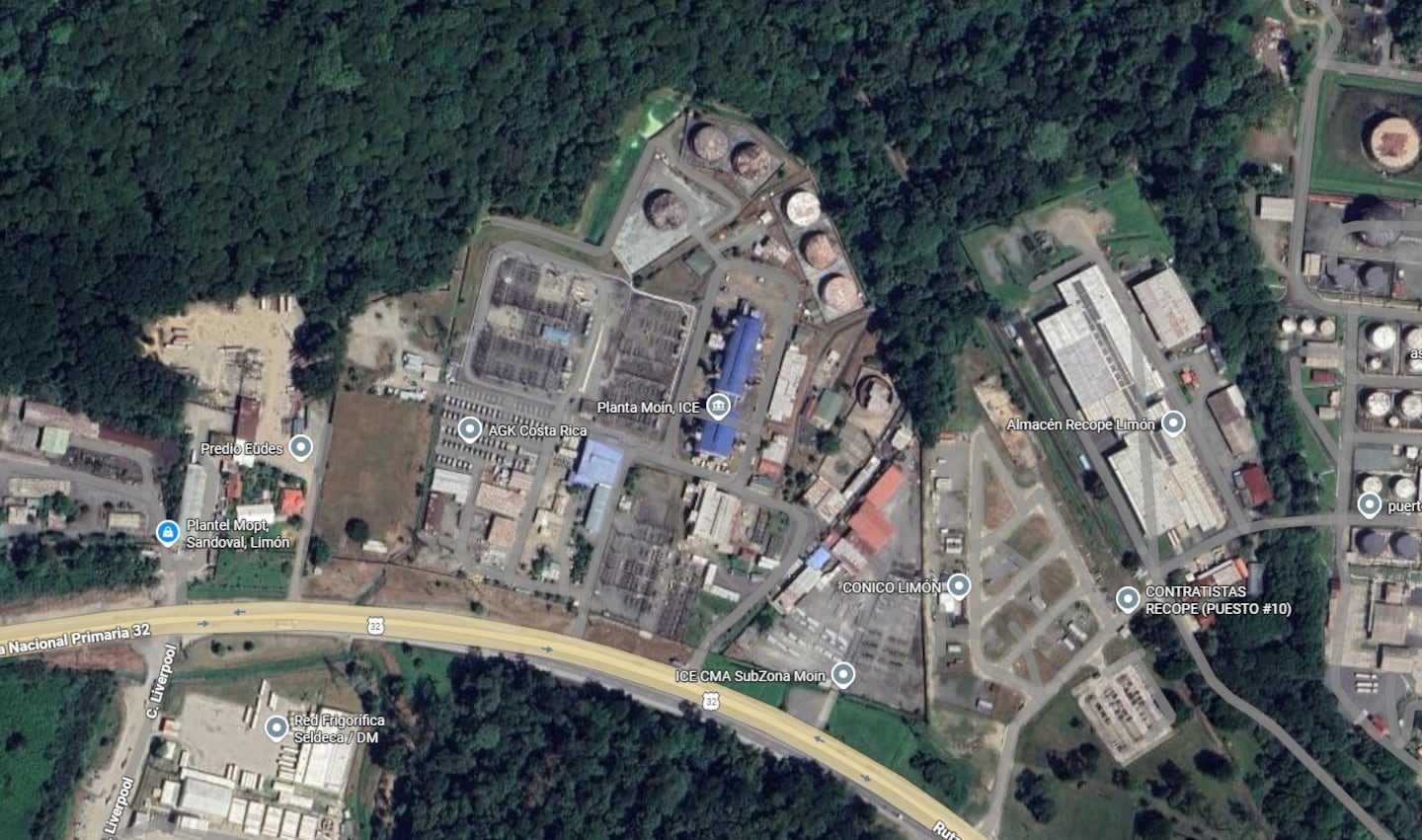
Japanese energy firm JERA has formally challenged the Instituto Costarricense de Electricidad (ICE) regarding the competitive bidding process for the construction of the Moín IV geothermal power plant. The complaint centers on the state-owned utility’s decision to limit the tender to only two participating companies for a project valued at approximately $340 million, raising concerns over transparency and the breadth of international competition in Costa Rica’s energy sector.
The dispute highlights a significant tension between the state’s procurement policies and the interests of global energy investors eyeing major infrastructure developments in Central America. According to filings reviewed by industry observers, JERA, a joint venture between Tokyo Electric Power and Chubu Electric Power, contends that the restricted nature of the selection process may not align with the principles of open competition necessary for large-scale energy projects.
The Scope of the Moín IV Project
The Moín IV project is a critical component of Costa Rica’s strategy to expand its renewable energy capacity. The proposed plant is intended to bolster the country’s grid, which relies heavily on hydroelectric and geothermal sources. The $340 million investment represents one of the largest planned infrastructure outlays in the region’s power sector for the current fiscal period, as noted in documents from the Instituto Costarricense de Electricidad.
For international firms, winning a contract of this magnitude is not merely about the capital expenditure but also about establishing a foothold in a market that aims for 100% renewable electricity. By limiting the pool of bidders to two entities, ICE faces scrutiny regarding whether such a narrow selection provides the best technical and financial value for the state. Critics of restricted procurement often argue that broader participation lowers costs and invites innovative technology, a point central to JERA’s formal objection.
Procurement Regulations and Legal Challenges
In Costa Rica, public procurement is governed by the General Law of Public Contracting, which mandates that state entities ensure competition and transparency. When a state institution like ICE limits a competition, it must justify the decision based on specific technical or emergency criteria. According to the Contraloría General de la República, the country’s comptroller office, any challenge to a tender process requires a rigorous review of whether the administrative acts adhered to these legal mandates.
JERA’s complaint brings into focus the delicate balance between the efficiency of a streamlined selection process and the legal requirement for fairness. While ICE maintains that its process is designed to meet strict project timelines, the intervention of a major global player like JERA suggests that international investors are increasingly willing to contest administrative decisions that appear to exclude them from high-value public works.
Implications for Costa Rica’s Energy Market
The outcome of this challenge could set a precedent for future energy tenders in Costa Rica. If the regulatory bodies find that the process was unduly restrictive, ICE may be required to reopen the bidding, which would inevitably delay the construction timeline for the Moín IV plant. Conversely, if the institution’s decision is upheld, it may signal to other international firms that the local procurement landscape has become more rigid.
Investors and stakeholders are watching the situation closely to determine if this dispute will lead to broader reforms in how state utilities manage large-scale contracts. The Ministry of Economy, Industry and Commerce typically monitors how such disputes impact the country’s business climate, although the specific oversight for electricity tenders remains firmly with the utility and the comptroller.
What Happens Next
The immediate next step in this process is a formal review by the administrative authorities overseeing the tender. The Contraloría General de la República will eventually issue a ruling on the validity of JERA’s complaint. This decision will determine whether the current bidding process for the $340 million plant must be modified or if it can proceed as planned with the two currently selected entities.

As the situation develops, stakeholders, including potential subcontractors and local energy analysts, are awaiting official communications from ICE. The utility has not yet provided a comprehensive public statement addressing the specific grievances raised by the Japanese firm. We will continue to monitor the filings at the administrative courts and provide updates as soon as the comptroller releases its findings.
Have you been following the developments in Costa Rica’s energy infrastructure projects? Please share your thoughts and insights in the comments section below.
Worth a look