
British television presenter Jeremy Clarkson has confirmed he is in remission following a diagnosis of “aggressive” prostate cancer. The 64-year-old broadcaster, known for his work on Top Gear, The Grand Tour, and Clarkson’s Farm, revealed the news in a column for The Sunday Times, detailing a recent health scare that led to a surgical procedure to remove the cancer. According to the National Health Service (NHS), prostate cancer is the most common cancer in men in the UK, with early detection and treatment significantly improving survival outcomes.
The health update follows a period of concern for the presenter, who had previously undergone an emergency heart procedure. Clarkson explained that he began to feel unwell while on holiday, experiencing symptoms that included difficulty climbing stairs and a general decline in physical health. Upon returning to the United Kingdom, he sought medical attention, leading to a series of tests and the subsequent cancer diagnosis. The presenter noted that his condition was caught early enough to undergo successful treatment, effectively placing him in remission.
This development has drawn significant attention to the importance of routine health screenings for men in Clarkson’s age demographic. Medical professionals often emphasize that many forms of prostate cancer do not present with noticeable symptoms in their early stages, making regular check-ups vital for long-term health management. Organizations like Prostate Cancer UK provide extensive resources on risk factors, which include age, family history, and ethnicity, and encourage men to consult their general practitioners if they have concerns.
Understanding the Recent Health Challenges
Clarkson’s recent medical journey began with a separate, life-threatening cardiac event. In October 2024, the presenter shared that he had undergone an emergency operation to clear a blocked artery after noticing a sudden deterioration in his health. As reported by the BBC, Clarkson described the experience as a “sudden decline” that necessitated immediate medical intervention to prevent a potential heart attack. This initial health crisis prompted a broader evaluation of his physical well-being, which ultimately led to the discovery of the prostate cancer.
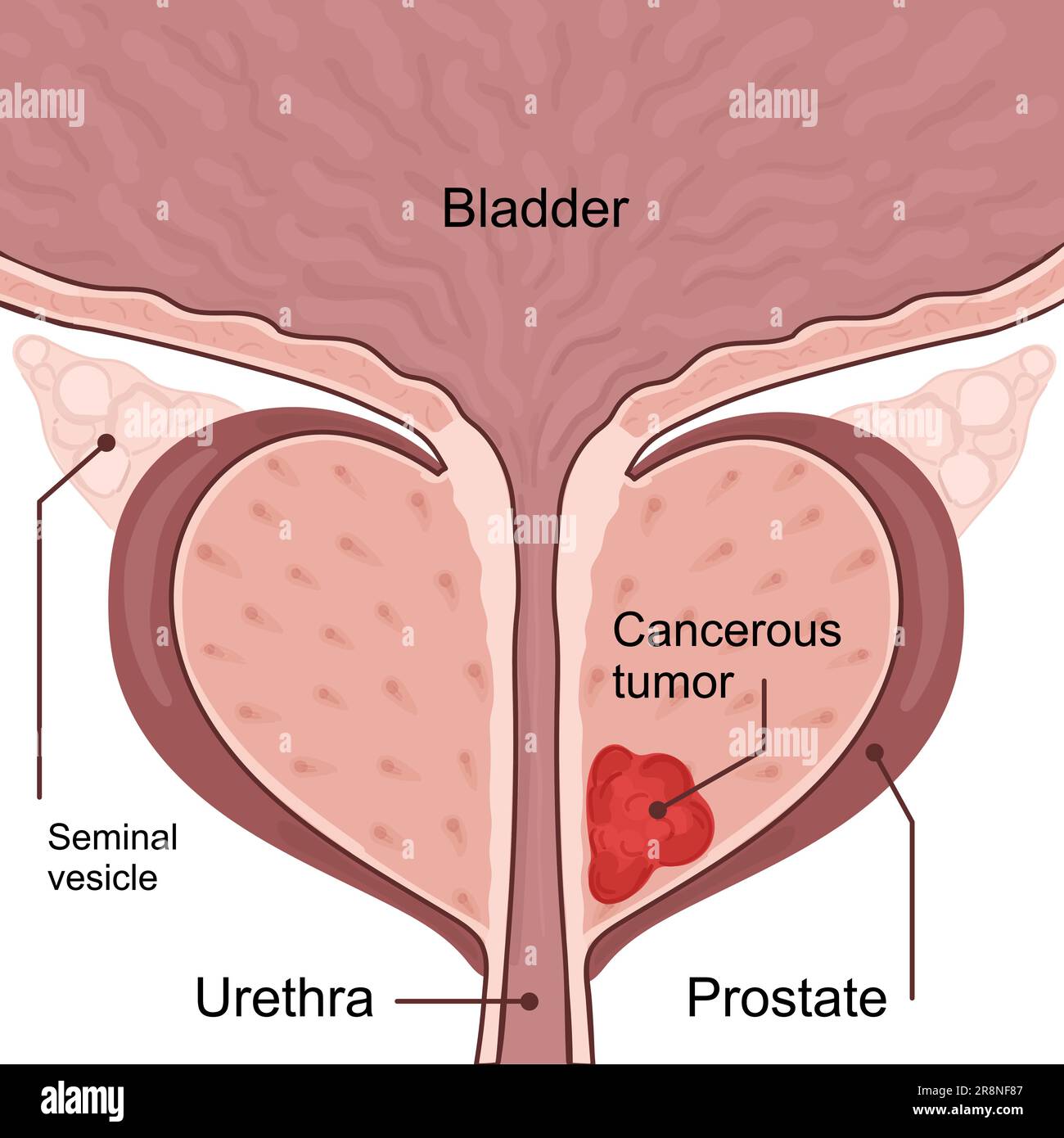
The transition from a cardiac emergency to a cancer diagnosis highlights the complex nature of aging and the necessity of proactive health oversight. By sharing his experience, Clarkson has inadvertently contributed to a broader public conversation regarding men’s health, an area often characterized by lower engagement rates in preventative screenings compared to other demographic groups. His openness about the severity of the “aggressive” nature of the cancer serves as a stark reminder of why medical experts advocate for vigilance, even when symptoms appear mild or manageable.
The Importance of Proactive Screening
The medical community consistently stresses that prostate cancer, when identified in its localized stage, has a high rate of successful treatment. According to Cancer Research UK, the survival rate for prostate cancer remains high due to advancements in diagnostics, such as the prostate-specific antigen (PSA) blood test and MRI imaging. While these tools are not perfect, they remain the primary methods for assessing risk and determining the need for further investigation, such as a biopsy.
Patients are generally encouraged to discuss their personal risk profile with a doctor, especially as they enter their 50s and 60s. The process often involves an assessment of family history, which can significantly alter an individual’s susceptibility. Clarkson’s transparency regarding his own medical path provides a high-profile example of how routine consultations can lead to life-saving interventions. For those seeking guidance, official health portals offer standardized pathways for diagnosis, ensuring that patients receive timely access to specialists.
Looking Ahead
Following the successful procedure, Clarkson is expected to continue his recovery. The presenter has maintained a demanding professional schedule, balancing his media commitments with the management of his farm in the Cotswolds. While he has not provided a specific timeline for a return to all public-facing activities, his confirmation of remission suggests a positive outlook for his continued recovery and future projects.
Fans and industry colleagues have expressed support following the news, reflecting the significant cultural footprint the presenter has established over his decades-long career. As he moves forward, the focus remains on his health and the ongoing management of his recovery. Further updates, if any, will likely be shared through his established media channels or official representatives. Readers are encouraged to share their thoughts and well-wishes in the comments section below, and to stay informed by following official health advisories regarding cancer prevention and screening.
Related reading
- TVF Enters Marathi Cinema with Supernatural Comedy Thriller ‘Bayangi: Palaychi Nahi, Talaychi
- Comedian Kim Jung-ryul Reveals Tragic Death of Brother in Military After 36 Years and Fallout with Lee Kyung-kyu
- Pokémon TCG 30th Celebration Reveals Meowth and Alolan Meowth Illustration Rares (newsdirectory3.com)