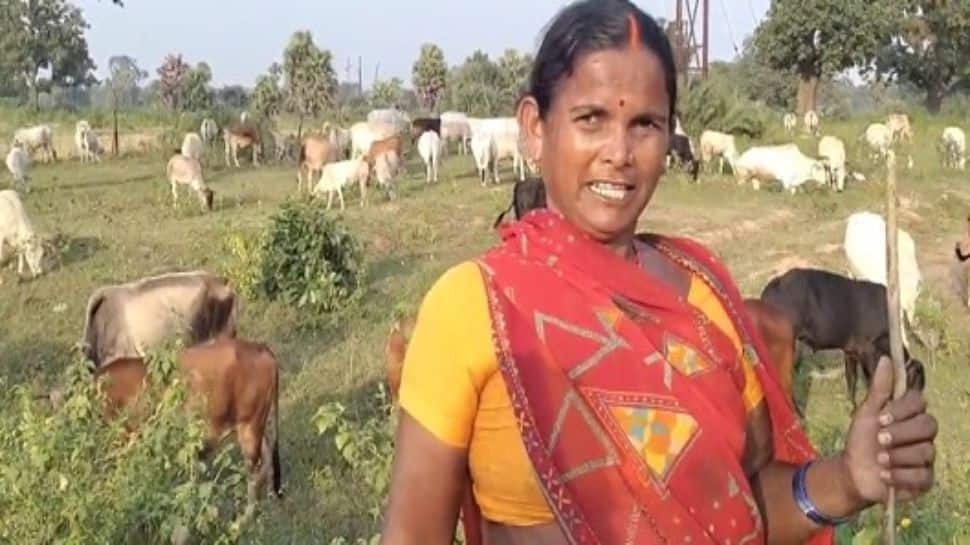
The Enduring Power of Collective Grazing: How Jharkhand Villages Maintain Unity adn Resilience
Have you ever wondered how communities can thrive on cooperation instead of competition? In a world increasingly defined by individualism, a remarkable tradition in the Kodarma district of Jharkhand, India, offers a powerful answer. This isn’t just about cattle; it’s about a deeply ingrained social contract that fosters unity, obligation, and resilience. Let’s explore this interesting practice and what it can teach us about building stronger communities.
A Tradition Rooted in Shared Responsibility
For decades,villages in Kodarma have practiced a unique form of collective cattle grazing. This isn’t a haphazard free-for-all. It’s a meticulously organized system where families rotate responsibility for tending to the entire village herd.
This tradition wasn’t imposed from above. it originated with village elders who recognized the benefits of shared labor and resource management. They understood that by working together, they could save time, reduce individual burdens, and strengthen community bonds.
How Collective Grazing Works: A Step-by-step Look
The system is surprisingly simple, yet remarkably effective:
* Daily Assembly: Each morning, all the village’s cattle are gathered in a designated open field.
* Rotating Responsibility: A pre-determined family takes charge of grazing the entire herd for that day. This rotation ensures fairness and equal participation.
* Focused Productivity: While one family manages the cattle, the others are free to focus on their farms, businesses, and household tasks.
* Accountability & Discipline: A system of fines is in place for families who fail to fulfill their grazing duties. This ensures consistent participation and prevents the system from collapsing.
* Generational Transfer: The tradition is passed down through generations, instilling a sense of pride and continuity.
This self-governed system operates entirely without government intervention, a testament to the community’s commitment and self-reliance.
Why This Tradition matters: Beyond Saving Time
The benefits of collective grazing extend far beyond mere efficiency. It’s a powerful social mechanism that:
* Strengthens Community Bonds: Shared responsibility fosters a sense of belonging and mutual support.
* Promotes Discipline & Accountability: The system relies on everyone fulfilling their obligations, reinforcing a culture of responsibility.
* Reduces Conflict: By eliminating competition for grazing land and resources, the tradition minimizes potential disputes.
* Preserves Rural Culture: It safeguards a valuable aspect of rural life and conventional knowledge.
* Offers a Model for Sustainability: The practice demonstrates a sustainable approach to resource management.
In a world grappling with social fragmentation, this tradition offers a compelling example of how communities can thrive through cooperation.
The Relevance in a Modern World
While seemingly rooted in the past, the principles behind collective grazing are incredibly relevant today.Consider these parallels:
* Community Supported Agriculture (CSA): Similar to rotating grazing duties, CSAs distribute the workload and risk of farming among members. https://www.localharvest.org/csas
* Cooperative Businesses: These businesses are owned and operated by their members, sharing profits and decision-making power. https://www.ncba.coop/
* Shared Resource Management: Concepts like community gardens and tool libraries embody the same spirit of shared access and responsibility.
The Kodarma villages demonstrate that collective action isn’t just a nostalgic ideal; it’s a practical and effective way to build stronger, more resilient communities.
Evergreen Insights: The Power of Social capital
The success of this tradition hinges on a concept sociologists call “social capital” – the networks of relationships among people who live and work in a particular society, enabling that society to function effectively. Strong social capital is built on trust, reciprocity, and shared values.
The collective grazing system actively builds social capital. It requires villagers to trust each other, rely on each other, and work together for a common goal. This, in turn, strengthens the entire community, making it better equipped to face challenges and opportunities. This principle applies far beyond rural India; fostering social capital is crucial for building thriving communities everywhere.
Frequently Asked Questions About Collective Grazing in Jharkhand
Q: What is collective cattle grazing?
A: It’s a traditional practice in Kodarma, Jharkhand, where
Keep reading