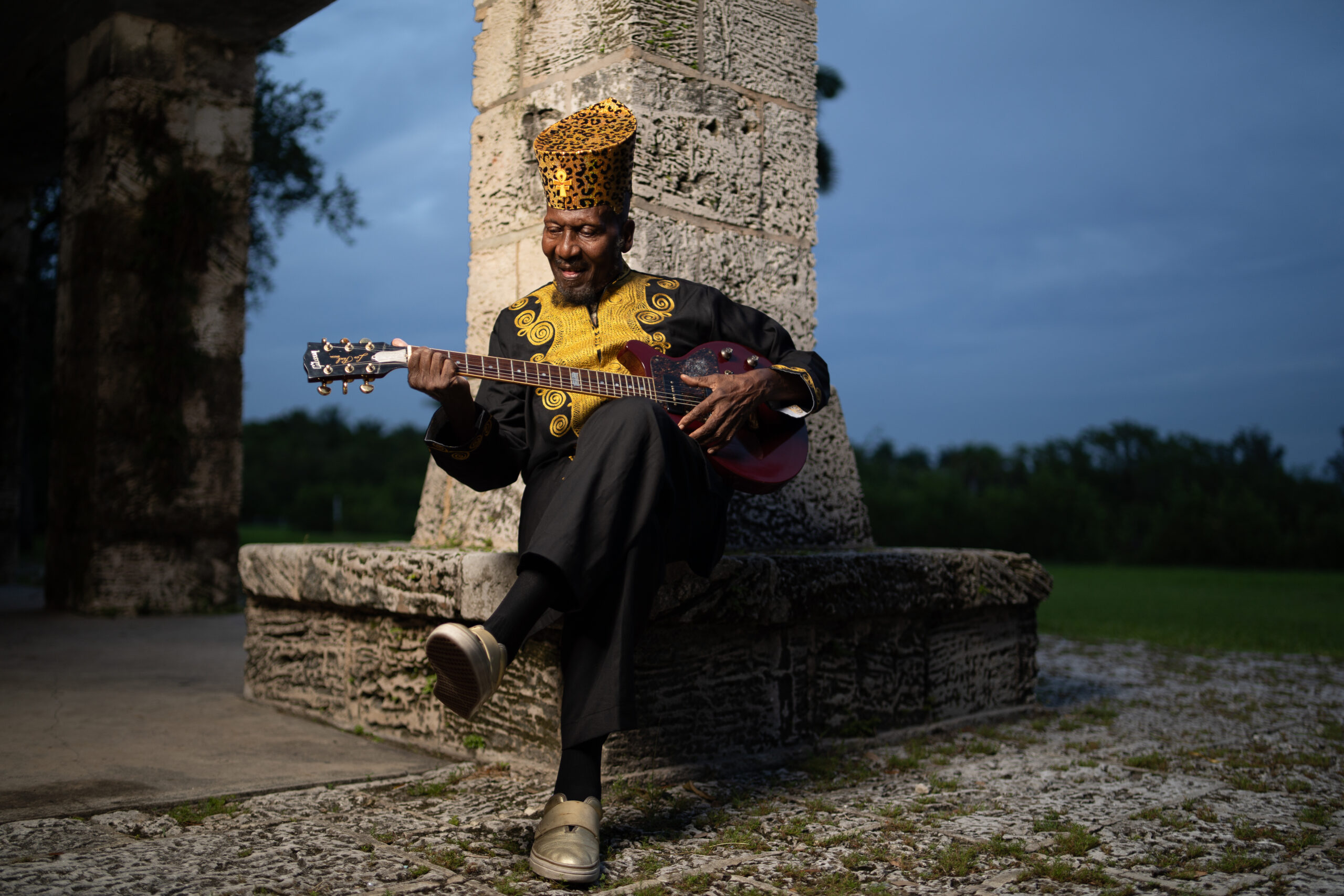
Jimmy Cliff: The Enduring Legacy of Reggae‘s Pioneer
Jimmy Cliff isn’t just a reggae musician; he’s a cultural icon who helped bring the vibrant sounds of Jamaica to the world. His journey, spanning decades, is a testament to resilience, artistic vision, and a steadfast commitment to messages of peace and unity. Let’s explore the life and career of this remarkable artist.
Early beginnings and Musical evolution
Born James Chambers in 1945 in rural Jamaica, Cliff’s musical talent blossomed early. He began writing songs as a child and quickly gained recognition in local competitions.Before achieving international fame, he collaborated with fellow Jamaican artists like Desmond Dekker and Bob Marley.
In 1967, Cliff signed with Island Records, launching his recording career with Hard Road to Travel. This debut album showcased his versatility, including a cover of “A Whiter Shade of Pale,” and hinted at the reggae sound that would define him.
Breaking Barriers with The Harder They Come
Cliff’s career reached a pivotal moment in 1972 with The Harder They Come. He not only starred in the groundbreaking film but also wrote its iconic title song. This film wasn’t just entertainment; it offered a raw, unfiltered glimpse into the realities of life in Kingston, jamaica – a place of both beauty and hardship.
The Harder They Come is frequently enough credited with introducing reggae to a global audience. It’s a gritty gangster film following a young man’s descent into crime, but it’s also a powerful commentary on social injustice and the struggles of aspiring musicians.
The soundtrack itself is a masterpiece, featuring four unforgettable tracks by Cliff:
* ”You Can Get It If You Realy Want”
* “Many rivers To cross”
* “Sitting in Limbo”
* “The Harder They Come”
A Career Defined by Collaboration and Innovation
Following the success of the film, Cliff continued to tour and record extensively for the next four decades. He wasn’t afraid to collaborate, working with legendary artists like the Rolling Stones, Annie Lennox, and Joe Strummer of The Clash.
His versatility extended to acting, with a memorable role in the 1980s comedy Club Paradise alongside Robin Williams. In 2010, Cliff received the ultimate recognition with his induction into the Rock & Roll Hall of Fame.
A Grammy-Winning Renaissance
Cliff’s creative spirit remained undimmed in the 21st century. His 2012 album, Rebirth, produced by Tim Armstrong of Rancid, demonstrated his willingness to embrace new sounds while staying true to his roots.
Notably, Rebirth included a cover of the clash’s “The Guns of Brixton” and achieved a career-high debut on the Billboard 200 chart. The album also earned him a Grammy Award for Best Reggae Album, solidifying his enduring relevance.
A Message of Hope and Optimism
Throughout his life, Cliff has faced racism and discrimination. Yet, he consistently championed messages of peace, love, and unity in his music. When asked about maintaining this positive outlook, he explained that growing up in the ghetto taught him the importance of optimism.
He believes that choosing hope is essential for survival, and that attitude has become deeply ingrained in his character. Cliff’s story is a powerful reminder that even in the face of adversity, it’s possible to choose a path of positivity and inspire others.
Jimmy Cliff’s legacy extends far beyond his musical achievements. He’s a cultural ambassador, a storyteller, and a beacon of hope for generations. His music continues to resonate with audiences worldwide, and his message of unity remains as relevant today as it ever was.
Worth a look