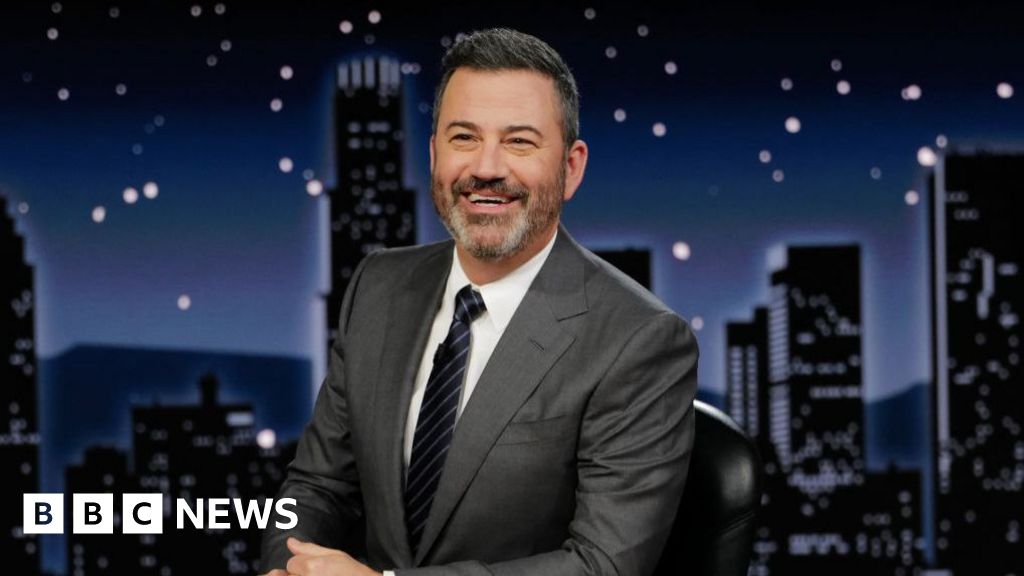
Jimmy Kimmel Briefly off Air Following On-Air Monologue: A Deep dive into Free Speech, FCC Scrutiny, and the Changing Landscape of Late Night
The recent temporary removal of Jimmy kimmel from ABC‘s late-night lineup has ignited a firestorm of debate, touching on issues of free speech, regulatory overreach, and the evolving challenges facing conventional television. This isn’t simply about a comedian’s joke; it’s a complex situation with implications for broadcasters,political discourse,and the future of late-night entertainment.Here’s a extensive look at what happened, why it matters, and what it signals about the current media environment.
The Controversy: Kimmel’s Monologue and the Fallout
The situation stems from a recent monologue where kimmel made comments regarding a political figure.This prompted immediate backlash,most notably from FCC Commissioner Brendan Carr,a Trump appointee. Carr publicly criticized Kimmel, labeling his conduct as “sickest possible” and calling on Disney, ABC’s parent company, to take action.
Carr’s statements centered on the idea that broadcasters, as licensees of the public airwaves, have a responsibility to operate in the public interest.He suggested an apology from Kimmel would be a “reasonable, minimal step.” This intervention immediately raised concerns about potential censorship and political pressure on a network.
A Divided FCC and Concerns Over Censorship
Carr’s remarks weren’t universally supported within the FCC. Democratic member Anna Gomez swiftly criticized Carr, arguing that a single “inexcusable act of political violence” shouldn’t be used to justify broader censorship or control. Her statement underscored the essential principle of free speech and the dangers of using isolated incidents to curtail it.
The Writers Guild of america (WGA) and SAG-Aftra, Hollywood’s major labor unions, also weighed in, condemning the decision to temporarily remove Kimmel as a violation of constitutional free speech rights. They framed the situation as a threat to fundamental freedoms, highlighting the importance of protecting comedic expression, even when it’s controversial.
What Actually happened to Kimmel?
Despite initial reports suggesting a firing, sources familiar with the situation clarified that Kimmel was not terminated. Instead, ABC intends to discuss with Kimmel what he should say upon his return to air. This suggests a desire to manage the fallout and potentially avoid further controversy.
This nuance is crucial. It’s not a case of outright censorship, but rather a network navigating a sensitive situation under intense scrutiny.
The Broader context: Late Night in a Streaming Era
Kimmel’s brief absence also occurs against a backdrop of meaningful disruption in the late-night television landscape. Viewership is steadily migrating to streaming platforms, challenging the traditional network model.
* CBS’s “The Late Show with Stephen Colbert” is ending next year after 11 seasons,though CBS maintains the decision isn’t performance-related.
* Colbert himself publicly criticized the network, alleging financial leaks and linking the decision to a ample settlement with Donald Trump related to a past interview.
Thes developments highlight the economic pressures facing late-night programs and the increasing vulnerability of traditional media to external influences.
The Trump Lawsuit Factor: A Pattern of Settlements
The situation with Kimmel echoes a concerning pattern of settlements between Disney/ABC and Donald Trump.
* ABC paid $15 million to Trump to settle a defamation lawsuit stemming from comments made by George Stephanopoulos regarding a civil case finding Trump liable for “sexual abuse” (distinct from rape, as defined under New York law).
* CBS paid $16 million to Trump following a lawsuit over a 60 Minutes interview with Kamala Harris.
These settlements raise questions about the influence of legal threats and financial considerations on journalistic independence and the willingness of networks to cover controversial figures.
Key Takeaways and What This Means for You
This situation is a complex interplay of free speech, regulatory pressure, and the evolving media landscape. Here’s what you should understand:
* Free speech isn’t absolute. While protected, it’s subject to limitations, and broadcasters operate under specific regulations.
* The FCC’s role is evolving. The debate highlights the tension between the FCC’s regulatory authority and the principles of free expression.
* Late night is changing. The shift to streaming
Worth a look