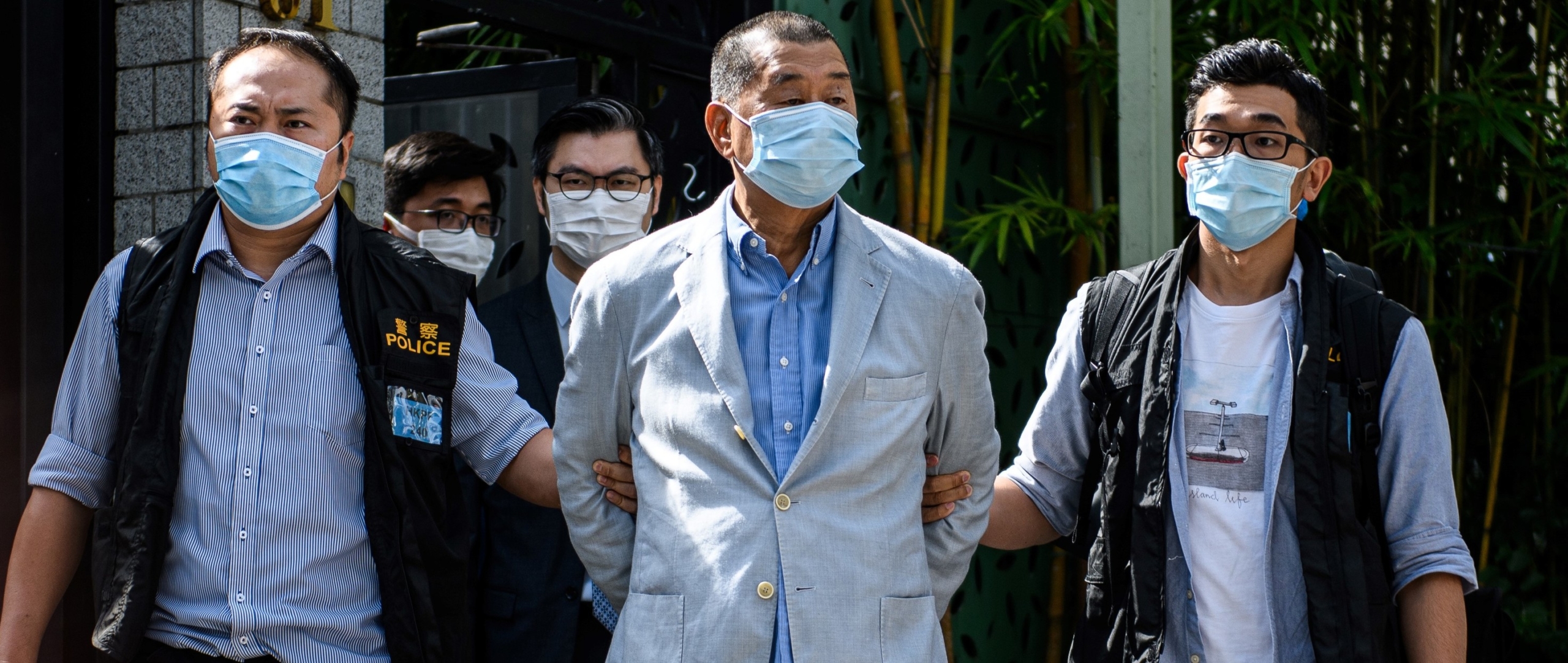
Landmark Verdict in Jimmy Lai Case Signals Deepening Crackdown on Hong Kong Freedoms
The recent conviction of pro-democracy media mogul Jimmy Lai under Hong Kong’s National Security Law (NSL) marks a chilling escalation in the erosion of freedoms within the city. This isn’t simply a case about one individual; it’s a stark warning about the risks of doing business in Hong Kong and a clear signal of Beijing’s tightening grip.Lai now faces a potential life sentence, highlighting the severity of the charges and the implications for dissent.
This analysis will delve into the details of the verdict, the context surrounding the charges, and the broader ramifications for Hong Kong’s future, drawing on available evidence and expert observations.
The Verdict & Charges: A Breakdown
Hong Kong’s High Court found Lai guilty on december 13, 2023, of two counts of conspiracy to commit collusion with foreign forces and one count of conspiracy to commit sedition.These charges stem from actions taken following the imposition of the NSL on June 30, 2020.
Specifically, the prosecution cited:
* Publication of Articles: Content in Apple Daily, Lai’s newspaper, calling for international sanctions against Hong Kong.
* Meetings with Foreign Officials: Interactions with US politicians and interviews with overseas media outlets.
* Social Media Activity: Lai’s Twitter (now X) posts and his network of followers, including prominent figures supportive of the pro-democracy movement.
Lai has been continuously detained since December 31, 2020, and was previously denied bail based on the exceptional circumstances afforded to NSL cases. Adding to the concerns, his British lawyer, Timothy Owen, was barred from representing him – a move widely criticized as undermining due process.
The National Security Law: A Tool for Suppression
The NSL, imposed by Beijing, has fundamentally altered the legal landscape in Hong Kong. Originally presented as a measure to restore stability after the 2019 protests, it has been increasingly used to silence dissent and suppress freedom of expression.
Key concerns surrounding the NSL include:
* Broadly Defined Crimes: the law’s vague definitions of “collusion with foreign forces” and ”sedition” allow for arbitrary application.
* Erosion of Due process: the denial of bail and restrictions on legal representation raise serious questions about fair trial standards.
* Chilling Effect on Journalism: The targeting of Apple Daily and its closure demonstrate a clear intent to stifle self-reliant media.
The Targeting of Apple Daily: A Case Study in Press Freedom Suppression
Founded in 1995, Apple Daily was a vocal advocate for democracy and a critical voice against Beijing’s growing influence. It quickly became a target after the NSL’s implementation.
The sequence of events was alarming:
* August 2020: Police raided Apple Daily’s headquarters – the first time the NSL was used against a media outlet.
* June 2021: Another raid led to the freezing of assets and the eventual closure of the newspaper.
* International Condemnation: Amnesty international labeled the actions a “brazen attack on press freedom.”
The demise of Apple daily serves as a cautionary tale for othre media organizations operating in Hong Kong, creating a climate of self-censorship and fear.
Jimmy Lai: A Prisoner of Conscience
Amnesty International has designated Jimmy Lai a “prisoner of conscience,” recognizing that he is imprisoned solely for peacefully exercising his right to freedom of expression. This designation underscores the political nature of the charges and the injustice of his detention.
Prior to this latest conviction, Lai had already accumulated over seven years in prison across four separate cases involving “unauthorized assemblies” and fraud.This cumulative sentencing highlights a pattern of targeting and persecution.
Implications for Hong Kong and International Business
The Lai verdict has far-reaching consequences:
* Further Erosion of autonomy: It demonstrates the diminishing space for dissent and the increasing control of Beijing over Hong Kong’s affairs.
* Risk for Businesses: The case sends a clear message to international businesses operating in Hong Kong: pursuing opportunities carries significant legal risks. The arbitrary application of the NSL creates an unpredictable and potentially hostile surroundings.
* Damage to Hong Kong’s Reputation: The crackdown on freedoms undermines Hong Kong’s status as an international financial center and a hub for free
Related reading