
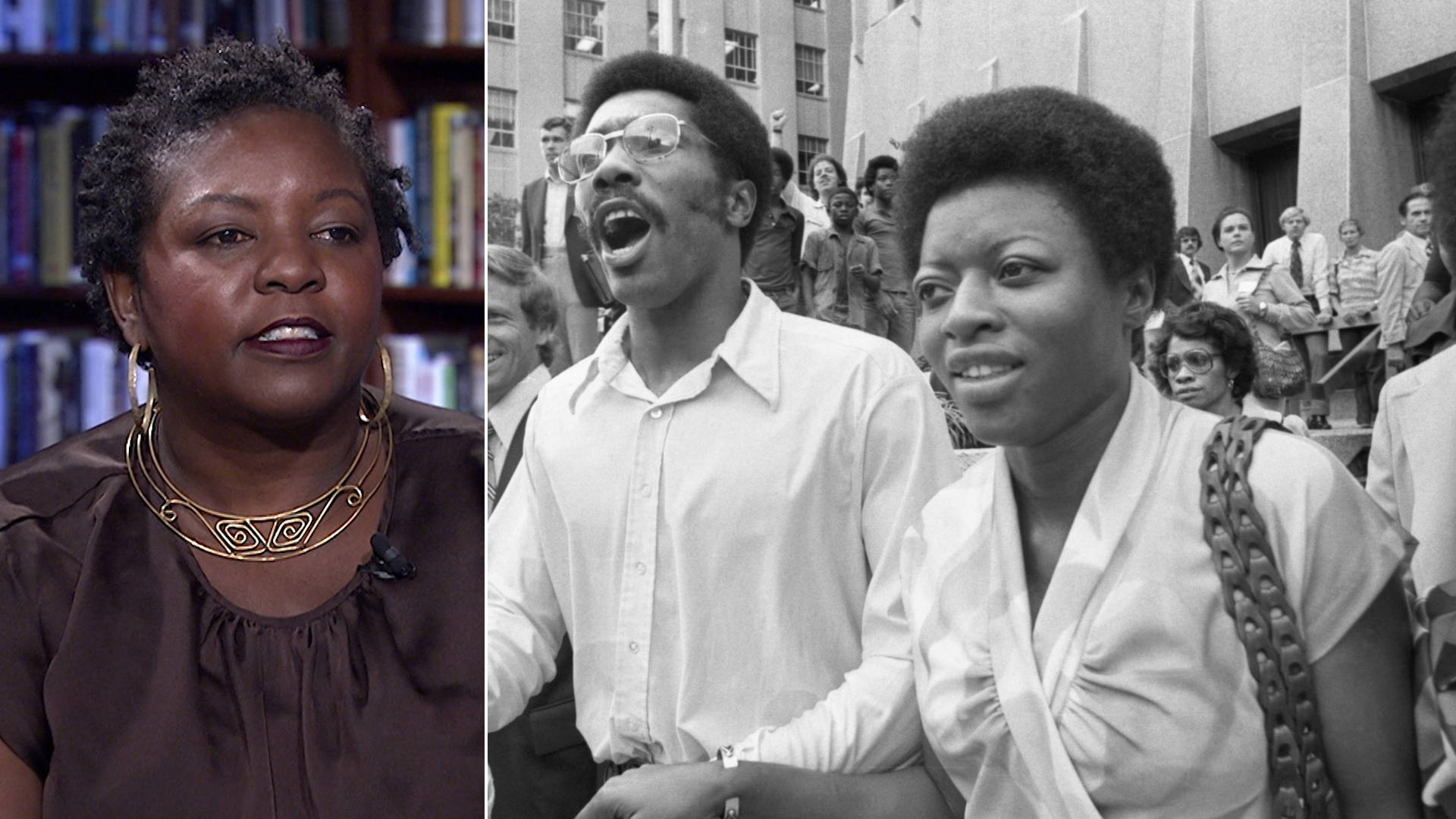
The Radical Act of Self-Defense: Re-Examining the Joan little Case and its Enduring Legacy
The 1975 trial of Joan Little, a black woman accused of murdering a white jailer, remains a pivotal moment in American legal history. It wasn’t simply a case of alleged murder; it was a collision of race, gender, and the systemic abuse prevalent within the criminal justice system. Recently brought back into the spotlight with Yoruba Richen’s compelling documentary, Free Joan Little, the story demands a renewed examination, especially considering ongoing conversations about sexual violence, self-defense, and the vulnerability of incarcerated individuals.
This article delves into the complexities of the case, exploring its historical context, the brave decision Little made to testify, and the lasting lessons it holds for today’s fight for justice.
A Climate of Criminalization and disbelief
Understanding the Joan Little case requires acknowledging the deeply ingrained societal biases of the 1970s. at the time, accusations of sexual assault by Black women where routinely dismissed, often actively criminalizing the accuser. As Richen points out, women alleging sexual violence faced a barrage of victim-blaming, portrayed in headlines as either “whores” or “murderesses.”
This meant that when Little claimed self-defense against a jailer who had sexually assaulted her, she was entering a legal arena stacked against her. The prevailing narrative often suggested that a woman “brought it on herself” or was “seductive,” effectively erasing her agency and culpability from the perpetrator.
The Courage to Speak: little’s Testimony
Faced with a first-degree murder charge and a opposed public, Joan Little made a profoundly radical decision: she testified in her own defense. This was uncommon, especially for defendants – and especially for women alleging sexual assault.
Her testimony wasn’t just a recounting of events; it was a direct challenge to the prevailing narrative. It was a declaration of her humanity and a demand to be seen as a survivor, not a criminal. The impact was immediate and powerful. The all-mixed-race jury was reportedly moved to tears, and after just a few hours of deliberation, they acquitted her.
Beyond the Verdict: Serving Time and a Lifetime of Silence
While the acquittal was a monumental victory, Little’s ordeal wasn’t over. She still had to serve the remainder of her sentence for the initial charges that led to her incarceration. Following her release, she deliberately chose to remain silent about the case for over three decades.
This silence,as Karen Bethea-Shields explains,was a protective measure. Little understandably wanted to avoid re-traumatization by revisiting the worst moment of her life. However,her story continues to resonate,serving as a potent symbol of resistance and resilience.
The Perilous Escape and the Fear for Her Life
The circumstances surrounding Little’s escape after the killing are particularly revealing. She fled, fearing for her life, and when authorities apprehended her, they initially claimed the jailer died in the line of duty.
However, the revelation that the jailer was found naked from the waist down, wearing only socks, dramatically shifted the narrative. This detail strongly supported Little’s claim of sexual assault.
Furthermore, the legal team, including William kunstler, recognized the intense animosity towards Little and the potential for a “death bounty” on her head. Consequently,they bypassed the local jail and brought her to the State Bureau of Investigation for her safety. This highlights the very real danger she faced and the lengths her advocates went to protect her.
Lessons for Today: Collective Action and Systemic Abuse
The Joan Little case offers several crucial lessons for our current moment.
* The Power of Collective Action: Little’s victory wasn’t solely her own.It was the result of a broad coalition of activists, lawyers, and community members who rallied around her case and fought for justice.This underscores the importance of solidarity and collective action in challenging systemic oppression.
* The Enduring Problem of Prison Abuse: The case shines a light on the pervasive issue of violence and abuse within jails and prisons.This remains a critical concern today, demanding ongoing reform and accountability.
* Believing Survivors: Perhaps most importantly, the Joan Little case reminds us of the vital need to beleive survivors of sexual assault. Creating a





